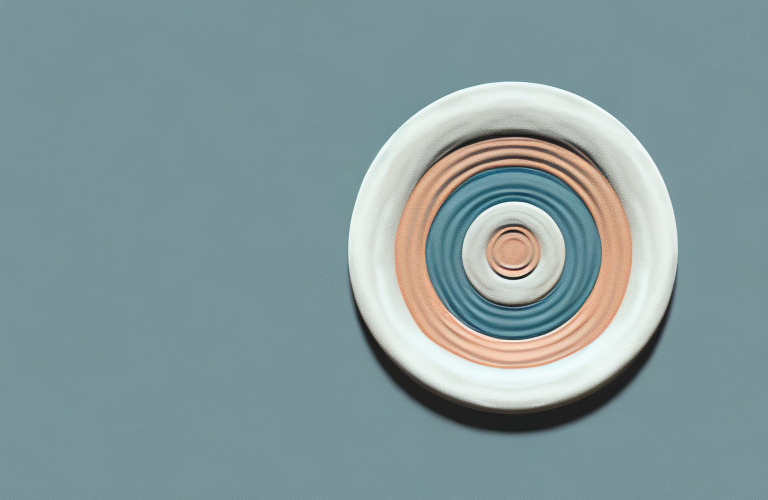
Bone dry clay, also known as unfired clay or greenware, is a type of ceramic material that has not yet undergone the firing process. It is clay in its most fragile state, and it requires special handling and care to prevent it from cracking or breaking. Bone dry clay is commonly used for pottery and sculpting and it provides several benefits, such as allowing for more intricate details and a wider range of application techniques.
How Is Bone Dry Clay Made? The Process Explained
Bone dry clay is made from the same materials used to make traditional clay – a mixture of clay minerals, sand, and water. The difference lies in the drying process. After the clay is initially formed, it is allowed to dry completely without any external heat source, in a process known as air-drying. During this time, the clay loses all of its moisture, making it extremely brittle and fragile.
This is why bone dry clay must be handled with care to prevent breakage. Once the clay has completely dried, it can be smoothed or sanded to remove any excess material before it is fired in a kiln or oven to achieve its final hardness and durability.
One advantage of using bone dry clay is that it is less likely to crack or warp during the firing process compared to wet clay. This is because bone dry clay has already gone through the shrinking process during air-drying, reducing the risk of deformation during firing.
Another benefit of using bone dry clay is that it allows for intricate details and designs to be added to the clay before firing. Since bone dry clay is extremely hard and brittle, it can be carved or etched with precision, creating unique and intricate patterns that would be difficult to achieve with wet clay.
The Properties of Bone Dry Clay: Understanding Its Characteristics
As mentioned earlier, bone dry clay is extremely fragile and brittle. It is also porous, which means that it will absorb water easily if it comes into contact with it. This can cause the clay to soften or even dissolve if it is not properly sealed or fired. However, these properties also allow for a greater range of creative expression and artistic techniques.
Bone dry clay is easier to carve and sculpt than other types of clay, because it is less pliable and more resistant to deformation. It is also more susceptible to cracking and shrinking, which is why it requires careful handling and storage to prevent damage. However, the benefit of bone dry clay is that it can be used for more intricate details and designs that might otherwise be impossible to achieve with wet or moist clay.
Another advantage of bone dry clay is that it can be used for creating larger and more complex sculptures. This is because the clay can be built up in layers, allowing the artist to add more detail and texture to the piece. Additionally, bone dry clay can be sanded and polished to create a smooth and refined finish, which is ideal for certain types of sculptures.
It is important to note that bone dry clay should be handled with care, as it can easily break or crack if dropped or mishandled. It is also important to store bone dry clay in a cool, dry place to prevent it from absorbing moisture and becoming soft or moldy. With proper care and attention, bone dry clay can be a versatile and rewarding medium for artists of all skill levels.
Benefits of Using Bone Dry Clay for Pottery and Sculpting
One of the primary benefits of bone dry clay is that it allows for a greater range of artistic expression and experimentation. It can be molded, carved, and shaped into a variety of forms, textures, and intricate designs that are difficult or impossible to achieve with other types of clay. This makes it a favorite among artists and designers who value its versatility and unique aesthetic properties.
Additionally, bone dry clay can be used to create objects that are not suited for traditional firing methods, such as delicate ornaments or small figurines that might crack or shrink during the firing process. This makes it a popular choice for hobbyists or those who want to experiment with different techniques and materials.
Another advantage of bone dry clay is that it has a longer shelf life than other types of clay. Since it is already dry, it can be stored for extended periods without the risk of it becoming moldy or losing its shape. This makes it a convenient option for artists who may not have the time or resources to work on a project continuously.
Different Types of Bone Dry Clay: Comparing Their Features and Uses
There are several different types of bone dry clay, each with its own unique features and applications. Some common types of bone dry clay include earthenware clay, stoneware clay, and porcelain clay.
Earthenware clay is the most common type of clay and is suitable for making decorative objects or pottery. Stoneware clay, on the other hand, is a more durable and versatile clay that is suitable for both functional and decorative pieces. Finally, porcelain clay is the most refined type of clay and is often used for making fine china or decorative pieces that require a high level of precision and detail.
In addition to these three common types of bone dry clay, there are also other types of clay that are less commonly used but still have their own unique properties. For example, terra cotta clay is a type of earthenware clay that is known for its reddish-brown color and is often used for making flower pots and other garden decorations. Another type of clay, called ball clay, is a fine-grained clay that is often used for making porcelain and other fine ceramics.
When choosing a type of bone dry clay to use for your project, it is important to consider the specific properties of each type and how they will affect the final product. Factors such as color, texture, and durability should all be taken into account when selecting a type of clay. Additionally, it is important to consider the firing temperature and other requirements for each type of clay, as these can vary depending on the specific type and can affect the final outcome of your project.
How to Store and Preserve Bone Dry Clay for Maximum Shelf Life
Because bone dry clay is extremely fragile, it must be stored and handled carefully to prevent breakage or cracking. One of the most important things to remember when storing bone dry clay is that it must be kept in a cool, dry place to prevent absorption of moisture. Additionally, it should be stored in an airtight container or wrapped in plastic to prevent dust or debris from settling on the surface of the clay.
If you need to transport bone dry clay, be sure to wrap it securely in bubble wrap or another protective material to prevent it from jostling or cracking during transport. Finally, when working with bone dry clay, it’s important to keep the clay moist to prevent it from drying out too quickly. Use a spray bottle filled with water to spritz the clay occasionally to keep it pliable and workable.
Common Mistakes to Avoid When Using Bone Dry Clay for Your Projects
One of the most common mistakes people make when working with bone dry clay is over-handling or overworking the clay. Because it is more fragile than other types of clay, it can easily crack or break if it is manipulated too much. Additionally, allowing the clay to dry out too quickly can cause it to crack or shrink, so be sure to keep the clay moist and work quickly to prevent this from happening.
Another common mistake people make is applying too much pressure when carving or shaping the clay. Because bone dry clay is more brittle than other types of clay, it is more susceptible to cracking or breaking under pressure. Use gentle, light strokes when working with bone dry clay to prevent damage or breakage.
Tips and Techniques for Working with Bone Dry Clay: A Comprehensive Guide
There are several tips and techniques that can be used to make working with bone dry clay easier and more successful. One common technique is to use a serrated knife or cheese grater to remove excess material and smooth the surface of the clay. Another technique is to use a damp sponge or cloth to keep the clay moist and pliable as you work.
When working with bone dry clay, it’s important to remember to pace yourself and work in small, incremental steps to prevent overworking or damaging the clay. Additionally, taking breaks to allow the clay to dry slightly can help prevent shrinkage or cracking later on.
Troubleshooting Common Problems When Using Bone Dry Clay
Some common problems that people encounter when working with bone dry clay include cracking, warping, and uneven drying. To prevent these issues, it’s important to keep the clay moist and work in a cool, dry environment to prevent rapid drying or heating. Additionally, checking for small cracks or imperfections before firing can help prevent major issues later on.
If you encounter any problems when working with bone dry clay, it’s important to take a step back and assess the situation carefully. Make adjustments as needed to prevent further damage or breakage, and be sure to take your time and work carefully to prevent future issues.
How to Achieve the Best Results with Your Bone Dry Clay Creations
Achieving great results with bone dry clay takes patience, practice, and attention to detail. To create the best possible outcomes, it’s important to work in a clean, organized space and to use high-quality tools and materials. Additionally, pacing yourself and taking breaks to allow the clay to dry slightly can help prevent shrinkage or cracking later on.
Finally, be sure to use techniques and methods that are best suited for the particular type of bone dry clay you are using, as different types of clay require different approaches and handling techniques.
The Future of Bone Dry Clay: Innovations and Advancements in the Field
As with many other fields, the world of bone dry clay is constantly evolving and innovating. New techniques, materials, and applications are being developed all the time, and artists and designers are pushing the boundaries of what is possible with this unique and versatile medium. Whether you are a hobbyist or a professional artist, bone dry clay offers endless possibilities for creative expression and experimentation.
As the technology and techniques continue to evolve, we can be sure that bone dry clay will continue to play an important role in the world of pottery, sculpture, and design for many years to come. Its unique properties and artistic potential make it a favorite among artists and designers of all skill levels, and it is sure to remain a beloved and valued medium for generations to come.