

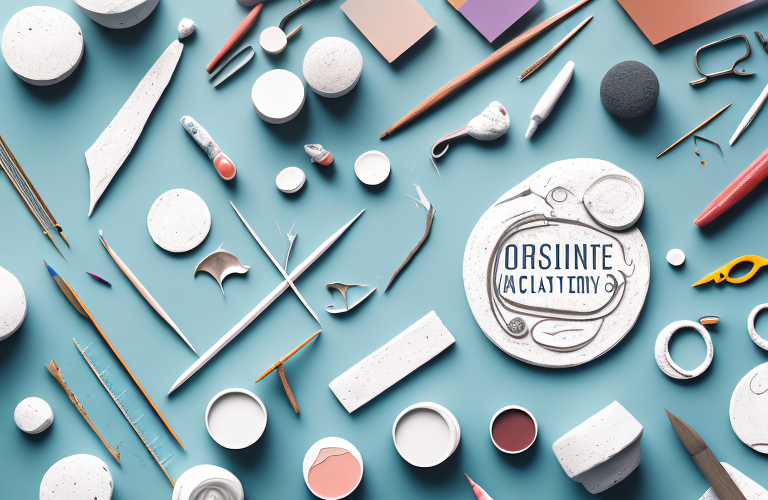
Porcelain clay is a type of clay that is known for its white and translucent appearance. It is a type of ceramic material that has been used for centuries to create beautiful and intricate works of art. If you are new to crafting with porcelain clay, there are a few things you need to know to get started. In this article, we will guide you through the basics of working with porcelain clay, including the history of porcelain clay, the types of porcelain clay available, and the tools and materials you will need. We’ll also cover techniques for shaping and modeling porcelain clay, tips for firing and finishing your creations, and safety precautions you should take when working with this material.
What is Porcelain Clay?
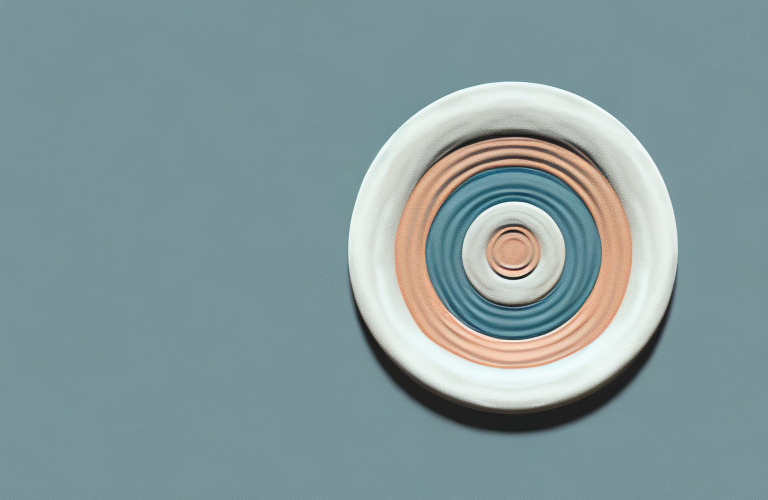
Porcelain clay is a type of clay that is made from a combination of kaolin, feldspar, and quartz. It is known for its whiteness, translucency, and ability to withstand high temperatures. Porcelain clay is often used to make fine china and other decorative objects because of its elegant appearance.
Porcelain clay is also used in dentistry to make dental crowns, bridges, and veneers. Its strength and durability make it an ideal material for dental restorations. Additionally, porcelain clay is used in the manufacturing of electrical insulators due to its high resistance to heat and electricity. It is also used in the production of laboratory equipment, such as crucibles and evaporating dishes, because of its ability to withstand high temperatures and chemical reactions.
The History of Porcelain Clay
Porcelain clay has been used for centuries to create works of art and decorative objects. It is believed to have originated in China during the Tang dynasty (618-907 AD), where it was used to make vases, bowls, and other objects. Porcelain clay was highly prized for its beauty and durability, and became popular in Europe during the 16th century.
During the Ming dynasty (1368-1644 AD), porcelain production in China reached its peak. The famous blue and white porcelain, which is still highly sought after today, was first created during this time. The Ming dynasty also saw the development of new techniques, such as underglaze painting and the use of cobalt blue pigment.
Porcelain clay continues to be used today in a variety of ways, from creating fine china and pottery to being used in dental implants and other medical applications. With its versatility and durability, porcelain clay remains a popular material for artists and craftsmen around the world.
Types of Porcelain Clay for Crafting
There are several types of porcelain clay available for crafting. Some are designed specifically for hand building, while others are formulated for use on a potter’s wheel. The type of porcelain clay you choose will depend on the project you are working on and your personal preference.
One popular type of porcelain clay for hand building is paper clay. This type of clay contains cellulose fiber, which makes it lightweight and easy to manipulate. It also has a longer working time than other types of clay, allowing for more intricate designs.
If you are using a potter’s wheel, you may want to consider using porcelain clay with a higher feldspar content. This type of clay is more plastic and easier to throw on the wheel. It also has a lower shrinkage rate, which means your finished piece will be closer to the size you intended.
Tools and Materials Needed for Working with Porcelain Clay
To work with porcelain clay, you will need a few basic tools and materials. These may include a pottery wheel, clay modeling tools, a kiln, glazes, and other materials depending on your project. It is important to use high-quality tools and materials to ensure the best results.
When selecting your porcelain clay, it is important to consider the firing temperature and the intended use of your finished piece. Porcelain clay can be fired at high temperatures, which makes it ideal for creating durable and functional objects such as dishes and vases. However, if you are creating decorative pieces that will not be used for food or drink, you may be able to use a lower firing temperature and a less durable clay.
Preparing Porcelain Clay for Crafting
Before you begin working with porcelain clay, it is important to prepare it properly. This may involve wedging the clay to remove any air bubbles, adding water to make it soft and pliable, or using a slab roller to create a flat shape.
Another important step in preparing porcelain clay is to ensure that it is free of impurities. This can be achieved by sieving the clay through a fine mesh screen to remove any debris or foreign objects. It is also important to store the clay in an airtight container to prevent it from drying out or becoming contaminated.
Once the clay is properly prepared, you can begin to shape it into your desired form. This can be done using a variety of techniques, such as hand-building, throwing on a pottery wheel, or using molds. It is important to work slowly and carefully, as porcelain clay can be delicate and prone to cracking or breaking if handled too roughly.
Techniques for Shaping and Modeling Porcelain Clay
There are many techniques you can use to shape and model porcelain clay. These may include hand building, throwing on a pottery wheel, or using molds and templates. It is important to practice your techniques and experiment with different methods to find the ones that work best for you.
One popular technique for shaping porcelain clay is called slip casting. This involves pouring liquid clay, or slip, into a plaster mold. The plaster absorbs the water from the slip, leaving a layer of solid clay on the inside of the mold. Once the clay has set, the mold can be removed and the piece can be finished with trimming and glazing. Slip casting is often used for creating intricate or delicate shapes that would be difficult to achieve with other techniques.
Tips for Firing and Finishing Your Porcelain Clay Creations
After you have shaped and modeled your porcelain clay, it is time to fire and finish your creation. Firing can be done in a kiln or with a torch, depending on the size and shape of your project. Once the clay has been fired, you can apply glazes or other finishes to achieve the desired look and feel.
It is important to note that firing temperatures and times can vary depending on the type of porcelain clay you are using. It is recommended to follow the manufacturer’s instructions or consult with a pottery expert to ensure proper firing. Additionally, when applying glazes or finishes, it is important to use a brush or spray in a well-ventilated area to avoid inhaling any harmful fumes. Always wear protective gear, such as gloves and a mask, when handling and working with porcelain clay and related materials.
Troubleshooting Common Issues When Working with Porcelain Clay
Working with porcelain clay can be challenging at times, and you may encounter some common issues such as cracking, warping, or uneven firing. It is important to identify the cause of the problem and take steps to prevent it from happening again.
One common issue when working with porcelain clay is that it can be difficult to work with due to its fine particle size. This can make it challenging to shape and mold, and can also lead to cracking or warping during the drying or firing process. To prevent this, it is important to work slowly and carefully, and to keep the clay moist throughout the process.
Another issue that can arise when working with porcelain clay is that it can be prone to discoloration or staining. This can be caused by a variety of factors, including impurities in the clay or improper firing techniques. To prevent this, it is important to use high-quality porcelain clay and to follow proper firing procedures, including using the correct temperature and duration for firing.
Ideas and Inspiration for Crafting with Porcelain Clay
There are countless ways to use porcelain clay in your crafting projects. Whether you want to make dishware, sculptures, or jewelry, there are endless possibilities. Look for inspiration in nature, art, and everyday objects to find new ways to incorporate porcelain clay into your work.
One unique way to use porcelain clay is to create intricate lace-like designs. By rolling out thin sheets of clay and cutting out delicate patterns, you can create beautiful and delicate pieces that can be used as decorative accents or even jewelry. Another idea is to experiment with different glazes and firing techniques to create unique textures and finishes on your porcelain pieces. Don’t be afraid to try new things and push the boundaries of what you can create with this versatile material.
Safety Precautions When Working with Porcelain Clay
Working with porcelain clay can be messy and involve some hazards, so it is important to take safety precautions. This may include wearing gloves and a respirator, working in a well-ventilated area, and following proper procedures for handling and storing the clay.
It is also important to be aware of the potential health risks associated with working with porcelain clay. The dust from the clay can cause respiratory problems if inhaled, and prolonged exposure can lead to lung disease. It is recommended to use a wet method when working with the clay to minimize dust, and to clean up any spills or debris promptly. Additionally, it is important to wash your hands thoroughly after handling the clay to avoid ingestion or absorption through the skin.
How to Store Your Porcelain Clay and Finished Creations
Porcelain clay and finished creations should be properly stored to maintain their quality and durability. Clay should be kept in an airtight container to prevent it from drying out, while finished creations should be wrapped in protective materials to prevent damage.
As you can see, working with porcelain clay offers endless possibilities for creativity and self-expression. By following these tips and techniques, you can create beautiful and unique works of art that will be cherished for generations to come.
It is important to note that porcelain clay should be stored in a cool and dry place, away from direct sunlight. Exposure to heat and light can cause the clay to dry out and become unusable. Additionally, it is recommended to label your clay containers with the date of purchase or opening, to ensure that you are using fresh clay for your projects.
When storing finished porcelain creations, it is best to use acid-free tissue paper or bubble wrap to protect them from scratches and breakage. If you plan on stacking your creations, make sure to place a layer of protective material between each piece to prevent them from rubbing against each other. It is also important to store your creations in a dry and dust-free environment to maintain their appearance and quality.