
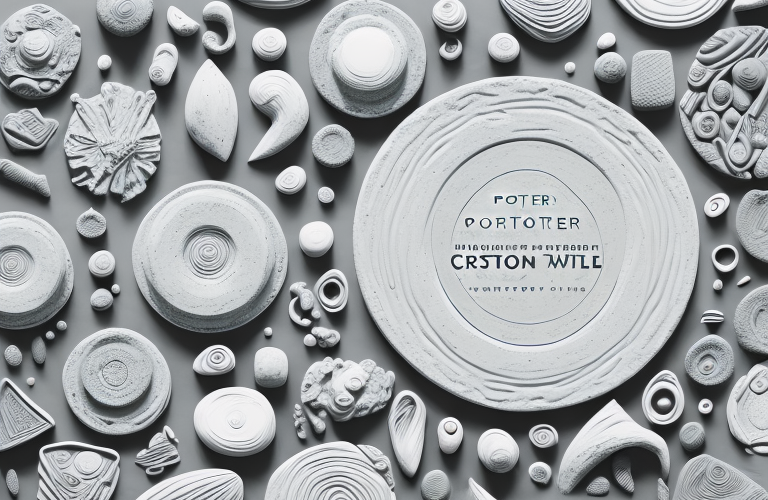
Bisque clay, also known as bisqueware, is a type of clay that has been fired once at a low temperature to remove all the water from it. This process of firing, called “bisque firing,” results in a hard substance that can be painted, glazed, and fired again without losing its shape. Bisque clay offers a lot of benefits to ceramic artists, from its versatility to its long-term durability. In this article, we will explore the many advantages of working with bisque clay.
What is Bisque Clay and How is it Different from Other Types of Clay?
Bisque clay is a type of earthenware clay that has been fired once at a low temperature between 1650 and 1850 degrees Fahrenheit. This initial firing removes all the water from the clay, making it hard and porous. Bisque clay is different from other types of clay like terracotta or stoneware, which require two firings. Terracotta and stoneware are fired at a higher temperature in the first firing, and then again at a lower temperature for glazing. Because bisque clay has already been fired once, it can be glazed and fired at a lower temperature than other types of clay, making it more cost-effective to work with.
Bisque clay is also known for its ability to absorb glazes and colors more easily than other types of clay. This is because the porous nature of bisque clay allows the glaze to seep into the clay, creating a more vibrant and long-lasting finish. Additionally, bisque clay is often used for decorative purposes, as it can be easily painted or decorated with various materials like beads, sequins, or even feathers. Its versatility and cost-effectiveness make it a popular choice for both amateur and professional ceramic artists alike.
The History and Origins of Bisque Clay in Ceramics
The origins of bisque clay can be traced back to ancient civilizations like Greece and Rome, where it was used to make pottery and figurines. In the 18th century, bisqueware became popular in European ceramics, particularly in France where it was used to make delicate porcelain dolls. Today, bisqueware is still used in diverse ceramic art forms, from functional dinnerware to decorative sculptures and figurines.
Bisqueware is a type of unglazed ceramic that is fired at a high temperature to create a hard, durable surface. The firing process removes all the moisture from the clay, making it porous and able to absorb glazes and other decorative finishes. This makes bisqueware an ideal material for artists and potters who want to experiment with different surface treatments and textures.
One of the advantages of bisqueware is that it can be fired multiple times, allowing artists to add layers of glaze or other decorative elements to their work. This makes it a versatile material for creating complex and intricate designs, as well as for experimenting with different firing techniques and temperatures.
The Versatility of Bisque Clay for Different Ceramic Projects
Bisque clay is highly versatile and can be used in various ceramic projects. Because of its porous and absorbent nature, it is ideal for glazing and can hold vibrant colors and intricate designs. Bisque clay can also be used for sculpture, as it is relatively easy to shape and mold when moist. It can be shaped using hand-building techniques such as slab-building, coiling or pinching, and can also be thrown on a pottery wheel. Bisqueware is also often used for tiles, plaques and other decorative elements where its absorbent surface is beneficial.
How to Prepare Bisque Clay for Use in Your Ceramics Projects
Before using bisque clay, it is essential to prepare it correctly. First, you’ll need to get the clay to the desired consistency (wet enough to work with but not too wet). This can be done by adding small amounts of water to the clay body and kneading it until it reaches the desired consistency. After that, the clay needs to be shaped into the desired form, either by hand or on a pottery wheel. Once the clay has been shaped, it needs to be left to dry to a near-leather hard stage, which may take a few days, depending on the humidity and temperature.
Techniques for Shaping and Sculpting Bisque Clay into Beautiful Forms
Bisque clay can be shaped and sculpted in many ways, depending on the artist’s preference and the desired finished product. One of the most popular techniques for shaping bisque clay is coil building. This technique involves rolling the clay into long, skinny coils and layering them on top of each other to create the desired shape. Another popular technique is slab-building, where the clay is rolled into flat, thin sheets and then cut and assembled to create the desired shape. Pinching is another technique that involves using the fingers to shape and mold the clay. And of course, bisqueware can also be thrown on a potter’s wheel to create forms.
The Advantages of Firing Bisque Clay at High Temperatures
Bisqueware is usually fired at a high temperature (1800-2000 degrees Fahrenheit), resulting in a hard and durable product that can withstand years of use. A high firing temperature also ensures that the glaze is sealed and will not crack, chip, or fade over time. The firing process also aggregates the clay particles together, creating a tight structure that enhances the strength of the final product. Firing at high temperatures also makes bisqueware more water-resistant and less susceptible to chipping or breaking.
Tips for Glazing and Decorating Your Bisque Clay Creations
Bisqueware is an excellent canvas for glazes and other decorative finishes. When glazing, it is vital to ensure that the surface of the clay is clean and free of grease, dust, or other debris. This can be achieved by wiping it down with a damp sponge or cloth. The glaze can then be applied using a paintbrush, spray technique or by dipping the bisqueware into the glaze. It’s essential to use high-quality glazes that are compatible with your firing temperature. The layer of glaze should be even, and thick enough to develop an even surface. Decorative finishes can be added to bisque clay creations using paint, decals or other decorative embellishments.
The Durability and Longevity of Bisque Clay in Comparison to Other Clays
Due to its low firing temperature and the fact that it only requires one firing, bisque clay is more durable than other types of clay. Other clays may require two firings, which puts more stress on the final product and makes it more prone to cracking and breaking. With bisqueware, once it is fired, it is incredibly sturdy and can last for a very long time if handled and cared for appropriately. Additionally, its absorbent qualities can provide unique benefits in comparison to other clay types. For instance, products made with bisqueware typically absorb moisture at a lower rate, making them ideal for cooking and serving foods like pizza or bread that require a relatively dry surface on which to bake.
How Working with Bisque Clay Can Benefit Your Mental Health and Well-being
Bisque clay has been shown to have several psychological and emotional benefits for those who work with it. The process of creating something from clay can be therapeutic and calming, helping to reduce stress and anxiety levels. The repetitive motions of shaping and forming the clay can be meditative and even act as a form of mindfulness practice. In addition, working with bisqueware can lead to a sense of satisfaction and accomplishment that can improve self-esteem and confidence levels.
The Cost-effectiveness of Using Bisque Clay in Ceramics Projects
Bisque clay is an economical choice for ceramic artists due to its low firing temperature, which reduces fuel costs. It also requires fewer materials overall because it does not need a glaze, which can be a significant expense when using other types of clays. Its absorbent quality also allows for the use of smaller amounts of glaze so that the glaze can create more intricate details on the bisqueware surface.
The Environmental Benefits of Choosing Bisque Clay over Other Clays
Bisque clay is an eco-friendly choice for ceramic artists because it can be recycled, avoiding increased waste in landfills. Additionally, bisqueware provides insulation and temperature control, which can help reduce energy consumption. Its low energy firing temperature also reduces greenhouse gas emissions and air pollution, making it a more sustainable choice than other types of clay.
Common Mistakes to Avoid When Working with Bisque Clay
While working with bisqueware can be easy and enjoyable, there are some common mistakes that artists should avoid. Overworking the clay can result in it becoming too dried out and not responding as expected. It’s also essential to ensure that the clay is not too wet when starting to work with it, as overly wet clay can lead to cracking and other issues. Other mistakes to avoid include not properly preparing the surface before glazing, applying an uneven layer of glaze, and failing to take care of the pieces after firing.
How to Store and Care for Your Bisque Clay Pieces to Ensure Longevity
To help ensure that bisqueware lasts for a long time, it’s important to store it in a dry, relatively cool place away from direct sunlight. Pieces should be stacked with care to prevent accidental damage. It’s also essential to avoid using abrasive cleaners or placing them in the dishwasher, as these can cause damage to the surface. After use, it’s necessary to clean the bisqueware correctly using a mild soap and water to keep them clean and sanitary.
The Artistic Possibilities of Using Bisque Clay in Collaboration with Other Mediums
Bisque clay can be used in exciting collaborations with other mediums, from glasswork to metalworking. Ceramic artists have used bisqueware as a basis for bronze casting, or as a canvas for the inclusion of fused glass. By combining bisqueware with other materials, the final product can be enriched with depth, texture, light and colour. The artistic possibilities are numerous!
In conclusion, the benefits of working with bisque clay are plentiful. From its versatility to its eco-friendly nature, bisqueware is an excellent choice for ceramic artists. It is easy to work with, durable and long-lasting, and can be used in collaboration with many other artistic media. Whether working on functional dinnerware or decorative sculptures, bisqueware is a reliable and rewarding material that artists can use to produce pieces that will last a lifetime.