
Earthenware and stoneware are two popular materials used for pottery and cookware production. While they have similarities, there are significant differences in their chemical composition, physical properties, costs, and durability. In this article, we will discuss these differences in detail to help you choose the right type of pottery for your home.
What Are Earthenware and Stoneware?
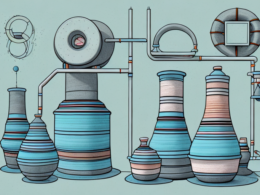
Earthenware and stoneware are two types of pottery made from clay. They are fired at high temperatures to harden and become permanent. Earthenware is a type of clay that is porous and has a lower firing temperature than stoneware. It is commonly used for making pottery that is not intended for use with food, such as decorative artwork or planters. Stoneware, on the other hand, is denser and non-porous, making it a better option for cookware.
Another key difference between earthenware and stoneware is their durability. Earthenware is more fragile and prone to chipping or cracking, while stoneware is known for its strength and resistance to damage. Additionally, stoneware is often glazed, which gives it a smooth, non-stick surface that is ideal for cooking and baking. Earthenware, on the other hand, is typically left unglazed or only partially glazed, which can give it a more rustic or natural appearance.
The History of Earthenware
Earthenware has been used for centuries to make pottery. In ancient times, it was popular due to its affordability and ease of production. It was easy to form and decorate, and it was commonly used for storage containers and decorative items. Today, earthenware is still in use for decorative items and dinnerware, but it is not recommended for cooking or storing food due to its porous nature.
Earthenware is made from clay that is fired at a low temperature, typically between 1,000 and 1,150 degrees Celsius. This firing process gives earthenware its characteristic reddish-brown color and porous texture. The porous nature of earthenware makes it unsuitable for holding liquids or foods that could seep into the clay and contaminate the contents.
Despite its limitations, earthenware remains a popular choice for decorative items and dinnerware due to its unique appearance and affordability. Many artists and designers continue to experiment with earthenware, creating new and innovative designs that showcase the material’s natural beauty and versatility.
The History of Stoneware
Stoneware has a long history, with some of the earliest examples dating back to ancient China. It was used for making household items such as cookware, tableware, and decorative artwork. Today, stoneware is still a popular choice for cookware due to its durability and non-porous surface, making it easy to clean and non-reactive with food.
During the Middle Ages, stoneware became popular in Europe, particularly in Germany, where it was used for making beer steins and other drinking vessels. The durability of stoneware made it ideal for use in taverns and pubs, where it could withstand the wear and tear of daily use.
In the 19th century, stoneware experienced a resurgence in popularity due to the Arts and Crafts movement. Artisans began creating unique and decorative pieces, often incorporating intricate designs and glazes. Today, stoneware continues to be a popular choice for both functional and decorative items, with many artists and craftsmen creating one-of-a-kind pieces that are highly sought after by collectors.
How is Earthenware Made?
Earthenware is made from clay that is refined and molded into the desired shape. It is then fired at a lower temperature than stoneware. The lower temperature makes it less dense and porous, making it unsuitable for use with food. Earthenware is typically glazed after firing to improve its appearance and protect it from moisture.
There are different types of earthenware, including red earthenware, which gets its color from iron oxide in the clay, and terra cotta, which is a type of earthenware that is often left unglazed. Earthenware has been used for centuries to create pottery, tiles, and other decorative objects. In some cultures, earthenware is still used for cooking and serving food, but it must be carefully maintained to prevent it from absorbing moisture and bacteria.
How is Stoneware Made?
Stoneware is made from a specific type of clay that is fired at a high temperature, making it denser and more durable than earthenware. The high temperatures cause the clay to vitrify, which means the particles fuse together and become non-porous. Stoneware is typically unglazed or partially glazed, giving it a natural, earthy appearance.
During the firing process, stoneware can also undergo a process called reduction, where the oxygen supply in the kiln is limited. This causes a chemical reaction that changes the color of the clay and can create unique patterns and textures on the surface of the stoneware. Additionally, stoneware can be decorated with various techniques such as carving, stamping, or painting before or after firing. These decorative elements can add to the beauty and uniqueness of each piece of stoneware.
The Chemical Composition of Earthenware
Earthenware is made from different types of clay, including terracotta, red clay, and white clay. It contains a higher amount of impurities, such as iron and calcium, which give it an earthy appearance. Earthenware also has a higher level of porosity, which makes it unsuitable for use with food.
However, earthenware is still widely used for decorative purposes, such as creating pottery and sculptures. It is also commonly used for flower pots and other outdoor decorations due to its ability to withstand outdoor elements. Earthenware is a popular choice for artists and craftsmen due to its versatility and ability to be molded into various shapes and sizes.
The Chemical Composition of Stoneware
Stoneware is made from a specific type of clay that is rich in kaolin, feldspar, and quartz. These components give it a dense, non-porous structure that is resistant to thermal shock and corrosion. Stoneware is also less susceptible to cracking than earthenware.
In addition to its durability, stoneware is also known for its versatility in terms of glazing and decoration. The clay body of stoneware can be glazed in a variety of colors and finishes, from glossy to matte. It can also be decorated with various techniques such as carving, stamping, and painting. This makes stoneware a popular choice for both functional and decorative pottery.
Physical Properties of Earthenware
Earthenware is a low-fired pottery that is porous and has a rough texture. It is also more brittle than stoneware and is prone to chipping and cracking. Earthenware is not suitable for use in high-temperature cooking methods or storing liquids as it can absorb moisture, leading to cracks and deterioration over time.
However, earthenware is a popular choice for decorative pottery and tableware due to its unique rustic appearance. It is often used for creating decorative items such as vases, bowls, and plates. Earthenware is also commonly used for creating traditional pottery in many cultures around the world, including Mexico, India, and China.
Physical Properties of Stoneware
Stoneware is a high-fired pottery that is denser and non-porous, making it more durable than earthenware. It has a smooth texture and is resistant to scratches, making it suitable for use in the oven, microwave, and dishwasher. Stoneware is also more heat-resistant than earthenware, making it a better option for high-temperature cooking methods.
In addition to its durability and heat-resistance, stoneware is also known for its ability to retain heat. This makes it a great choice for serving dishes that need to stay warm for longer periods of time, such as casseroles or soups. Stoneware also comes in a variety of colors and designs, making it a popular choice for both functional and decorative purposes.
Cost Differences Between Earthenware and Stoneware
Earthenware is generally less expensive than stoneware due to its lower firing temperature and lower-quality clay. Stoneware, on the other hand, is more durable and long-lasting, making it a cost-effective option in the long run.
Which Is More Durable: Earthenware or Stoneware?
Stoneware is more durable than earthenware due to its higher firing temperature and denser texture. Stoneware is less prone to cracking and chipping than earthenware, and it can withstand higher temperatures and more frequent use over time.
Differences in Appearance Between Earthenware and Stoneware
Earthenware has an earthy appearance due to its porous texture and high level of impurities. It is often glazed to improve its appearance and protect it from moisture. Stoneware, on the other hand, has a more refined appearance due to its non-porous texture and higher firing temperature. It is often unglazed or partially glazed, giving it a natural, rustic look.
Uses for Earthenware vs Uses for Stoneware
Earthenware is best suited for decorative purposes and non-food items such as planters, vases, and non-food storage containers. Stoneware, on the other hand, is suitable for use with food and is commonly used for making dinnerware, cookware, and bakeware.
Pros and Cons of Using Earthenware vs Stoneware in Cooking
Earthenware’s porous nature makes it unsuitable for use with food as it can absorb moisture and bacteria over time, leading to deterioration and cracks. Stoneware, on the other hand, is dense and non-porous, making it a safer option for food use. However, stoneware can be heavy and prone to cracking if exposed to sudden temperature changes or dropped.
How to Care for Your Earthenware and Stoneware Cookware
Earthenware should be hand-washed and air-dried to prevent cracking and damage. Stoneware can be cleaned in the dishwasher, but it should not be exposed to sudden temperature changes, such as going from the oven to cold water. Both types of pottery should be handled with care and stored in a dry place to prevent moisture and bacterial growth.
Recommendations for Choosing the Right Type of Pottery for Your Home
When choosing between earthenware and stoneware, consider your intended use, durability, and cost. If you are looking for decorative pieces that do not come into contact with food, earthenware can be a good option due to its affordability and unique appearance. If you are looking for cookware or dinnerware that is durable and safe for food use, stoneware is the better choice.
Conclusion: Which Is Better, Earthenware or Stoneware?
While both earthenware and stoneware have their uses, stoneware is the better option for cookware and dinnerware due to its durability, non-porous texture, and resistance to thermal shock. Earthenware can be a good option for decorative items or non-food storage, but it is not suitable for use with food due to its porous nature. When choosing between earthenware and stoneware, consider your needs and intended use to make the best choice.