

Pottery is one of the oldest and most cherished art forms in human history. It is a beautiful form of expression that allows the artist to create something beautiful and unique. One of the most beautiful forms of pottery is bubble glaze pottery. In this article, we will explore what bubble glaze pottery is, its history, how to create beautiful bubble glaze pottery, and tips for displaying and caring for your pottery.
What is Bubble Glaze Pottery?
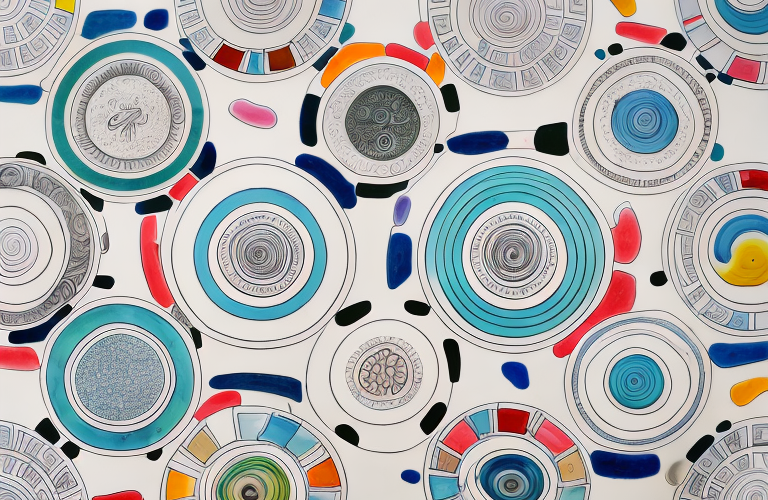
Bubble glaze pottery is a technique that creates beautiful tiny air bubbles on the surface of the pottery. The glaze creates pockets of liquid, which, when heated, expand and create tiny air bubbles in the glaze. These bubbles create beautiful patterns on the pottery surface, giving it a unique and artistic look that captivates the eye.
The process of creating bubble glaze pottery involves several steps. First, the potter creates the pottery piece using their preferred technique. Then, they apply the glaze, which is a mixture of clay, minerals, and water, onto the surface of the pottery. The pottery is then fired in a kiln at high temperatures, causing the glaze to melt and form a glass-like surface. As the glaze cools, the air bubbles form, creating the unique pattern on the surface of the pottery.
Bubble glaze pottery has been around for centuries and has been used in many different cultures. It is a popular technique among potters because of the unique and unpredictable patterns that it creates. Each piece of bubble glaze pottery is one-of-a-kind, making it a highly sought-after art form among collectors and enthusiasts.
The History of Bubble Glaze Pottery
The earliest examples of bubble glaze pottery come from the Chinese Tang dynasty (618-907 AD). During this period, bubble glaze pottery was used to create beautiful and intricate ceramic pieces that were used for both decorative and functional purposes. The technique was eventually adopted by Japan, where it came to be known as Hare’s’ fur glaze, and was used to create beautiful tea bowls and other vessels.
Today, bubble glaze pottery is still a popular technique used by ceramic artists around the world. With advancements in technology and materials, artists are able to create even more intricate and unique pieces using this technique. Bubble glaze pottery has also become a popular choice for collectors, with antique pieces from the Tang dynasty fetching high prices at auctions and in galleries.
The Different Types of Pottery Glazes
There are two main types of pottery glazes: matte and glossy. Matte glazes provide a duller finish, while glossy glazes give a shiny finish. Bubble glaze pottery is typically created with a glossy glaze, which helps to bring out the bubbles’ texture and create a beautiful, eye-catching effect on the surface of the pottery.
In addition to matte and glossy glazes, there are also specialty glazes that can be used to create unique effects on pottery. For example, crackle glazes create a cracked appearance on the surface of the pottery, while iridescent glazes create a shimmering, rainbow-like effect.
The type of glaze used on pottery can also affect its durability and functionality. Some glazes are more resistant to scratches and chipping, making them ideal for functional pieces like plates and bowls. Other glazes may be more delicate and better suited for decorative pieces that won’t be used for everyday purposes.
How to Choose the Right Clay for Bubble Glaze Pottery
The type of clay you use for your bubble glaze pottery is essential. Porcelain, for instance, is a good option if you are looking for a more delicate and refined finish, while stoneware is a more robust option that is great for creating more substantial pieces.
Another important factor to consider when choosing the right clay for bubble glaze pottery is the firing temperature. Different types of clay require different firing temperatures, and this can affect the final outcome of your piece. For example, earthenware clay is fired at a lower temperature than stoneware clay, which means it is more porous and not as durable.
It’s also important to consider the color of the clay when choosing the right one for your bubble glaze pottery. Some clays have a natural color that can complement or contrast with the glaze you choose, while others are more neutral and allow the glaze to take center stage. Additionally, some clays can be mixed with other materials, such as sand or grog, to create a unique texture or appearance in your finished piece.
The Tools You’ll Need for Bubble Glaze Pottery
There are several tools you’ll need to create beautiful bubble glaze pottery, including a potter’s wheel, a kiln, a sponge, a clay cutter, and other pottery tools. Additionally, you may need specific additives like soda ash, glaze materials, and colorants.
It’s important to note that creating bubble glaze pottery requires a specific technique. To achieve the desired effect, you’ll need to incorporate air bubbles into the glaze by blowing through a straw or using a compressor. This technique can take some practice to perfect, but the results are worth it for the unique and eye-catching finish it creates.
Preparing Your Workspace for Bubble Glaze Pottery
Before getting started, it’s essential to set up your workspace properly. This should include a clean and clear work area, proper ventilation, and access to a water source. Adequate preparation ensures that you can work comfortably and safely without being hindered by unnecessary distractions.
Another important aspect of preparing your workspace for bubble glaze pottery is to have all the necessary tools and materials within reach. This includes your pottery wheel, bubble glaze solution, brushes, and any other tools you may need. Having everything organized and easily accessible will save you time and prevent frustration during the creative process.
It’s also important to consider the lighting in your workspace. Natural light is ideal, but if that’s not possible, make sure you have adequate artificial lighting. This will help you see the details of your work and ensure that your colors are true to life. Additionally, consider the temperature of your workspace. Bubble glaze pottery requires a specific temperature range, so make sure your workspace is within that range to ensure the best results.
How to Create a Bubble Glaze Effect on Your Pottery
The key to getting beautiful bubble glaze pottery lies in the glazing process. To create this effect, you need to apply a thin layer of the glaze to your pottery surface. As the glaze heats up in the kiln, the bubbles form, creating a beautiful effect on the surface of the pottery.
It’s important to note that the type of glaze you use can also affect the outcome of the bubble glaze effect. Some glazes are more prone to creating bubbles than others, so it’s worth experimenting with different types to see which works best for you. Additionally, the firing temperature and duration can also impact the final result, so be sure to follow the instructions carefully and make any necessary adjustments based on your specific kiln and materials.
Adding Color to Your Bubble Glaze Pottery
While bubble glaze pottery creates a beautiful effect on its own, you can also add color to make it even more visually striking. You can use different colorants and additives when mixing your glaze to create unique and eye-catching designs on your pottery surface.
Some popular colorants for bubble glaze pottery include oxides, stains, and underglazes. Oxides, such as iron oxide or cobalt oxide, can create earthy tones or deep blues respectively. Stains, which are essentially concentrated pigments, can produce bright and vibrant colors. Underglazes, which are applied before the glaze, can create intricate designs and patterns.
Tips and Tricks for Firing Your Bubble Glaze Pottery
To get the best results with your bubble glaze pottery, it’s important to fire it in a kiln at the right temperature. Firing it too high can cause the glaze to blister, whereas firing it too low won’t allow the bubbles to form. It’s also essential to let the pottery cool slowly after firing to prevent it from cracking.
Another important factor to consider when firing your bubble glaze pottery is the type of kiln you use. Electric kilns are the most common type used for firing pottery, but gas kilns can also be used. Gas kilns tend to produce more even heat, which can result in a more consistent glaze finish. However, electric kilns are generally easier to use and maintain.
It’s also important to note that the thickness of your glaze can affect the final result. If the glaze is too thick, it may not bubble evenly or may even run off the pottery during firing. On the other hand, if the glaze is too thin, it may not bubble at all. Experiment with different thicknesses to find the right balance for your desired effect.
Finishing Touches: Sanding and Polishing Your Bubble Glaze Pottery
Once you have fired your bubble glaze pottery and allowed it to cool properly, it’s time to sand and polish it to give it a beautiful and smooth finish. Use a fine-grit sandpaper to sand away any rough edges and then use a polishing compound or a wax to bring out the shine in your pottery.
Displaying and Caring for Your Beautiful Bubble Glaze Pottery
To ensure that your bubble glaze pottery remains beautiful, it’s important to display it properly and care for it correctly. Make sure to keep it away from direct sunlight and avoid using abrasive chemicals or cleaning agents that could damage the glaze or the pottery’s surface.
Common Mistakes to Avoid When Making Bubble Glaze Pottery
One of the biggest mistakes people make when creating bubble glaze pottery is applying too much glaze. Applying too much glaze can cause it to run and create an uneven finish. Additionally, firing the pottery too quickly or at too high a temperature can also cause the glaze to blister and ruin the piece’s overall aesthetic.
DIY Projects: Making Bubble Glaze Pottery at Home
If you’re looking to make bubble glaze pottery at home, there are several resources available that can help you get started. There are plenty of online tutorials and resources that can guide you through the process, as well as pottery workshops and classes where you can learn the craft from experts.
Inspiring Ideas and Designs for Bubble Glaze Pottery
The possibilities for creating beautiful bubble glaze pottery are virtually endless. Some inspiring ideas and designs include creating unique geometric shapes or intricate floral designs. Using different color combinations is also an excellent way to create unique and eye-catching pieces that stand out from the crowd.
In conclusion, creating beautiful bubble glaze pottery is a rewarding and enjoyable art form that requires patience, skill, and creativity. By following the tips and techniques outlined in this guide, you can create beautiful and unique pieces of pottery that capture the imagination and inspire wonder.