

Pottery making is an ancient art that has been practiced for thousands of years. One of the most important tools of the trade is the clay kiln. Using a clay kiln provides numerous benefits when compared to other firing methods. Clay kilns are versatile, allowing for a range of firing temperatures and techniques, giving potters the ability to achieve unique and stunning results. In this article, we will discuss the benefits of using a clay kiln for pottery making, from understanding its basics to exploring its different types, techniques, and maintenance tips.
Understanding the Basics: What is a Clay Kiln?
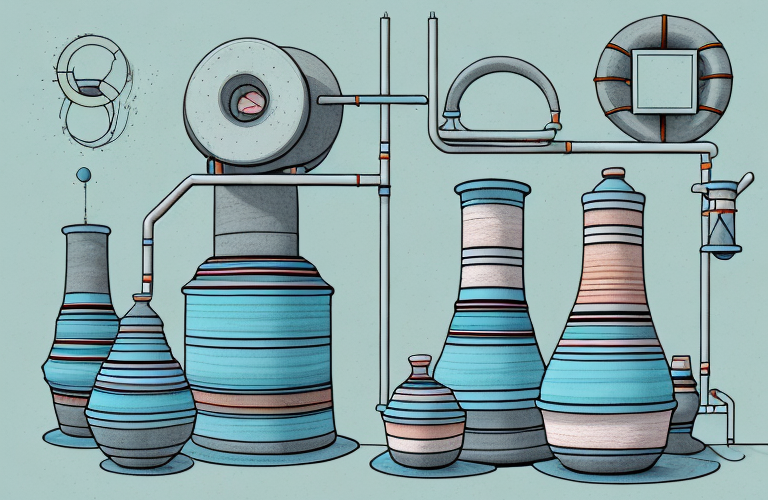
A clay kiln is a heating device that is used to fire clay objects to make them hard and durable. A kiln can reach temperatures up to 2300°F (1260°C) to drive out chemically bound water in the clay, causing chemical changes that make the clay hard and durable. Clay kilns come in different shapes and sizes and can be powered by electricity, gas, or wood. The shape and design of the kiln determine the type of pottery that can be made, as well as the firing technique that will be used.
There are different types of kilns used for firing clay, including electric kilns, gas kilns, and wood-fired kilns. Electric kilns are the most common type used by potters today, as they are easy to use and control. Gas kilns are often used for larger pieces or for specialized firing techniques, such as reduction firing. Wood-fired kilns are less common, but they produce unique effects on the pottery due to the ash and flame patterns that occur during firing.
The Different Types of Clay Kilns Available in the Market
There are several types of clay kilns available in the market, each with their unique set of advantages and disadvantages. The most common types of clay kilns include electric, gas, and wood-fired kilns. Electric kilns are easy to use and control and are ideal for beginners and small studios. Gas kilns are more versatile and can reach higher temperatures than electric kilns, making them suitable for more demanding pottery work. Wood-fired kilns are ideal for creating unique and intricate designs, and their high temperatures can produce outstanding results that cannot be achieved with other firing methods.
Another type of clay kiln that is gaining popularity is the hybrid kiln, which combines the benefits of electric and gas kilns. Hybrid kilns are energy-efficient and can reach high temperatures quickly, making them ideal for large-scale pottery production. They also offer precise temperature control, allowing potters to achieve consistent results.
It is important to consider the size and capacity of the kiln when choosing the right one for your needs. Small electric kilns are suitable for beginners and hobbyists, while larger gas or wood-fired kilns are better for professional potters who need to produce larger quantities of pottery. Additionally, the type of clay being used and the desired outcome will also influence the choice of kiln.
How to Choose the Right Clay Kiln for Your Pottery Making Needs
Choosing the right clay kiln for your pottery making needs will depend on several factors, including your budget, space, and preferred firing technique. Other factors to consider include the size of the kiln, its energy efficiency, and its firing cycle. You should also consider the type of pottery you want to create, and whether you will require a kiln that can reach high temperatures, or if a lower temperature kiln would be sufficient for your needs.
Another important factor to consider when choosing a clay kiln is the type of fuel it uses. Kilns can be powered by electricity, gas, or wood, each with its own advantages and disadvantages. Electric kilns are convenient and easy to use, but can be expensive to operate. Gas kilns are more energy efficient and can reach higher temperatures, but require a gas line and proper ventilation. Wood-fired kilns offer a unique aesthetic and can produce beautiful results, but require a lot of time and effort to operate.
It’s also important to think about the future when choosing a clay kiln. Consider your long-term goals and whether the kiln you choose will be able to grow with you. If you plan on expanding your pottery making business or experimenting with new techniques, you may want to invest in a larger or more versatile kiln. On the other hand, if you’re just starting out or have limited space, a smaller kiln may be a better option.
The Advantages of Using a Clay Kiln over Traditional Firing Methods
Clay kilns offer several advantages over traditional firing methods such as firing in an open pit or sun drying. Clay kilns offer precise control over firing temperatures and allow for the use of different firing techniques, which can be used to produce unique and complex designs. Clay kilns also make it possible to fire a larger number of pieces at once, increasing the productivity of a pottery studio. Additionally, clay kilns produce pottery that is more durable and long-lasting when compared to traditional firing methods.
Another advantage of using a clay kiln is that it produces pottery that is less likely to crack or break during the firing process. This is because the kiln provides a more controlled environment for the pottery to dry and harden, reducing the risk of uneven drying and cracking. Furthermore, clay kilns can be used to create a wider range of pottery styles and shapes, as they allow for more precise control over the firing process. This makes them a popular choice among professional potters and hobbyists alike.
How Clay Kilns Make Pottery Making Easier and More Efficient
Using a clay kiln can make the pottery making process easier and more efficient due to its precise temperature control and firing cycles. This allows potters to fire multiple pieces simultaneously while ensuring they are all fired to the same temperature and for the same amount of time. The use of clay kilns also reduces the time and effort required for firing pottery, allowing potters to focus on other aspects of their craft.
In addition to the benefits of precise temperature control and firing cycles, clay kilns also offer the advantage of being able to fire pottery at higher temperatures than other firing methods. This allows for a stronger and more durable finished product, making it ideal for functional pottery such as plates and bowls.
Furthermore, clay kilns can also be used for alternative firing techniques such as raku firing, which produces unique and unpredictable results. This allows potters to experiment with different techniques and create one-of-a-kind pieces that cannot be replicated with traditional firing methods.
The Science Behind Clay Kiln Firing: How it Works and Why it Matters
The science behind clay kiln firing is a fascinating field of study. Different firing temperatures and techniques produce different chemical reactions in the clay, resulting in unique colors, textures, and finishes. Understanding the science behind kiln firing can help potters achieve desired effects and create custom pieces. Additionally, understanding the science behind firing can help potters troubleshoot any problems that may arise during the firing process.
Different Techniques for Firing Pottery in a Clay Kiln
There are several different techniques for firing pottery in a clay kiln, each with its unique set of advantages and disadvantages. The most common techniques include single firing, bisque firing, and glaze firing. Single firing involves firing clay once, while bisque firing involves firing clay twice, once to harden the clay and a second time to add glaze. Glaze firing is used to apply glaze to pottery and is typically the final step in the pottery making process. Potters can also experiment with different firing techniques to achieve unique and stunning results.
Tips and Tricks for Maintaining Your Clay Kiln for Optimal Performance
Maintaining your clay kiln is important to ensure it performs optimally and remains safe to use. Some tips for maintaining your clay kiln include regularly cleaning the kiln, inspecting the elements, and replacing them if necessary. Potters should also keep an eye on the kiln’s temperature and make adjustments if necessary, as well as ensure that the kiln is properly vented. Following these tips will help extend the lifespan of your clay kiln and ensure that it continues to perform at its best.
Troubleshooting Common Issues with Your Clay Kiln During the Pottery Making Process
As with any tool, issues can sometimes arise with clay kilns during the pottery making process. Some common issues include uneven firing, damaged elements, or glaze defects. Troubleshooting these issues requires a combination of experience and knowledge, but some common solutions include adjusting the firing temperature, replacing elements, or adjusting the kiln’s ventilation system. Potters should familiarize themselves with common kiln issues and seek assistance from experienced craftsmen if necessary.
Comparing the Cost of Using a Clay Kiln versus Other Firing Methods
The cost of using a clay kiln versus other firing methods will depend on several factors, including the cost of the kiln, its maintenance requirements, and the cost of energy required to run it. While the initial cost of a kiln may be higher than other firing methods, clay kilns are more energy-efficient and produce pottery that is more durable and long-lasting. Clay kilns are also more versatile and allow for a greater range of firing temperatures and techniques, making it possible to produce unique and complex designs.
Sustainability and Eco-Friendliness of Using a Clay Kiln for Pottery Making
Using a clay kiln for pottery making can be a sustainable and eco-friendly choice. Many kilns are designed to be energy efficient, which reduces the amount of energy required to fire pottery. Additionally, using a clay kiln reduces the amount of waste generated during the pottery making process, as pieces can be fired and reused instead of discarded. Potters can also choose to use eco-friendly materials when making pottery, such as clay sourced from local suppliers or recycled materials like glass and metal.
The Future of Clay Kilns in Modern Pottery Making Industry
The future of clay kilns in the modern pottery making industry looks promising. As new materials and technology are developed, it is likely that kilns will become even more energy-efficient and versatile. Additionally, the rise of eco-consciousness and sustainability in the manufacturing industry is likely to lead to more demand for clay kilns and other eco-friendly pottery making methods. As pottery continues to evolve, clay kilns will remain an essential tool in the pottery making process, providing potters with the ability to create unique and stunning pieces of art.