


When it comes to crafting beautiful clay pieces, it can sometimes be hard to get the desired results. With so many different techniques and products out there, it can be difficult to know where to start – but this is where an underglaze comes in. Underglazes are a great product to use when crafting clay pieces, as they can be used to create a range of finishes and effects that can bring your work to life. Below, we look at what an underglaze is, the various types that are available, how to apply one, the advantages and disadvantages of using it, as well as some tips for successful application.
What is an underglaze?
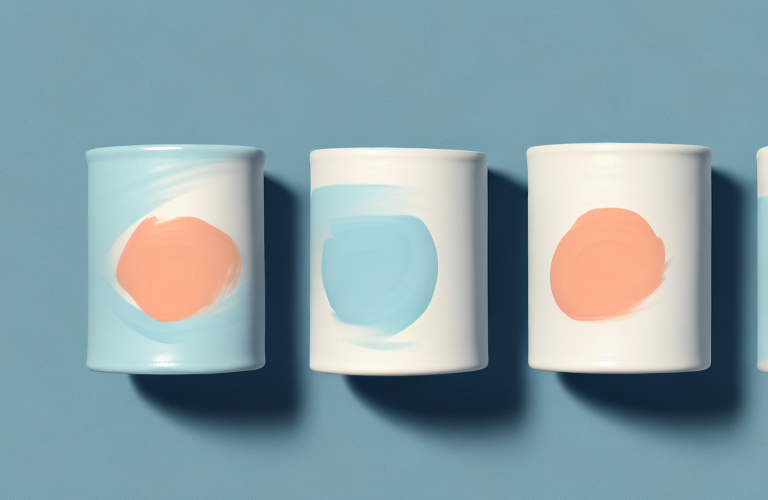
An underglaze is a type of liquid clay slip or coloured powder that can be applied to greenware clay bodies before they are fired. Once fired, the underglaze can turn into a glass-like coating and provide a range of decorative finishes – from metallic glazes to matt finishes – depending on the type of product used. This technique also offers some protective qualities to your clay piece, as the underglaze helps to prevent wear and tear better than a glaze alone.
Underglazes can be used to create a variety of effects, from subtle shading to bold, vibrant colors. They can also be used to create intricate designs and patterns, making them a great choice for pottery and ceramic projects. Additionally, underglazes are often used in combination with glazes to create unique and interesting effects.
What Types of Underglazes Are Available?
There are several different types of underglazes available on the market today. For example, you could opt for an earthenware and lead-based underglaze which is best for use on greenware and bisqueware. You could also choose a slow-fire underglaze formula which works well with any type of stoneware or porcelain clay body. Furthermore, you could use an oil-based underglaze which is great for creating subtle shading and – when combined with other pigments can even help you create a range of unique finishes.
In addition to the types of underglazes mentioned above, there are also a variety of specialty underglazes available. These can be used to create a variety of effects, such as metallic finishes, crackle glazes, and even textured surfaces. Specialty underglazes can be used to create a wide range of unique and interesting effects, and can be a great way to add a unique touch to your ceramic pieces.
How to Apply an Underglaze
When applying an underglaze, it’s important to ensure that your greenware clay is completely dry. This ensures that the underglaze adheres properly and the finished piece is not compromised in any way. Once dry, simply brush the underglaze onto your piece using either a brush or a sponge. Apply thin gentle coats and make sure that you paint every area evenly.
When you have finished coating your piece, place it in a warm kiln and fire until it reaches the recommended temperature for firing. Finally, remove the finished piece from the kiln, unload it and allow it to cool to room temperature before glazing.
Benefits of Using an Underglaze
There are several benefits associated with using an underglaze. These include the ability to achieve a wide range of finishes and effects, as well as its protective qualities from everyday wear and tear. Furthermore, as long as you fire your piece correctly and evenly, an underglaze will give you a neat and consistent finish which can add a professional touch to your work.
Advantages and Disadvantages of Underglazes
Although there are a number of advantages associated with using an underglaze, there are also some potential disadvantages. For example, using an underglaze can be time consuming and if you don’t fire your piece correctly, the end result can be disappointing. Furthermore, using a lead-based underglaze may be toxic if ingested so you must use caution when handling it.
Tips for Applying an Underglaze Successfully
For successful application of an underglaze, it’s important to ensure that you follow the manufacturer’s instructions carefully – paying attention to drying diameters, brush strokes direction etc. It’s also beneficial to test your underglaze on a piece of greenware before working on your main project, in order to make sure that you’re happy with the finish. This also allows you to determine what firing temperature is best for your piece.
Common Mistakes to Avoid When Using an Underglaze
When applying an underglaze, there are a few common mistakes that should be avoided. Firstly, ensure that your greenware clay is completely dry before application; any moisture will affect the quality of the finish. Secondly, make sure that you read through the firing advice on your underglaze carefully; firing at too high or too low a temperature can affect the finished look. Finally, don’t rush – take your time when applying the underglaze, as a rushed job will likely result in an uneven finish.
Finishing Touches to Enhance Your Work with an Underglaze
Once you’ve successfully applied the underglaze your piece can be finished with a range of other touches to enhance its look. For example, you could choose to add additional colours or finishes with either glazing or caning techniques. You may also opt for burnishing and texturing practices in order to create unique patterns or designs.
By following these simple tips you should be able to successfully use an underglaze without any issues – and you should be left with a beautiful piece of art that you are proud of. Good luck!