Working with clay is one of the oldest art forms, and is a great way to express creativity and make unique pieces of art. Clay comes in a variety of different types, each of which has its own set of characteristics, uses, and properties. In this article, we’ll be exploring the four main types of clay and discussing their key characteristics, uses, properties, and how to work with each type. So, what are the four main types of clay?
The Different Types of Clay
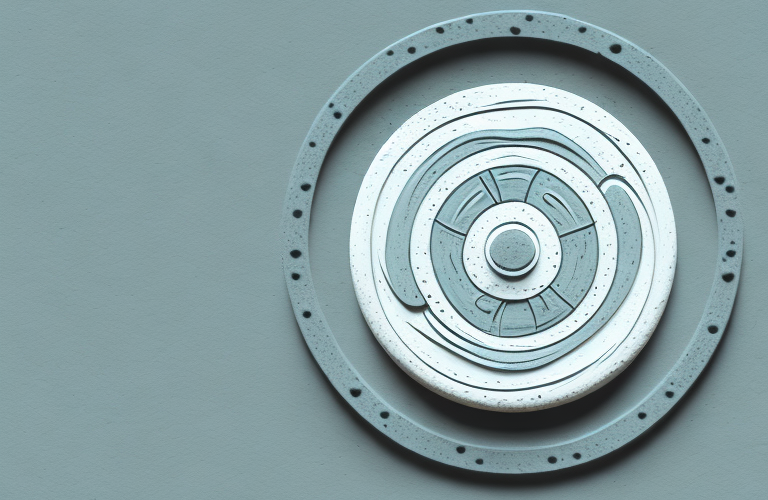
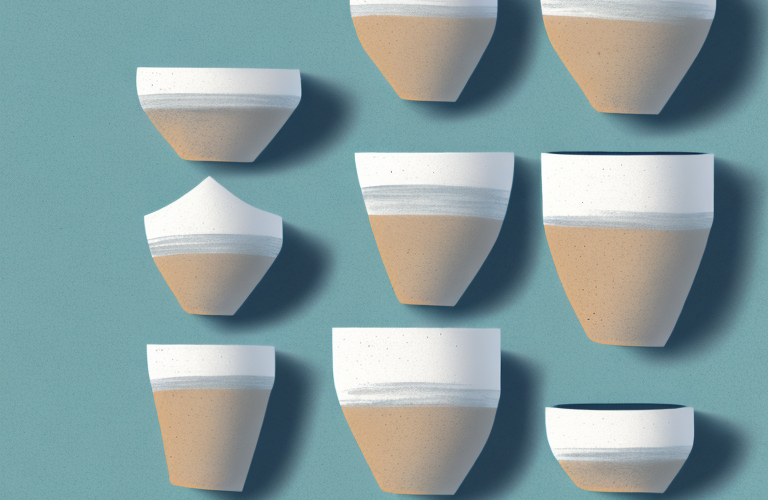
The four main types of clay are earthenware, stoneware, porcelain, and white raku. Each type is composed of different ingredients and has distinct characteristics both when raw and when fired. Earthenware clay is made from a mix of kaolinite, quartz, and feldspar. When fired, earthenware clay produces a dense yellow-red color. Stoneware clay is a mix of kaolinite and quartz, with a grey-brown color when fired. Porcelain clay is composed of kaolinite, quartz and feldspar, and has a grayish-white color when fired. Finally, white Raku clay is composed of rhassoul clay and kaolinite, and can be fired to produce a unique marbling effect.
Characteristics of the 4 Types of Clay
Each type of clay has unique characteristics that make it suited for specific applications. Stoneware is the strongest type of clay, while being dense and impermeable. Porcelain also produces strong pieces that are porous like stoneware, but it also has less shrinkage than stoneware when fired. White raku is the softest of the four clays, with a relatively low amount of shrinkage when fired. Earthenware clay is porous and weak, but can be decorated with slips. It’s also the easiest type to work with and the most suitable for beginner potters.
Uses for Each Type of Clay
Stoneware and porcelain clays are best suited for creating high-quality pottery, such as dishes and mugs. They’re durable and impermeable which makes them perfect for food-grade items, as they won’t leach any toxins into the food. White Raku is great for making decorative pottery such as sculptures or wall hangings. Its unique color palette makes it particularly suitable for decorative pieces. Finally, earthenware clay can be used for making functional items such as plates, mugs or bowls, or decorative pieces such as sculptures.
Properties of Clay
Clay is an interesting material that can be used in a variety of ways. It’s plasticity means it can be shaped into different shapes, while its porosity and absorption capacity give pottery utilitarian qualities such as being able to hold liquids. Clay is also naturally resistant to heat; although burning the clay will produce a “hard” piece, it will remain relatively fragile.
Making Clay
Making clay is relatively simple but can be time-consuming. The main ingredients needed to make clay are clay powder (kaolinite), quartz and feldspar. Different types of clay require different kinds and proportions of ingredients; for example, earthenware will require a larger proportion of kaolinite than stoneware. The ingredients will then be added to water to form slurry which can then be left to stand for one or two days before it’s ready to be worked with.
Working with Clay
Once the clay has been made it’s then ready to be worked with. The body of clay can be shaped into the desired form by pinching and wedging with either hands or tools. If more detail is needed then tools such as knives or ribbons can also be used to carve or add texture. It’s important to let the clay rest once in a while to avoid drying out or cracking.
Finishing Techniques for Clay
A range of different finishing techniques can be used to decorate fired clay pieces. Colored slips made from different materials can be used to paint patterns onto dried or greenware pieces. After firing, burnishing or polishing can be used to achieve a smooth glassy texture on surfaces. Glazing can also be used to give pieces a shiny finish or to accentuate the colors produced by slips.
Tips for Working with Clay
Clay requires patience! Clay takes time to work: if it dries out too quickly, cracks can happen or detail can be lost when forming pieces. It’s also important to use the correct tools as bad tools can make life much harder! Finally, make sure you have plenty of space to work as well as enough water for both working with and cleaning the clay.
Troubleshooting Common Issues with Clay
Sometimes things don’t go to plan when working with clay! One common issue is air bubbles forming in the clay which can cause it to crack when dried or fired. To prevent this, thoroughly knead the clay or roll over it with a rolling pin before use. If your pieces have a rough texture this could be caused by under-kneading or too much water in the mix; try working on just one small area at a time until you find the perfect consistency.
Now that you know about the four main types of clay, their characteristics and uses, why not give working with clay a try! Whether you’re making functional pieces such as bowls or decorative pieces like sculptures, you’ll find that there’s always something new to learn and explore.