
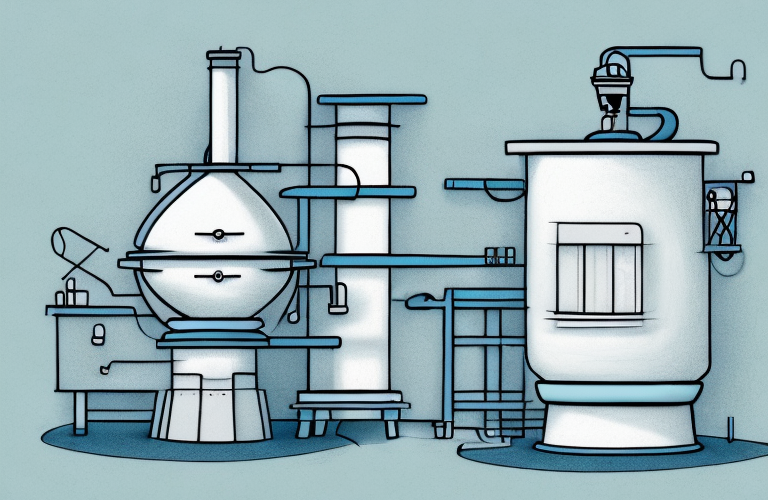
Kilns can be great additions to any home – but can you have one at your house? The answer is yes! Home kilns provide a unique way to fire pottery, create glass art, or even harden metal objects. In this article, we will explore the ins and outs of getting and using a kiln at your house.
What is a Kiln?
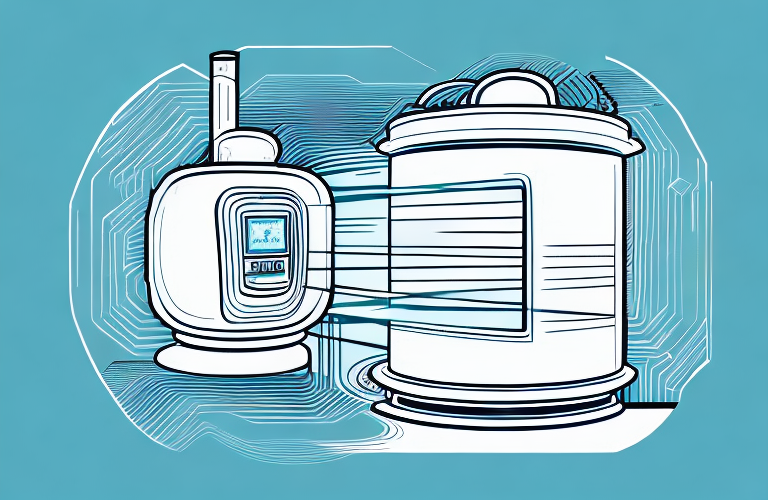
A kiln is a special oven that can reach high temperatures to work materials like clay or metal. The heat of a kiln manipulates the material in a controlled environment, allowing you to achieve the desired shape, size and finish. Clay products like pottery, glass, and metal objects are some of the most popular items to be fired in a kiln. You can set up a kiln in your own home, providing you with hours of fascinating tinkering fun!
Pros and Cons of Having a Kiln at Home
Having a kiln at home is a great way to customized clay and metal products like no other. You can add texture, color and design to any material, to suit your personal style. There are many pros to having a kiln at home – it gives you access to the tools at all times – but there are also some disadvantages that you should consider before taking the plunge.
First, Kilns run on electricity and require proper venting for safe operation. The cost for both can add up quickly, unless you already have the necessary wiring and vents in place. You’ll also need to thoroughly clean your kiln between every firing, otherwise dirt and residue will build up on the underside and some of your work may come out misshapen.
Finally, you will have to spend time learning how to use your kiln properly, and doing research on the materials you are working with. If you’re not willing to put in the necessary time and energy, having a kiln at home might not be right for you.
What Type of Kiln Should You Buy?
If you decide having a kiln at home is for you, it’s important to do your research and find the best type for your needs. There are two main types of kilns: electric and gas. Electric kilns are popular for smaller items like jewelry and pottery, but gas kilns are great for larger items like ceramics and metalwork. Additionally, electric kilns can reach higher temperatures more quickly than their gas counterparts.
It’s important to find a kiln that meets your needs, so make sure you research the different types and decide what will work best for your projects. Also consider the space you have available – electric and gas kilns come in different sizes, so find one that fits snugly in your designated spot.
How to Set Up a Kiln at Home
After you’ve purchased your kiln, it’s time to set it up. You’ll need to find a suitable location; some people choose their garage or basement. Make sure the space meets your electric and venting requirements! Next, plug in your electric kiln or attach your gas line to the kiln and light it up. Finally, make sure your electric kiln is properly grounded.
If you’re uncomfortable with any part of this process, it’s best to consult an expert for help. This could be an electrician or plumber – just make sure they know exactly what they’re doing!
Safety Tips for Using a Kiln at Home
When using a kiln at home, it’s important to take safety precautions. Most importantly, make sure that your space is well ventilated – this is especially true with gas kilns. Wear protective clothing like a mask and ventilator, as well as heat-resistant gloves. Safety glasses are also recommended when dealing with hot materials. Additionally, it’s best to keep an eye on your kiln at all times – never leave it unattended!
Cost Considerations for Owning a Kiln
An important factor when owning a home kiln is the cost. Depending on the type of kiln, as well as size and other bells and whistles, prices can range from several hundred dollars to several thousand dollars. Electric kilns are usually cheaper than gas kilns, since they don’t require extra ventilation or gas lines.
You should also consider the recurring costs associated with owning a kiln. Consumables like refractory materials and vent tubing need replacing over time, as well as any additional resources such as books or tools. Additionally, electricity bills will likely increase with your newfound hobby.
Maintenance and Troubleshooting Tips for Home Kilns
Regular maintenance of your kiln is key to keeping it running safely and efficiently. For electric kilns, clean the element coils regularly – dirt and debris can prevent the coils from reaching their maximum temperature. Additionally, always read your manufacturer’s instructions before performing routine maintenance.
Troubleshooting common issues is also essential when owning a home kiln. Sometimes there will be noticeable signs that something is wrong – your fire can go out or there could be smoke coming from the vent pipe – but other problems may be less obvious. In this case, look for signs of wear or discoloration on exterior surfaces of the kiln. Additionally, check the wiring for loose connections or frayed wires.
What Materials Can You Fire in Your Home Kiln?
There are many materials that can be fired in a home-based kiln, including clay pieces like pottery or sculptures; enameled glassware; iron-based metals like ferrous iron alloys; precious metals like gold or silver; and refractory materials like ceramic fiber boards.
You’ll need to decide which materials you plan on firing – this will help determine the type of kiln you choose as well as the firing temperature. You should also purchase additional safety equipment depending on what material you’re working with; precious metals require extra care and precautions.
Where to Find Tutorials and Resources for Working with Your Home Kiln
If you want to learn more about using a home kiln, there are plenty of resources available online. YouTube is a great source of tutorials – there are many helpful videos that cover all aspects of setting up, using and maintaining your home kiln. Additionally, there are websites dedicated to helping ceramicists learn new skills. Some offer online courses while others allow users to post questions and get answers from experts.
Ultimately, owning a home kiln can be an incredibly rewarding experience – just make sure you weigh the pros and cons carefully, do thorough research on which type you should buy, and always practice safety first!