Firing clay is a delicate process. When done properly, the clay is baked in a kiln to a certain temperature and then cooled slowly to give it a strong, sturdy form. But when clay cools too quickly, it can have disastrous results. In this article, we’ll discuss the adverse effects of rapid cooling, potential solutions, tips to prevent it from happening again and more.
Adverse Effects of Rapid Cooling
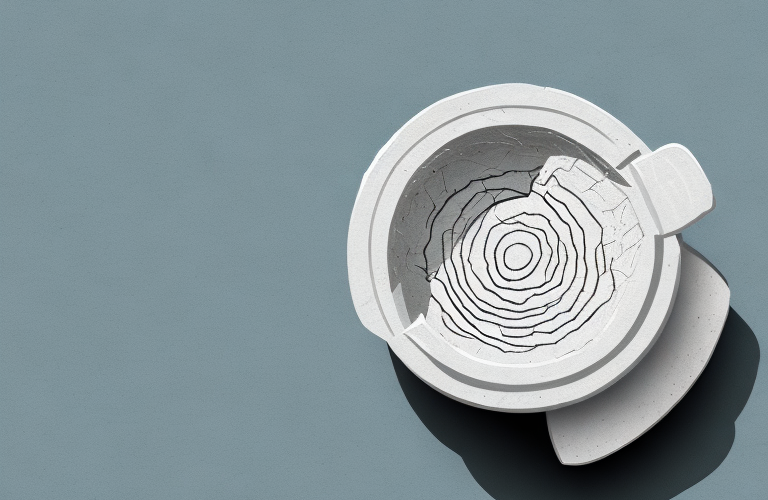
When clay cools too quickly, it has a number of harmful effects, including warping and cracking. Warping is when parts of the clay bend or move out of their intended shape. Cracking can occur when the thermal shock of rapid cooling causes the clay to break along its weakest points. These cracks may be small, but they can ruin the appearance of the piece and reduce its value and strength. Additionally, clay that has cooled too quickly may be brittle, making it more prone to breakage when handled or moved.
In addition to the physical damage caused by rapid cooling, the clay may also be weakened structurally. This can lead to a decrease in the overall strength of the piece, making it more susceptible to damage or breakage. Furthermore, the clay may not be able to hold its shape as well, leading to a decrease in the accuracy of the finished product.
Causes of Rapid Cooling
Rapid cooling typically occurs when the kiln is opened too soon after firing, allowing the hot clay to rapidly cool down. This can also happen if the fan in the kiln has failed or if the air flow is blocked by pieces of clay. Additionally, if the kiln’s temperature has been set too high during the firing process, it can cause rapid cooling when the bricks begin to cool down rapidly.
Potential Solutions for Rapid Cooling
If you’ve experienced rapid cooling with your fired clay, the good news is that there are potential solutions. The first step is to gradually cool down your clay, which can often help mitigate the adverse effects. You can do this by slowly opening the kiln door or setting up a fan to circulate air around the pieces. Additionally, firing clay at a lower temperature can also help reduce the risk of rapid cooling.
Tips for Controlling the Cooling Rate
If rapid cooling of fired clay is a recurring problem, there are some tips you can keep in mind to help prevent it from happening in the future. Make sure your fan is in proper working order and check the kiln temperature before and periodically throughout the firing process. Be sure that air can circulate freely around all pieces of clay, and if possible, set up an exhaust system to help move hot air away from the kiln. Finally, never open the kiln door until you are absolutely certain that your clay is sufficiently cooled.
Benefits of Slower Cooling
Aside from reducing the risk of cracking or warping due to rapid cooling, there are other benefits to cooling your fired clay at a slower rate. For example, slower cooling allows for a more even distribution of heat, leading to more consistent size and strength among all pieces. In some cases, slower cooling can even enhance the coloration of glazes and make them look more vivid.
Common Mistakes to Avoid When Firing Clay
When firing clay, there are a few common mistakes that could result in rapid cooling after firing. Some of these include not taking the time to properly prepare your pieces before turning on the kiln, failing to actively monitor the temperature during the firing process, not double-checking that your fan is functioning properly, and opening the kiln door too soon after firing is complete. All of these mistakes can lead to rapid cooling and should be avoided.
How to Tell if Clay Has Cooled Too Quickly
If you’re unsure as to whether or not your fired clay has cooled too quickly, there are some signs you can look out for. Warping or cracking are both indicative of a rapid cooling process, as is brittle texture. Additionally, glazes that are dull or discolored could be a sign of a quick cool-down.
How to Prevent Clay from Cooling Too Fast
The best way to prevent clay from cooling too fast is to properly prepare for your firing session beforehand. Check your fan and make sure there is no blockage around the pieces of clay. Then adjust your kiln accordingly – if you’re firing a large amount of pieces, consider turning up the temperature slightly. Also be patient and wait until your pieces are fully cooled before opening the kiln door.
Working with Fired Clay After Rapid Cooling
If you find yourself working with clay after it has cooled too quickly, there are a few things you can do. Start by removing any cracks or warping with sandpaper or scrapers. Glazes may be able to be re-fired with no adverse effects, but be sure to take extra caution when moving or handling pieces which have suffered from rapid cooling.
Rapid cooling of fired clay can have disastrous effects, but following these tips and steps can help reduce the severity or even avoid it completely. By taking the time to properly prepare and monitor your kiln during firing, you can ensure that your fired clay cools down in an even and consistent manner.