Are you thinking about buying or using a kiln for your project or hobby, but haven’t considered how much it will cost to keep it running? You’ll want to consider not just the initial purchase price, but also the ongoing running costs of the kiln before you make a decision. In this article, we’ll discuss the factors that impact kiln running costs and what you can do to minimize them.
Understanding Kiln Operating Costs
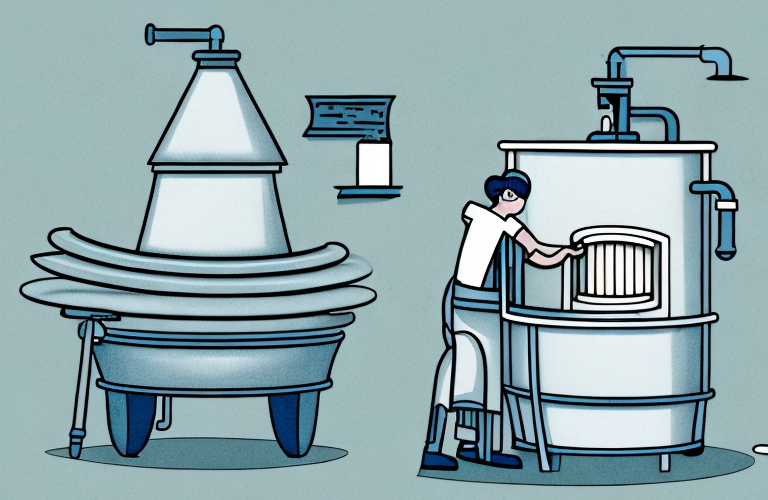
The cost to run a kiln will depend on several factors, including its size, design, power usage, and type of fuel used. Electrical kilns require an outlet and have higher electricity costs than gas-powered kilns; however, they are more convenient and require less preparation time. No matter the type of kiln you decide to use, you’ll want to factor in regular maintenance costs as well.
When calculating the cost of running a kiln, it is important to consider the cost of the fuel used. Gas-powered kilns are typically more expensive to run than electric kilns, but they may be more cost-effective in the long run. Additionally, the cost of electricity can vary depending on the region, so it is important to research the cost of electricity in your area before making a decision.
Factors that Impact Kiln Running Costs
Kiln running costs are impacted by a number of factors, including the size of the kiln and the length of time it takes to run. Larger kilns tend to require more energy and materials than smaller kilns, which translates to higher operating costs. Additionally, the speed at which your kiln runs, the type and quality of the fuel you use, and the age and condition of your kiln can also have an impact on your costs.
The amount of maintenance and repairs that are required for your kiln can also affect your running costs. Regular maintenance and repairs can help to ensure that your kiln is running efficiently and safely, which can help to reduce your overall costs. Additionally, the cost of the materials you use in your kiln can also have an impact on your running costs. Using higher quality materials can help to reduce the amount of energy and materials needed to run your kiln, which can help to reduce your costs.
Electric vs. Gas Kiln Operating Costs
When it comes to electric kilns, you’ll be paying your utility company for kilowatt-hours of energy used and any other necessary materials such as plugs or electrical terminals. Exact prices will vary by region, but most electric kilns will require between 0.5 and 5 kilowatts per hour of operation, with prices ranging from 10 to 40 cents per kilowatt-hour. Gas-powered kilns require propane or natural gas as fuel, and will usually cost around 1 cent per BTU hour to operate.
When deciding between electric and gas kilns, it is important to consider the cost of the fuel and the cost of the kiln itself. Electric kilns are typically more expensive to purchase than gas kilns, but they are often more efficient and require less maintenance. Gas kilns are usually cheaper to purchase, but they require more frequent maintenance and may be more expensive to operate in the long run.
Estimating Your Kiln Operating Costs
The best way to estimate your running costs for any kiln is to consult the manufacturer’s specifications for its expected power usage and fuel consumption rate. Once you know the size and fuel type of your kiln, you can determine your estimated operating costs for a single firing. You may also want to compare different models or types of kilns to see which will be the most cost-effective option for you.
It is important to remember that the cost of running a kiln is not just limited to the fuel and power usage. You should also factor in the cost of maintenance, repairs, and any additional safety equipment that may be required. Additionally, you should consider the cost of any additional materials or supplies that may be needed to complete a firing. By taking all of these factors into account, you can ensure that you are getting the most cost-effective kiln for your needs.
Ways to Reduce Kiln Running Costs
Once you’ve determined your expected running costs, there are a number of ways you can reduce them. For electric kilns, consider reducing the number of firings by programming your kiln to run at lower temperatures or fewer hours per firing. If your kiln uses gas, try purchasing a more energy-efficient model or looking into alternative fuels like pellet burning or sawdust briquettes. You can also look into alternative energy sources, such as solar-powered electricity.
Tips for Maintaining Your Kiln Efficiency
Once you have chosen a kiln, there are some maintenance tips that can help you reduce running costs. Make sure all elements are kept clean and regularly inspected for any potential damage. Consider purchasing a dust cover for your kiln if you won’t be using it for an extended period of time. And, unless you’re using a ventless kiln, be sure to inspect and clean the exhaust system regularly in order to maximize efficiency.
Conclusion
Whether you’re firing a large production batch or a one-off project, it pays to consider your ongoing operating costs before selecting a kiln. Electric and gas models offer different operational advantages and vary in cost. Be sure to consult the manufacturer’s specifications to estimate your running costs before making a commitment. With careful consideration of your needs and maintenance habits, you can successfully select the right kiln at the right price.