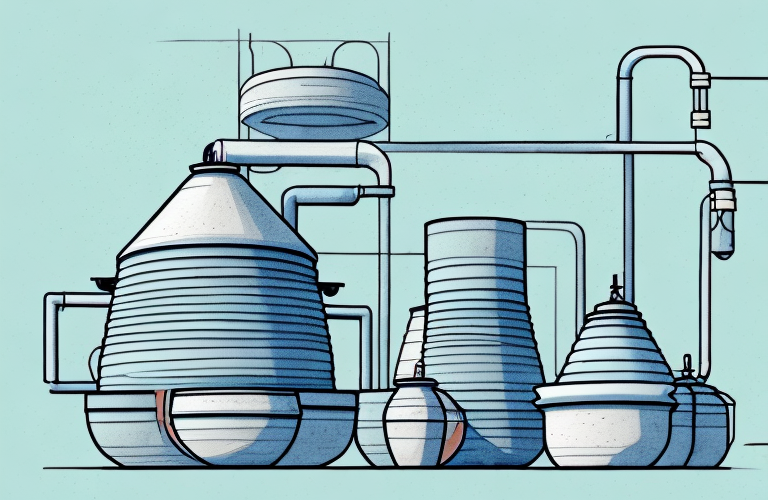
Kilns―high-temperature ovens used for a variety of processes such as pottery-making, baking ware, hardening metal, and glass-making―have potential to be fire hazards. Therefore it’s essential to understand the safety elements of using kilns and being aware of the fire hazards they can present. In this article, we will discuss the dangers of kilns, fire protection measures, types of kilns and their different fire risks, materials used in kilns that are a fire hazard, important considerations for fire safety around kilns, how to respond to a fire emergency involving a kiln, and common causes of kiln fires.
The Dangers of Kilns
Kilns can be a serious source of risk due to the high temperatures they reach: when not used properly or with the proper safety procedures in place, they can cause fires. The intense power used can also cause electric short circuits, creating sparks that can ignite combustible materials in the surrounding area. In case of a spill or release of combustible or flammable material in the vicinity of the kiln, it can be ignited very quickly if left unchecked. These are all significant risks that must be taken seriously when operating a kiln.
Preventing Kiln Fires
The first step to preventing kiln-related fires is to carefully observe safety protocols and make sure they are followed at all times. The kiln should be located in an area with proper ventilation and a dedicated vent system to reduce the chances of combustion. It’s also important to make sure the kiln is used correctly and that combustible or hazardous materials are kept away from it.
Proper Ventilation and Safety Protocols
Ventilation is key when using a kiln. Although certain types of kilns have specific ventilation requirements, in most cases having sufficient airflow is necessary to reduce the risk of fire or health-related issues caused by fumes or particles that can result from the burning material in the kiln. An additional way to reduce these risks is to create run-off points and collection zones for spilled materials, which can then be disposed correctly. Establishing regular maintenance checks can also ensure that all safety measures are observed.
Fire Protection Measures for Kilns
Installing a fire extinguisher near the kiln is an important safety measure. Additionally, making sure that all connections and cables are tight and flame retardant, as well as installing a smoke detector near the kiln and regularly testing it, can all be part of a comprehensive fire-safety system.
Types of Kilns and Fire Risks
Kilns come in a variety of sizes and shapes and can run on electricity, gas, or a combination of both. Depending on the type of kiln and how it is used, different fire risks may be associated with it. For example, gas-heated kilns may require extra attention because if combustible material enters the chamber, it can quickly reach flashpoint and potentially start a fire. Electric kilns may require less monitoring, but faulty wiring or exposed electrical connections can cause sparks that could ignite combustible materials.
Materials Used in Kilns That Pose a Fire Hazard
Another factor to consider when using a kiln is the type of material being used. Since some materials can easily catch on fire, they should be handled with care and stored away from any source of heat. Materials such as wood, paper, fabric, plastic, and synthetic fabrics all pose a fire risk when being fired in a kiln, so extra caution should be taken when handling or storing these.
Important Considerations for Fire Safety Around Kilns
It’s also important to make sure the area surrounding the kiln is kept free from combustible material, especially if it’s stored in a studio setting. In an enclosed space, curtains made from flammable material should always be kept away from the heat source in order to prevent any potentially hazardous occurrences. Working with a qualified instructor or teacher who is well-versed in fire safety protocol is always recommended when firing in a kiln.
How to Respond to a Kiln Fire Emergency
In case of an emergency involving a fire related to a kiln, the first thing you should do is to sound the alarm and evacuate the area immediately. Notify the fire department and relevant authorities right away and provide any necessary information regarding type and size of the kiln so they know what they’re dealing with. If you have access to a fire extinguisher or other fire suppression device, use it as soon as possible; however, this should not be done without first obtaining proper safety training.
Common Causes of Kiln Fires
In general, the most common cause of kiln fires is human error. This can include incorrect use of safety protocols and procedures, improper ventilation systems, poor maintenance practices, incorrect wiring or electrical connections, improper placement or storage of combustible materials near the kiln, and even improper supervision by those in charge. By being aware of these potential hazards, taking all necessary safety precautions, and following guidelines established by manufacturers and other resource personnel, you can minimize your risks of fires related to the use of a kiln.
By following the proper procedures outlined above and running periodic checks on your equipment and ventilation systems, you can greatly reduce or eliminate any risks associated with the use of a kiln. Although there is always some risk involved with using any high-powered tools, understanding the potential fire hazards associated with using a kiln and taking precautions to minimize any risks is integral to working safely and effectively.