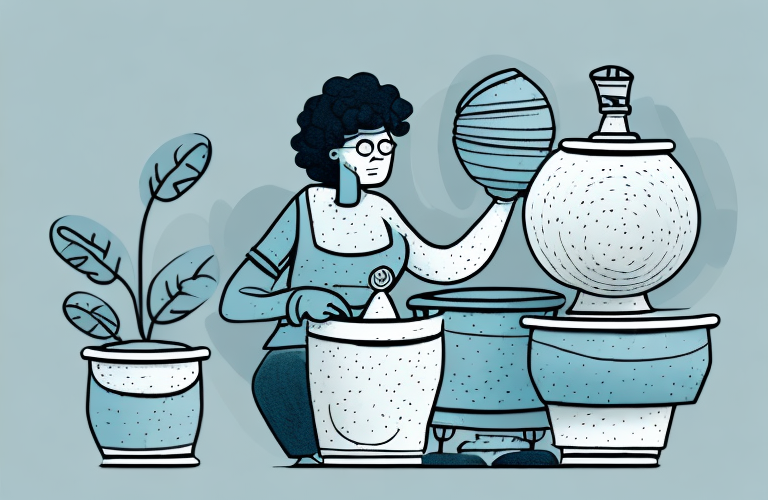
A ceramic maker is a creative individual who forms, glazes, and fires often colorful and unique clay pieces into usable and decorative objects. These ceramic makers, also known as ceramicists, potters, or ceramists, are the skilled individuals who create ceramics from clay, pottery, and porcelain.
Overview of Ceramics
Ceramics are permanent articles made from nonmetallic, inorganic materials that have been fired to be hard and durable. Examples of ceramic materials include clay, glass, stone, pottery, and porcelain. This type of art has been around for thousands of years, with its roots in China, Japan, and other East Asian countries. Nowadays, ceramics are widely used for utilitarian or ornamental purposes—like dishes, vases, garden sculptures, figurines, tiles, and more.
Types of Ceramic Making
Ceramics can be generally divided into three different types: greenware, bisque, and glazed. Greenware is the pre-fired state of the clay that is still soft to the touch and very pliable. Bisque means that the piece has been fired once but is not yet glazed. Glazed pieces are those that have been fired a second time with a thin layer of colored glass-like material. Depending on the desired outcome of the item being created, a ceramic maker will use these three types for different effects.
Ceramic Maker Job Description
Ceramic makers are professional artists who design and create art pieces. They use raw materials such as clay and glazes to create unique and one-of-a-kind pieces. A ceramic maker will typically first design and create a model of the piece they intend to make. Subsequently they use different types of pottery and ceramic equipment to shape, decorate, and glaze the model. Towards the end of the creative process they place the pieces in the kiln for firing to achieve a desired outcome in terms of color and texture.
Requirements to Become a Ceramic Maker
Becoming a professional ceramic maker requires knowledge of the tools and materials used in ceramic making as well as patience and artistic talent. A willingness to study the history of ceramics and practice different techniques is also important for success. Ceramists typically attend dedicated short courses or courses provided by craft centers or colleges. They might also learn on the job by working as an apprentice or participating in internships offered by professional ceramicists.
Different Types of Ceramics
There are numerous techniques used to create ceramics pieces including throwing, handbuilding, casting, carving, and decoration. Throwing refers to forming a shape using a pottery wheel while handbuilding requires creating form by hand with only the use of clay tools. Casting involves pouring liquid clay or a special casting material into a mold to create an exact duplicate, while carving covers creating relief forms and cutting away unwanted parts of the piece. Finally, decoration is an important step which involves using colors and glazes to paint or stain the piece.
Tools and Materials for Ceramic Making
In order to be a successful ceramic maker it is important to familiarize oneself with the tools and materials used for creating ceramics. The main tools are a pottery wheel or handtool set for shaping the clay, kiln for firing the finished product, wedging table for blending colors of clay together, wrapping tools for removing objects from the wheel, texture tools for making detailed patterns on the surface of the piece, glazing brushes and sponges for applying colors to the clay, as well as palette knives for shaping glazes.
Popular Ceramics and Techniques
Popular types of ceramics include sculptural ceramics, vessels, tiles, vases, tableware and other pieces which incorporate decorative arts. Techniques used in Ceramic making can range from dipping or pouring molten raw material into molds to intricate models built from thin coils of clay. Glazing is usually one of the last steps in creating ceramics and can be used to enhance the color or texture of the piece.
History of Ceramic Making
Ceramic making has a very long history going back over 12 000 years ago. The use of clay started out in China a few thousand years bc with potters using simple hand building techniques using Earthenware clay to make everyday domestic items such as plates and pots. Soon after other regions in Europe started using potters wheels to create intricate vessels. Later on ceramic building techniques migrated to other parts of Asia where they were later picked up in America leading to the emergence of the modern ceramic industry.
Benefits of Becoming a Ceramic Maker
Ceramic making can be a highly rewarding profession due to its creative outlet for possible career paths and entrepreneurial opportunities. Ceramic makers get to awaken their creativity every day as no two pieces are ever the same in terms of design and expression. People who are passionate about sculpting intriguing shapes from raw material also find it highly rewarding as each piece represents their own labor of love.
Learning the Craft of Ceramic Making
Without formal instruction or apprenticeship in ceramics it can be difficult to make clay pieces that you will be proud of. A great way to learn is through books which can provide an in-depth introduction on topics such as clay selection, forming techniques, decorating tricks, kiln firing settings, surface treatment techniques and much more. In addition to studying ceramics it’s also important to visit exhibitions or museums regularly to observe respected ceramicists’ works.
Career Opportunities for Ceramic Makers
A successful career as a ceramic maker requires more than mere technical skill it also requires passion and dedication. This passion can lead to numerous opportunities such as turning your ceramic creation into a business by showcasing your work at art galleries or opening an online store. You can also teach classes or become an assistant professor at a college or university. Last but not least you could potentially work in film sets as a prop maker or for museums and other institutions.
In summary, becoming a successful ceramic maker is not an easy task but if you have what it takes it can be a highly rewarding experience! With dedication and time you can hone your skill set so you can confidently create sculptural ceramics with your own unique style.