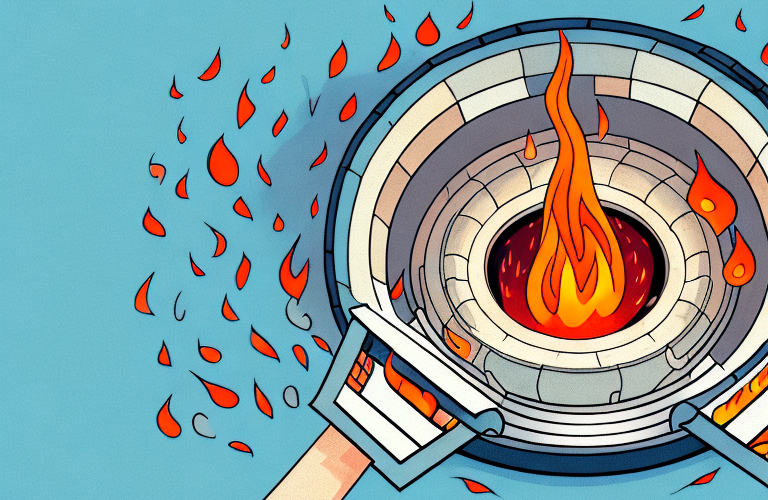

Firing pottery in a kiln is an essential step in creating beautiful, functional pieces. But how many times should a piece be fired in a kiln before it’s finished? The answer depends on the type of pottery and techniques used, but the general rule of thumb is that most pottery requires at least two firings.
What are the Benefits of Firing Pottery in a Kiln?
Kilns are the only tool that can give pottery its signature durability, shape, and color. They offer numerous other benefits as well. Firing in a kiln develops detail and texture, creates permanence, creates unbeatable heat resistance, and anneals glass. In addition, it can help speed up the pottery-making process by reducing drying time.
Kilns also provide a controlled environment for firing pottery, allowing for more consistent results. This is especially important for potters who are creating pieces with intricate designs or complex glazes. By firing in a kiln, potters can ensure that their pieces will come out looking exactly as they intended.
What Pottery Techniques Require Multiple Firing?
The type of pottery technique used determines how many times a piece should be fired. For instance, if the pottery is being sponged, or dipped in glaze, multiple firings are necessary to produce the desired results. In general, throwing and hand-building typically only require one firing, although some complex designs may require a second firing for optimum results.
In addition, some pottery techniques, such as raku, require multiple firings. Raku is a type of pottery that is fired at a lower temperature than other types of pottery. After the initial firing, the pottery is removed from the kiln and placed in a combustible material, such as sawdust, which causes the glaze to crackle. The pottery is then fired again to fix the glaze. This process is repeated multiple times to achieve the desired effect.
What Are the Different Types of Kilns Used for Firing Pottery?
There are several types of kilns used for pottery firing. The most common are electric, propane, and wood-burning kilns, which range in size and features offered. Understanding the potential of any given kiln is essential when deciding how many times to fire a given piece of pottery.
Electric kilns are the most popular type of kiln used for pottery firing. They are relatively easy to use and maintain, and they offer a wide range of temperature settings. Propane kilns are more expensive than electric kilns, but they are more efficient and can reach higher temperatures. Wood-burning kilns are the most traditional type of kiln and are often used for large-scale production. They require more maintenance than electric or propane kilns, but they can produce unique results.
How to Prepare Pottery for Kiln Firing
Pottery must be prepared carefully before it can be fired. The pieces should be completely dry and free of foreign contaminants, such as oils and dirt. It’s also important to use the right type of glaze on the clay before it goes in the kiln; certain glazes can produce very different results, depending on their composition.
Tips for Successful Kiln Firing
For successful kiln firings, it’s important to use firing charts in order to get accurate results. Firing charts help guide the time and temperature needed for optimal firing and advise on any potential problems that may arise from changes in factors such as glaze composition. Additionally, it’s important to use the correct materials for firing and make sure that the kiln is ventilated properly.
Safety Considerations When Using a Kiln
Kiln-firing is an incredibly rewarding process but it’s also important to take safety precautions when using this equipment. Be sure to wear heat-resistant gloves and eyewear, and keep all combustible materials away from the kiln. Additionally, when firing glazed pieces of pottery, it’s important to monitor air quality and keep both the kiln and surrounding areas properly ventilated.
What Are the Benefits of Raku Firing?
Raku firing is a type of pottery-making technique that has its roots in Japan. Though time-consuming and delicate, raku creates captivating effects on pottery pieces and has become increasingly popular with ceramics enthusiasts across the globe. Biscuit fired clay is quickly heated up in a raku kiln and then immediately removed and placed in combustible material or water to achieve unique designs in the glaze. Once cooled, the resulting pieces showcase an array of metallic hues and unique patterns that cannot be achieved in any other way.
Examples of Pottery Fired in a Kiln
Vases, bowls, mugs, plates, tiles, figurines, jewelry — these are just some examples of pieces that can be fired in a kiln. Almost any type of pottery can be fired, but certain pieces may require additional firings due to their complexity or texture. Generally speaking, most ceramic pieces are fired twice at different temperatures so that they can reach their full potential.
In conclusion, most pottery requires at least two firings in a kiln for the desired effects to be achieved. However, the exact number of firings will depend on several factors, including the type of technique used, the type of glaze used, and the precision of the firing schedule. Whichever type of pottery is being made, it will always be imperative to take safety precautions when operating a kiln.