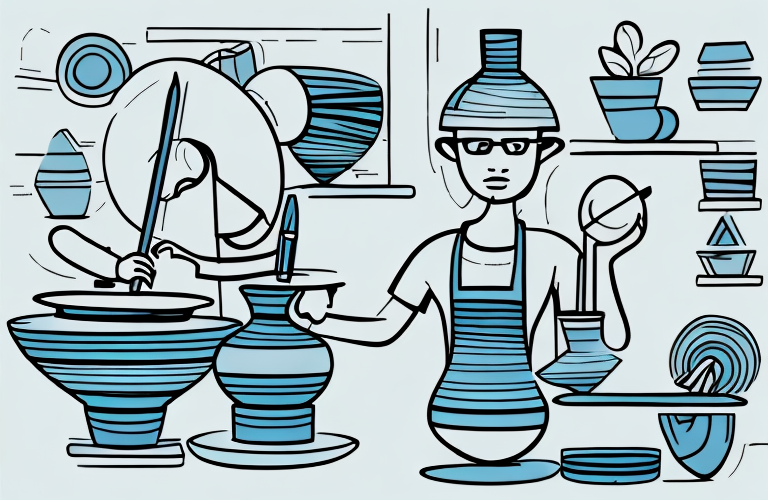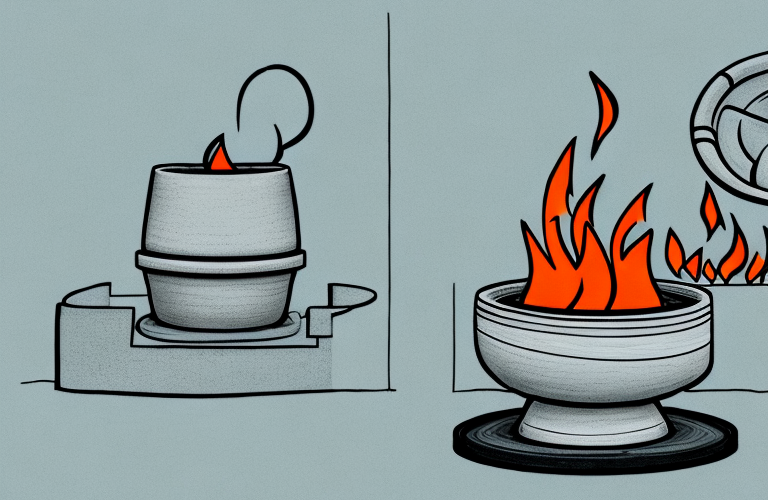
A lot of pottery projects require the high temperatures produced by a kiln to turn clay into durable, long-lasting pieces of art. But is a kiln really necessary for all pottery making? The answer is not always, as there are many ways to make beautiful and interesting pottery without firing it in a kiln.
What is a Kiln?
A kiln is a high-temperature oven used for a variety of ceramic processes, including baking glaze on clay, hardening clay objects, and annealing glass. Kilns typically reach temperatures above 1,000 degrees Fahrenheit (537 Celcius), making them very efficient for firing clay and other materials. Kilns are available commercially, or can be built by hand from brick, steel, or other materials.
Kilns are also used in metalworking, for heat treating metals and alloys. The high temperatures of the kiln allow for the metals to be heated to a point where they can be shaped and hardened. Kilns are also used in the production of charcoal, as the high temperatures allow for the wood to be burned without producing smoke.
Alternatives to Kilns for Pottery Making
For those who don’t have access to a kiln, or don’t want to build one themselves, there are three main techniques for making pottery without heat: no-heat techniques, low temperature techniques, and air-dry clay techniques. First, let’s explore the no-heat techniques.
No-heat techniques involve using a variety of materials to shape and form the clay without the use of heat. This includes techniques such as coiling, pinching, and slab building. These techniques are great for those who are just starting out in pottery making, as they require minimal tools and materials. Additionally, they are a great way to explore the creative possibilities of clay without the need for a kiln.
No-Heat Pottery Techniques
No-heat techniques utilize non-fired methods to create pottery. These techniques include carving, slip casting, and using the potter’s wheel. Carving is an excellent choice for beginners, as it requires no special materials other than your own hands and imagination. Slip casting involves pouring liquid clay into a mold and then allowing it to harden. Finally, the potter’s wheel allows you to create bowls, plates, mugs, and other forms quickly and easily.
Low Temperature Pottery Techniques
For those who want to make more durable pottery, but don’t have access to a kiln, low-temperature firing is a great option. Low-temperature firing uses a special type of clay that is set in an oven or grill at temperatures ranging from 200-500F (93.3-260C). This type of firing is called Raku, and it is most often used to create decorative pieces. Raku pieces are typically bright and highly colored due to the reduction of oxygen during the firing process.
Air-Dry Clay for Pottery Making
Air drying clay is another easy way to make beautiful pottery pieces without a kiln. All that is needed is access to clay and a work area with a good air circulation system. Air dried pottery pieces can be made by hand or with the help of a potter’s wheel or extruder. The pieces are left to dry for several days until they reach the desired hardness and strength. Air dried clay pieces are generally used in decorative applications as they are not as durable as pieces fired in a kiln.
The Pros and Cons of Making Pottery without a Kiln
The main benefit of making pottery without a kiln is that it is typically much more affordable. The materials needed are also more accessible and easy to obtain. Additionally, no-kiln techniques are much more forgiving than traditional kiln firing. On the other hand, pottery made without a kiln typically cannot withstand high temperatures and will not be as durable as kiln fired pieces.
Tips for Successful Hand Building without a Kiln
Making pottery without a kiln can be challenging. Here are some helpful tips for successful hand-building:
- Start with a flat clay slab or pinch pots for easy manipulation.
- Use oil-based clay or water-based clay, depending on the project.
- Pay attention to details when forming the parts as they cannot be altered and reshaped after they air dry.
- Make sure to use a porous surface on which to work so that the clay does not stick.
- Try using simple tools like ribbons, sticks and sponges to achieve the desired effect.
- When using an oven to fire pieces, make sure that it reaches the required heat level before inserting the pieces.
Where to Find Resources for No-Kiln Pottery Making
The internet is an excellent resource for those interested in learning more about no-kiln pottery making. There are many websites dedicated to teaching pottery techniques and offering advice on working with clay without firing it in a kiln. Websites such as Craftsy, YouTube, and Pottery Barn are great places to begin learning about no-kiln pottery making.
Creative Ideas for No-Kiln Pottery Projects
No-kiln pottery projects can range from simple decorative items like picture frames and sculptures to more complex pieces like jewelry boxes and teapots. The possibilities are endless because there are so many different clay and glaze combinations. For inspiration, look up images of no-kiln pottery projects on Pinterest or browse through craft store websites for ideas.
Making pottery without a kiln is not only inexpensive, but also a lot of fun! Whether you’re looking for an exciting hobby or want to develop your artistic skills, no-kiln pottery making has something for everyone to enjoy.