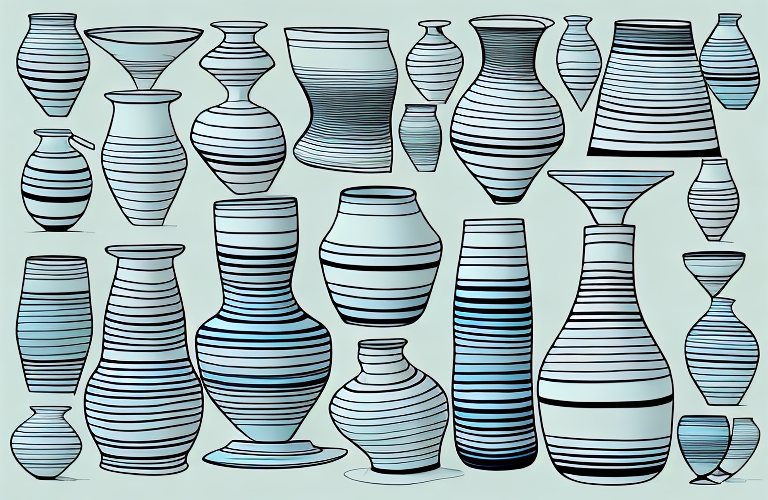
Bisqueware ceramics refers to a type of unfinished, unglazed pottery that is fired once at a high temperature. The term “bisque” comes from the French word for “biscuit,” which describes the dry, hard texture of the pottery after the first firing. Bisqueware pieces can be left in their natural state, or they can be glazed and refired to create a shiny, colorful finish.
The History of Bisqueware Ceramics: Where Did It All Begin?
The origins of bisqueware ceramics can be traced back to ancient civilizations, including the Greeks, Romans, and Egyptians. These cultures discovered that firing clay at high temperatures transformed it into a durable material that could be used to create a wide range of objects, from cooking pots and storage jars to decorative figurines and statues.
In the 18th and 19th centuries, bisqueware ceramics became especially popular in Europe, where it was used to create finely detailed sculptures and decorative objects for the home. Artisans would create exquisitely detailed pieces that were left in their natural, unglazed state, enhancing the beauty of the clay itself.
Today, bisqueware ceramics are still widely used in the creation of decorative objects, as well as functional items such as plates, bowls, and mugs. Modern techniques have allowed for even more intricate designs and patterns to be created on bisqueware, making it a popular choice for artists and designers alike.
One of the benefits of bisqueware ceramics is that it can be painted or glazed after firing, allowing for endless possibilities in terms of color and design. This versatility has made it a favorite among hobbyists and DIY enthusiasts, who enjoy creating their own unique pieces of pottery.
Understanding the Process of Creating Bisqueware Ceramics
Bisqueware ceramics are created through a multi-step process that begins with forming the clay into the desired shape. The clay is then dried and placed in a kiln for its first firing, called the “bisque firing.” During this firing, the clay is heated to a temperature of around 1,000 degrees Celsius, causing the water to evaporate and the molecules of the clay to fuse together.
Once the bisque firing is complete, the pottery is allowed to cool and can be left in its natural state or glazed and refired. If glazed, the piece is coated in a thin layer of liquid glaze and then fired at a lower temperature, around 800 degrees Celsius. This second firing causes the glaze to melt and bond with the surface of the clay, creating a protective and decorative layer.
It is important to note that the type of clay used in creating bisqueware ceramics can greatly affect the final product. Some clays are more porous and absorbent, while others are denser and less absorbent. This can impact the amount of glaze that is absorbed by the clay and the final appearance of the piece. Additionally, the firing process can also impact the final product, with longer firing times resulting in a more durable and stronger piece.
The Differences Between Bisqueware Ceramics and Other Ceramic Styles
One of the main differences between bisqueware ceramics and other ceramic styles is that bisqueware is unglazed and unfinished, while other styles such as stoneware and porcelain are typically glazed and refired multiple times. Bisqueware also tends to have a rougher texture than glazed pottery, making it ideal for decorative pieces that don’t require a smooth finish.
Another key difference between bisqueware and other ceramic styles is the firing temperature. Bisqueware is fired at a much higher temperature than stoneware, for example, giving it a level of durability that makes it ideal for functional pieces such as planters and vases.
Additionally, bisqueware is often used as a base for painting and decorating. The porous surface of bisqueware allows for paint and other decorative materials to adhere easily, making it a popular choice for artists and hobbyists. Bisqueware can also be used for creating custom tiles and other decorative pieces that require intricate designs and patterns.
How to Identify Bisqueware Ceramics: A Guide for Collectors
If you’re a collector of ceramics, it’s important to be able to identify bisqueware pieces. Look for unglazed surfaces that have a rough, slightly porous texture. Bisqueware ceramics are typically lighter in color than glazed pottery, and may have small imperfections or “freckles” on the surface.
Bisqueware pieces may also be stamped or marked with the word “bisque,” or may have a matte finish that distinguishes them from glazed pieces. Collectors should be aware that not all unglazed pottery is bisqueware, and that other styles such as terra cotta and earthenware may have similar characteristics.
One way to determine if a piece is bisqueware is to tap it gently with your fingernail. If it produces a dull, thudding sound, it is likely bisqueware. Glazed pottery, on the other hand, will produce a higher-pitched sound when tapped. Additionally, bisqueware is often used for figurines and dolls, as it allows for intricate details and painting. Keep in mind that bisqueware can be fragile and should be handled with care to avoid chipping or cracking.
The Advantages and Disadvantages of Using Bisqueware Ceramics in Your Home
There are several advantages to using bisqueware ceramics in your home. For one, these pieces have a natural beauty that can enhance the décor of any room. Bisqueware pieces are also often less expensive than glazed pottery, making them a budget-friendly option for those who want to incorporate ceramic pieces into their decorating scheme.
However, there are also some disadvantages to using bisqueware ceramics. Because these pieces are unglazed, they are more porous than glazed pottery and may absorb liquid if used for functional purposes such as holding water. Additionally, bisqueware may be more difficult to clean and may require special care to maintain its natural beauty.
Another disadvantage of using bisqueware ceramics is that they are more fragile than glazed pottery. The lack of glaze makes them more susceptible to chipping and cracking, which can be a concern for those who plan to use them frequently or have children or pets in the home. It is important to handle bisqueware ceramics with care and avoid exposing them to extreme temperatures or sudden changes in temperature, as this can also cause them to crack or break.
The Different Types of Bisqueware Ceramics: From Figurines to Tableware
Bisqueware ceramics come in a wide range of shapes and sizes, from small figurines and decorative objects to larger pieces such as planters and vases. Bisqueware is also commonly used to create tableware such as plates, bowls, and mugs, which can be left in their natural state or customized with a unique glaze or design.
Other popular types of bisqueware ceramics include figurines and statues, which can be highly detailed and intricately crafted. Bisqueware is also often used to create dolls and other toys, because of its soft, tactile texture and natural appearance.
In addition to figurines and tableware, bisqueware ceramics are also used to create a variety of home decor items. These can include wall hangings, candle holders, and even lamps. Bisqueware’s porous texture makes it an ideal material for absorbing and diffusing light, creating a warm and inviting atmosphere in any room.
Another popular use for bisqueware ceramics is in the creation of garden ornaments and outdoor decor. From bird baths to garden gnomes, bisqueware can withstand the elements and add a touch of whimsy to any outdoor space. Its natural, earthy appearance also blends seamlessly with the natural surroundings, creating a harmonious and peaceful atmosphere.
How to Glaze and Fire Bisqueware Ceramics: Tips and Tricks for Beginners
If you’re interested in glazing and firing bisqueware ceramics, there are a few things you should keep in mind. First, be sure to choose a glaze that is compatible with your clay and firing temperature. Next, apply the glaze in thin, even coats, allowing each coat to dry before applying the next.
When firing your bisqueware ceramics for the second time, be sure to follow the instructions for your particular kiln and glaze. Use a low temperature to avoid causing the glaze to bubble or crack, and be sure to monitor the firing process closely to ensure a smooth, even finish.
Another important factor to consider when glazing and firing bisqueware ceramics is the type of finish you want to achieve. Matte, glossy, and textured finishes can all be achieved through different glazing techniques. Experiment with different glazes and application methods to find the perfect finish for your piece.
It’s also important to note that the firing process can affect the color of your glaze. Some glazes may appear one color before firing, but turn out a completely different color after firing. Be sure to test your glazes on small pieces before applying them to your main piece to avoid any unwanted surprises.
The Role of Bisqueware Ceramics in Modern Art and Design
In modern art and design, bisqueware ceramics continue to be a popular choice for artists who want to create pieces that emphasize the natural beauty of clay. Bisqueware is often used to create sculptures and installations that incorporate the texture and earthy tones of unglazed pottery.
Designers also often use bisqueware ceramics to create decorative objects for the home, such as lamps, candle holders, and planters. Bisqueware pieces can be customized with a range of finishes, from simple wax coatings to complex glazes and surface treatments, allowing artists and designers to create truly unique pieces.
One of the benefits of using bisqueware ceramics is that they are more porous than fully glazed pieces, which allows them to absorb moisture and air. This makes them ideal for use as planters, as they can help regulate the moisture levels in the soil and promote healthy plant growth. Additionally, bisqueware ceramics are often more affordable than fully glazed pieces, making them a popular choice for artists and designers who want to create beautiful, high-quality pieces without breaking the bank.
The Importance of Proper Care and Maintenance for Your Bisqueware Ceramics Collection
Bisqueware ceramics require proper care and maintenance to maintain their natural beauty and durability over time. If you’re using bisqueware for functional purposes such as holding water or food, be sure to seal the surfaces with a waterproof coating to prevent liquid from being absorbed into the clay.
Bisqueware pieces should also be cleaned gently using a soft brush or cloth, and should be stored in a cool, dry place away from direct sunlight. Avoid using harsh chemicals or abrasive cleaners on your bisqueware ceramics, as this may damage the delicate surface of the pottery.
With proper care and maintenance, your bisqueware ceramics can provide years of beauty and function, and may even become cherished family heirlooms to pass down to future generations.