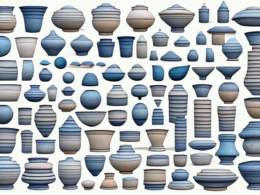
Bisqueware is an intermediate stage of clay that is achieved after the first firing process. In this article, we will explore what bisqueware is, why it is important and the various techniques and tips for creating consistent results with bisqueware. We will also look at the common mistakes to avoid when working with bisqueware pieces and how to decorate and glaze them effectively. Finally, we will also touch on the characteristics, storage, and handling of bisqueware clay.
What is Bisqueware?
Bisqueware is clay that has been fired once at a specific temperature to remove its moisture content and make it hard and durable. This firing process is typically carried out in a kiln at temperatures ranging from 900 to 1100 degrees celsius, depending on the type of clay used. The resulting bisqueware is hard and porous, making it ready for glazing and decorating.
Bisqueware is commonly used in pottery and ceramics as a base for creating decorative and functional pieces. It is often preferred over greenware, which is unfired clay, because bisqueware is less fragile and easier to handle. Additionally, bisqueware can be stored for long periods of time before glazing, allowing artists to work on multiple pieces at once. Once glazed and fired again, the bisqueware becomes a finished ceramic piece that is both beautiful and functional.
The Importance of Bisque Firing
Bisque firing is an important step in pottery making as it ensures that the clay is sturdy enough to withstand the glazing and decorating process that comes next. During this firing process, the clay undergoes a chemical change that causes it to become more resistant to moisture and other external factors that might cause it to break or crack. Additionally, it helps to burn off any remaining impurities and residual carbon in the clay, resulting in stronger and more durable pieces.
Another benefit of bisque firing is that it allows for easier handling of the pottery during the glazing process. Once the clay has been bisque fired, it becomes more rigid and less likely to warp or deform when handled. This makes it easier for the potter to apply glazes and other decorative elements to the piece without worrying about it losing its shape or structure.
It’s important to note that the temperature and duration of the bisque firing process can vary depending on the type of clay being used and the desired outcome. Some potters may choose to bisque fire their pieces multiple times to achieve a specific effect or to ensure that the clay is fully cured. Regardless of the approach taken, bisque firing is a crucial step in the pottery making process that helps to ensure the longevity and durability of the finished product.
Bisqueware Techniques for Beginners
For beginners, there are several techniques that one can use to create beautiful bisqueware pieces. These include the use of molds, hand building, and throwing on the potter’s wheel. When making bisqueware pieces, it’s important to ensure that the clay is evenly compressed and shaped to suit the desired design. After molding or sculpting the clay, it’s advisable to let it dry completely before firing it in the kiln to prevent cracking or warping during the firing process.
Another important technique for beginners is glazing. Glazing is the process of applying a layer of liquid glass to the bisqueware piece before firing it in the kiln. This not only adds a decorative finish to the piece, but also makes it more durable and resistant to water and other elements. It’s important to choose the right glaze for your piece, as different glazes can produce different effects and colors. It’s also important to apply the glaze evenly and carefully, as any missed spots or drips can affect the final outcome of the piece.
How to Bisque Fire Clay Correctly
When bisque firing clay, it’s important to ensure that the temperature is set correctly and that the pieces are loaded in the kiln in the right way. The kiln should be preheated to the desired temperature before loading the bisque pieces, which should be placed on their sides or placed in a vertical position to allow for air circulation. The firing process should be closely monitored to ensure that the temperature remains constant, and the pieces should be allowed to cool slowly to prevent warping or cracking.
Another important factor to consider when bisque firing clay is the type of clay being used. Different types of clay have different firing temperatures and requirements, so it’s important to research and understand the specific needs of the clay being used. Additionally, it’s important to properly prepare the clay before bisque firing by allowing it to dry completely and removing any excess moisture or air pockets.
After bisque firing, the clay pieces can be glazed and fired again to achieve the desired finish. It’s important to choose the right glaze for the clay being used and to apply it evenly to avoid any drips or bubbles. The glaze firing process should also be closely monitored to ensure that the temperature remains constant and the pieces are not over or under fired.
Tips for Achieving Consistent Results with Bisqueware
Achieving consistent results with bisqueware requires practice, patience, and attention to detail. To get the most out of your bisqueware pieces, it’s important to use high-quality clay, maintain a steady firing temperature, and allow sufficient soaking time after reaching the desired temperature. Additionally, it helps to use uniform glazing techniques to achieve a consistent finish on your pieces.
Another important factor to consider when working with bisqueware is the humidity level in your workspace. If the air is too dry, the clay can become brittle and crack during firing. On the other hand, if the air is too humid, the clay may not dry properly and can warp or crack during firing. It’s important to maintain a consistent humidity level in your workspace to ensure the best results with your bisqueware pieces.
Common Mistakes to Avoid when Working with Bisqueware
When working with bisqueware, there are several common mistakes that you should avoid to ensure that your pieces remain durable and beautiful. These include overloading the kiln, using inappropriate firing temperatures, and failing to dry the pieces completely. Additionally, it’s important to avoid glazing too heavily or too thinly, as this can result in uneven or blotchy finishes on your pieces.
Another common mistake to avoid when working with bisqueware is not properly cleaning the pieces before firing. Any dust or debris left on the surface can cause imperfections in the final product. It’s also important to handle the pieces carefully, as bisqueware can be fragile and easily breakable.
Finally, it’s important to consider the type of clay used to make the bisqueware. Different types of clay have different properties and require different firing temperatures and techniques. It’s important to research and understand the specific clay you are working with to ensure the best results.
Decorating Techniques for Bisqueware Pieces
There are many decorating techniques that can be used to create stunning bisqueware pieces, including painting, sgraffito, carving, and applique. When decorating bisqueware, it’s important to select a suitable glaze that complements the piece’s design and to apply it evenly and smoothly. Additionally, it helps to use high-quality brushes and tools to get the most out of your decorating process.
One popular technique for decorating bisqueware is called mishima, which involves carving a design into the surface of the piece and then filling it with a contrasting colored slip. This technique creates a beautiful, intricate design that adds depth and texture to the piece. Another technique is called resist, where a design is drawn onto the bisqueware using a wax or latex resist, and then the piece is dipped into a glaze. The areas covered by the resist will not be glazed, creating a unique and interesting design.
When using any of these techniques, it’s important to take your time and work carefully. Bisqueware is delicate and can easily be damaged, so it’s important to handle it with care. Additionally, it’s a good idea to practice on a small piece or test tile before attempting to decorate a larger, more complex piece. With patience and practice, you can create beautiful, one-of-a-kind bisqueware pieces that are sure to impress.
Understanding the Characteristics of Bisqueware Clay
Like all types of clay, bisqueware clay has unique characteristics that make it suitable or unsuitable for specific projects. Generally, bisqueware clay is harder and more durable than ordinary clay, making it ideal for creating decorative or functional pieces that are meant to last. It’s also more porous, which makes it perfect for glazing and decorating. However, it can be more challenging to work with than other types of clay, particularly for beginners.
Pros and Cons of Using Bisqueware in Pottery Making
Bisqueware has several advantages and disadvantages when used in pottery making. On the one hand, bisqueware products are hard, sturdy, and porous, making them ideal for glazing and decoration. Additionally, they can be stored for long periods without losing their quality. On the other hand, bisque firing can be time-consuming, and mistakes made during the process can be costly in terms of time, effort, and resources. Additionally, bisqueware pieces are prone to cracking and warping if not carefully handled and stored.
The Role of Glazing in Enhancing Bisqueware Pieces
Glazing is a critical step in the decorating process of bisqueware pieces. It helps to protect the pieces while improving their appearance and durability. When glazing bisqueware, it’s important to select a suitable glaze that complements the piece’s design and ensures that it is applied evenly and smoothly. Glazing can be done using several techniques, including brushing, spraying, immersion, and pouring.
How to Store and Handle Bisqueware Pieces Safely
Storing and handling bisqueware pieces require attention to detail to prevent damage or breakage. When storing bisqueware pieces, it’s important to ensure that they are kept in a cool, dry place to prevent moisture and humidity from damaging them. Additionally, they should be handled with care and stored upright to prevent warping or cracking. When transporting bisqueware pieces, it’s advisable to use sturdy boxes or crates lined with protective materials to prevent possible breakage.
Conclusion
Understanding the bisqueware stage of clay is essential for all pottery makers. By following these techniques and tips, you can create beautiful bisqueware pieces that are durable, functional and visually appealing. Additionally, it’s important to choose high-quality clay and glazes, carefully monitor the firing process, and practice safe storage and handling to keep your pieces in top condition for years to come.