
Bubble glaze is a stunning technique that can add a touch of unique and artistic flair to any home decor. Its origins can be traced back to ancient China where it was known as Ju Ware. The process of creating bubble glaze involves mixing different compounds together to create a reactive surface that bubbles up during firing, resulting in a one-of-a-kind design. In this article, we’ll take a closer look at the history, science, and artistic possibilities of bubble glaze, as well as how to prepare and maintain your surfaces for lasting beauty.
The History and Origins of Bubble Glaze
As previously mentioned, bubble glaze has been around for a long time, with its origins dating back to ancient China. The technique was later adopted by Korean potters during the Goryeo Dynasty, and it eventually made its way to Japan, where it became known as the Tenmoku glaze. The unique and unpredictable patterns created by bubble glaze were highly prized and quickly became a symbol of status and wealth. Today, bubble glaze has become a popular choice for artists and designers looking to create distinctive and visually striking pieces that showcase the beauty of ceramic art.
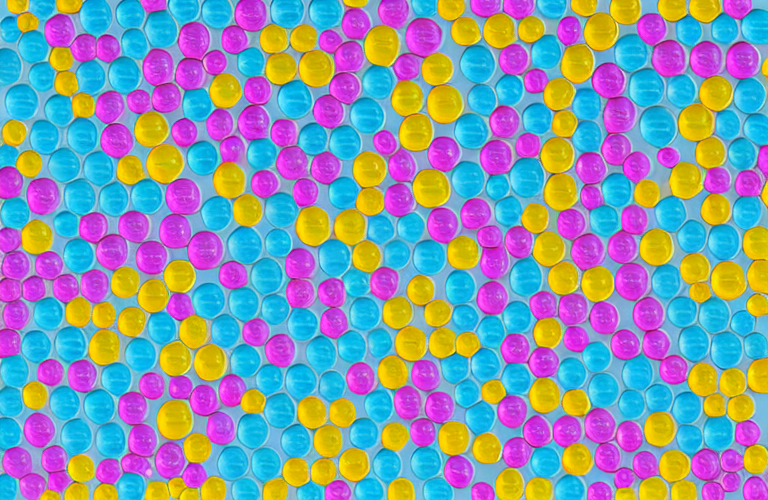
One of the reasons why bubble glaze has remained popular throughout the centuries is its ability to create a sense of depth and movement on the surface of the ceramic. The bubbles in the glaze create a three-dimensional effect that can be mesmerizing to look at. Additionally, the colors and patterns created by bubble glaze can vary widely depending on the firing temperature, the type of clay used, and the composition of the glaze itself.
While bubble glaze is often associated with traditional pottery, it has also found its way into contemporary art and design. Many modern artists and designers are experimenting with bubble glaze to create unique and innovative pieces that push the boundaries of what is possible with ceramic art. Whether used in functional objects like bowls and vases or in purely decorative pieces, bubble glaze continues to captivate and inspire artists and collectors alike.
The Science Behind Bubble Glaze
The chemistry of bubble glaze is quite complex, and requires a certain level of expertise and precision to achieve the desired results. The basic formula typically involves mixing silica, alumina, and flux materials such as soda ash or calcium oxide, along with various coloring agents. When heated to the necessary temperature, the flux material melts and reacts with the other compounds, producing a bubbly surface that is completely unique to each piece. Because of the complex interactions between the different elements, it’s important to use high-quality materials and carefully measure out the ingredients to ensure consistent and beautiful results.
One of the challenges of working with bubble glaze is achieving the right consistency. If the mixture is too thick, it won’t produce enough bubbles, while if it’s too thin, the bubbles may be too small or not form at all. Additionally, the firing process must be carefully controlled to ensure that the glaze doesn’t run or drip off the piece, which can ruin the final product.
Despite the challenges, bubble glaze is a popular choice among ceramic artists and enthusiasts because of its unique and unpredictable results. Each piece is truly one-of-a-kind, with its own distinct pattern of bubbles and colors. Whether used on functional pieces like mugs and bowls, or purely decorative pieces like vases and sculptures, bubble glaze adds a touch of whimsy and personality to any ceramic creation.
Choosing the Right Materials for Bubble Glaze Designs
If you’re interested in trying your hand at bubble glaze, it’s important to choose the right materials to ensure the best possible results. This means selecting high-quality clay that is suitable for the firing method you plan to use, as well as purchasing flux materials and colorants from a reputable supplier. You’ll also want to make sure you have the proper tools and equipment, such as a kiln and suitable firing racks, to ensure even and consistent heating throughout the firing process. A little bit of experimentation can go a long way in finding the perfect combination of materials and techniques that work best for your specific project or design.
When it comes to selecting the right clay for bubble glaze designs, it’s important to consider the firing temperature and the type of glaze you plan to use. Some clays may not be suitable for high-temperature firing, while others may not work well with certain types of glazes. It’s also important to consider the texture and color of the clay, as this can affect the final appearance of the piece.
In addition to selecting the right materials, it’s important to follow proper safety procedures when working with bubble glaze. This includes wearing protective gear, such as gloves and a respirator, and ensuring proper ventilation in your workspace. It’s also important to carefully follow instructions for mixing and applying the glaze, as well as for firing and cooling the piece to prevent cracking or other damage.
Preparing Your Surface for Bubble Glaze: Tips and Tricks
Before you can start applying your bubble glaze, it’s important to prepare your surface properly to ensure a smooth and even application. This means thoroughly cleaning and drying your piece to remove any dirt, dust or debris that could interfere with the adhesion and bubbling of the glaze. Some artists also recommend sanding or roughing up the surface slightly to create greater surface area for the glaze to adhere to. Once your surface is properly prepped, you’re ready to start applying your bubble glaze and experimenting with different color combinations and designs.
It’s important to note that the thickness of your bubble glaze application can also affect the final result. Applying a thin layer of glaze will result in smaller bubbles, while a thicker layer will create larger bubbles. Additionally, the temperature and humidity of your workspace can also impact the bubbling effect of the glaze. It’s recommended to work in a cool, dry environment to achieve the best results. With these tips in mind, you can create stunning and unique pieces using bubble glaze.
Step-by-Step Guide to Creating Stunning Bubble Glaze Designs
Creating beautiful bubble glaze designs requires a careful and methodical approach that involves many processes and steps. Here’s a brief overview of the basic steps involved in creating bubble glaze designs:
- Prep your surface by cleaning, drying, and possibly sanding or roughing up the surface slightly to create greater surface area for the glaze to adhere to.
- Mix together your ingredients, including silica, alumina, flux materials, and coloring agents. Carefully measure out your ingredients to ensure accurate and consistent results.
- Apply your bubble glaze to your prepared surface, either by brushing, dipping or spraying the glaze on. Be sure to wear gloves and work in a well-ventilated area to minimize exposure to harmful materials.
- Fire your piece in a kiln at the appropriate temperature and for the required amount of time. This will depend on the specific materials and firing method you’re using, so be sure to follow the manufacturer’s instructions carefully.
- Allow your piece to cool, then inspect your finished product to evaluate the results and experiment with different techniques or materials to achieve the perfect look for your piece.
Once you have mastered the basic steps of creating bubble glaze designs, you can start experimenting with different techniques to create unique and stunning designs. One technique is to layer different colors of glaze on top of each other to create a multi-dimensional effect. Another technique is to use a resist material, such as wax or tape, to create patterns or designs on the surface of your piece before applying the glaze.
It’s important to note that creating bubble glaze designs can be a time-consuming and delicate process. It may take several attempts to achieve the desired results, and even then, there may be some variation in the finished product. However, with patience and practice, you can create beautiful and unique pieces that are sure to impress.
Experimenting with Different Color Combinations for Unique Bubble Glaze Designs
One of the most exciting things about bubble glaze is the sheer variety of designs and patterns that can be created by experimenting with different color combinations, materials, and techniques. Whether you’re going for a subtle and nuanced effect or a bold and dramatic statement piece, bubble glaze offers endless possibilities for customization and personalization. Some popular color combinations include deep blues and greens, warm oranges and reds, or even bright and vibrant rainbow hues. Don’t be afraid to try different combinations and see what works best for your specific project or design.
Maintaining and Cleaning Your Bubble Glaze Surfaces
Once you’ve created your beautiful bubble glaze design, it’s important to take proper care of your surfaces to ensure their lasting beauty and durability. This means avoiding exposure to heat, moisture, or harsh chemicals that could damage the glaze or cause it to fade over time. Regular cleaning with a mild soap and water solution is usually sufficient to keep your surfaces looking their best, but be sure to avoid using abrasive cleaners or scrubbers that could scratch the surface. By taking proper care of your bubble glaze surfaces, you can enjoy the beauty and uniqueness of these stunning designs for many years to come.
Using Bubble Glaze in Various Home Decor Projects
The beauty and versatility of bubble glaze make it a popular choice for a wide variety of home decor projects. From vases and bowls to picture frames and wall art, these unique and artistic designs can add a touch of personality and style to any room. Bubble glaze can also be used in larger-scale applications such as tile work or backsplashes, creating a stunning visual statement that can transform the look and feel of any space. Whether you’re a professional artist or a DIY enthusiast, the possibilities for using bubble glaze in home decor projects are truly endless.
Inspiring Examples of Bubble Glaze Designs in Home Interiors
If you’re looking for inspiration on how to incorporate bubble glaze designs into your home decor, there are many stunning examples to draw from. From modern and minimalist to traditional and rustic, there’s no shortage of ways to showcase the beauty and uniqueness of these designs. Some popular applications include using bubble glaze vases or bowls as statement pieces on a coffee table, incorporating bubble glaze tiles into a kitchen backsplash or bathroom shower, or using bubble glaze picture frames to showcase your favorite artwork or family photos. With a little bit of creativity and experimentation, you can transform any room in your home with the beauty and inspiration of bubble glaze designs.