Glaze firing is a crucial process in pottery making. It not only protects the pottery from damage, but also gives it a polished finish. Achieving a perfect glaze finish takes time, patience, and attention to detail. In this guide, we will cover all the basics of glaze firing, from choosing the right glaze to post-firing techniques.
Understanding the Basics of Glaze Firing
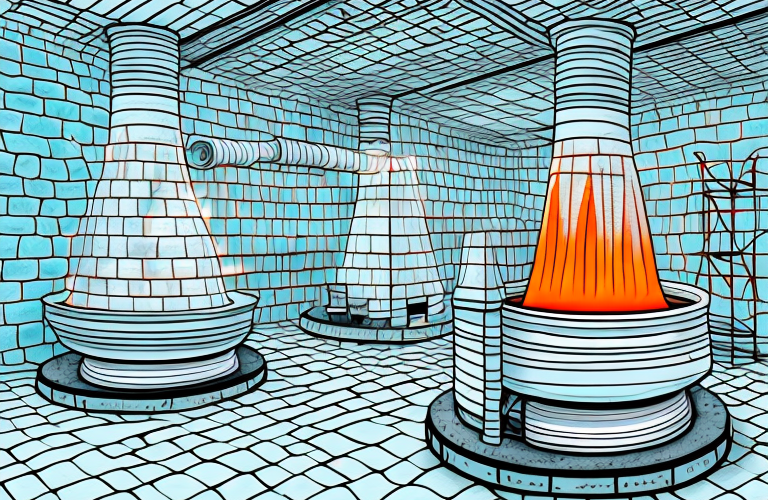
Glaze firing is the process of heating pottery in a kiln to a high temperature, causing the glaze to melt and fuse onto the pottery. The glaze is made up of various minerals and chemicals that interact with each other during firing to form a glasslike coating on the pottery. Glaze firing is a complex process that involves numerous factors, such as temperature, time, and atmosphere. Understanding these factors is essential to achieving a perfect glaze finish.
One important factor to consider during glaze firing is the cooling process. Rapid cooling can cause the glaze to crack or craze, while slow cooling can result in a dull finish. It is important to follow a specific cooling schedule, known as the cooling curve, to ensure the glaze sets properly. Additionally, the type of kiln used can also affect the glaze finish. Electric kilns provide a more consistent temperature, while gas kilns can produce unique effects due to variations in temperature and atmosphere. By understanding these factors and experimenting with different techniques, potters can achieve a wide range of beautiful and unique glaze finishes.
Choosing the Right Glaze for Your Pottery
Choosing the right glaze is vital for achieving the desired finish on your pottery. There are numerous types of glazes available, each with its own unique properties and characteristics. The type of clay, the shape of the pottery, and the intended use of the piece all play a role in determining the type of glaze to use. It’s always best to experiment with different glazes to find the one that works best for your pottery.
One important factor to consider when choosing a glaze is the firing temperature. Different glazes have different firing temperatures, and it’s important to choose a glaze that is compatible with the firing temperature of your clay. If the glaze is fired at too high or too low of a temperature, it may not adhere properly to the clay or may not achieve the desired finish.
Another consideration when choosing a glaze is the level of toxicity. Some glazes contain harmful chemicals that can be dangerous if not handled properly. It’s important to research the ingredients of the glaze and take appropriate safety precautions when using it. Additionally, some glazes may not be food-safe, so it’s important to choose a glaze that is appropriate for the intended use of the pottery.
Preparing Your Pottery for Glazing
Before applying glaze to your pottery, it’s essential to ensure that it’s clean and free of any dust, dirt, or oils. Any impurities on the surface of the pottery can affect the adhesion and appearance of the glaze. One effective way to prepare your pottery is to wipe it down with a damp sponge or cloth. Additionally, it’s a good practice to let your pottery dry completely before applying the glaze.
Another important step in preparing your pottery for glazing is to inspect it for any cracks or chips. These imperfections can cause the glaze to pool or run, resulting in an uneven finish. If you find any cracks or chips, it’s best to repair them before applying the glaze.
It’s also important to consider the type of glaze you’ll be using and the firing temperature required. Some glazes may require a higher firing temperature, which can affect the type of clay you use and the overall design of your pottery. Make sure to research and understand the specific requirements of your chosen glaze before applying it to your pottery.
Applying Glaze to Your Pottery
When applying glaze to your pottery, it’s crucial to apply it in thin, even coats. Using a brush or spray gun can help you achieve this. The number of coats of glaze you apply will depend on the type of glaze and the desired finish. It’s also essential to ensure that the glaze is completely dry before firing your pottery. Any moisture in the glaze can cause it to bubble or blister during firing, leading to an uneven finish.
Another important factor to consider when applying glaze to your pottery is the temperature at which you fire it. Different types of glazes require different firing temperatures, and it’s important to follow the manufacturer’s instructions carefully. Firing your pottery at too high or too low a temperature can cause the glaze to melt unevenly or not adhere properly to the surface of the pottery. Additionally, it’s important to allow your pottery to cool slowly after firing to prevent cracking or other damage to the glaze or the pottery itself.
Tips for Achieving a Uniform Glaze Coat
Achieving a uniform glaze coat is essential for a polished finish. One effective technique to achieve this is to alternate the direction of brush strokes with each coat. This will help ensure that the glaze is applied evenly and smoothly. Additionally, it’s essential to make sure that the glaze doesn’t pool or drip during application, as this can lead to an uneven finish.
Another tip for achieving a uniform glaze coat is to use a high-quality brush. A brush with soft, fine bristles will help to distribute the glaze evenly and prevent streaks or brush marks. It’s also important to apply the glaze in thin, even layers, allowing each layer to dry completely before applying the next. This will help to build up a smooth, consistent finish. Finally, be sure to follow the manufacturer’s instructions for the specific glaze you are using, as different types of glazes may require different application techniques.
Understanding the Firing Process
The firing process is the most critical aspect of glaze firing. The temperature and atmosphere inside the kiln are crucial factors that can affect the quality of the glaze finish. The firing process can be divided into three stages: drying, bisque firing, and glaze firing.
The first stage of the firing process is drying. During this stage, the moisture in the clay and glaze is removed slowly to prevent cracking and warping. It is important to ensure that the kiln is not heated too quickly during this stage, as it can cause the moisture to evaporate too quickly and damage the piece.
The second stage is bisque firing, which is done at a lower temperature than the glaze firing. This stage is important because it strengthens the clay and prepares it for the glaze. Bisque firing removes any remaining moisture and organic materials from the clay, making it more porous and receptive to the glaze.
Loading Your Pottery into the Kiln
When loading your pottery into the kiln, it’s essential to space the pieces out evenly to ensure proper heating and ventilation. It’s also critical to consider the placement of the pottery in the kiln, as this can affect the temperature and atmosphere around each piece. Loading the pottery onto shelves, using stilts or posts, can also help prevent it from sticking to the kiln floor during firing.
Another important factor to consider when loading your pottery into the kiln is the size and shape of each piece. It’s best to group similar-sized pieces together to ensure even heating and to avoid over-firing smaller pieces. Additionally, if you have pieces with delicate or intricate details, it’s important to place them in a spot where they won’t be bumped or jostled during the firing process. Taking the time to carefully plan and arrange your pottery before loading it into the kiln can help ensure successful firing and beautiful finished pieces.
Firing Techniques for Different Types of Glaze
Different types of glazes require different firing techniques to achieve the desired finish. Some glazes require slow, gradual heating, while others require fast, high-temperature firing. The type of kiln you’re using can also affect firing techniques, as electric kilns operate differently than gas-fired kilns. Experimenting with different firing techniques and keeping consistent firing records is critical for achieving a perfect glaze finish.
How to Maintain Consistent Heat During Firing
Maintaining consistent heat during firing is crucial for a perfect glaze finish. Temperature fluctuations, even for a short time, can cause cracks or blisters in the glaze. It’s essential to use a reliable kiln thermometer and to record the temperature throughout the firing process. Additionally, using the right amount and type of fuel, and keeping the kiln well-insulated can help maintain consistent heat during firing.
Common Issues and How to Troubleshoot Them
Glaze firing can be a complex process, and several issues can occur, such as cracking, blistering, or crawling of the glaze. One effective way to troubleshoot these issues is to keep a record of your firing process, including the type of glaze, the firing technique, and the temperature. This will help you identify and correct any issues that arise during firing.
Post-Firing: Cleaning and Finishing Techniques
After firing, it’s essential to clean your pottery and remove any residue or excess glaze. One effective way to clean your pottery is to soak it in warm water and gently scrub it with a soft-bristled brush. Additionally, polishing or buffing your pottery can help achieve a more polished finish. It’s essential to handle your pottery with care after firing, as it can be fragile and susceptible to damage.
Achieving Glossy, Matte, and Textured Finishes with Glaze
Glaze firing offers a range of finishes, from glossy to matte to textured. Achieving the desired finish depends on the type of glaze and the firing technique used. Glossy finishes can be achieved by firing at high temperatures, while matte and textured finishes can be achieved by lower temperature and prolonged firing. Experimenting with different glazes and techniques can help achieve the desired finish.
Safety Precautions to Take When Glaze Firing
Glaze firing can be hazardous due to high temperatures and potentially toxic fumes. It’s essential to follow safety precautions when glaze firing, such as using protective gear like gloves, glasses, and masks when handling glazes and machinery. It’s also crucial to ensure proper ventilation in the firing area and to follow the manufacturer’s guidelines for the kiln and glazes used.
In conclusion, achieving a perfect glaze finish takes time, patience, and attention to detail. It’s essential to understand the basics of glaze firing, from choosing the right glaze to post-firing techniques. With the right equipment, technique, and experimentation, a perfect glaze finish is within reach.