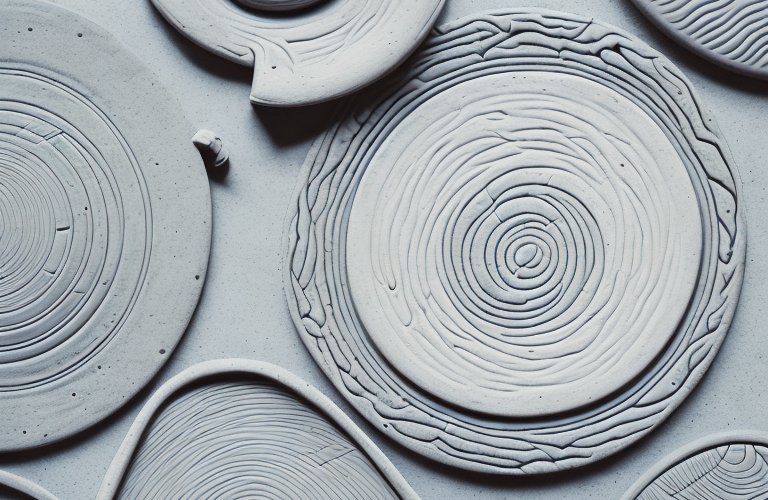
Pottery making is a timeless art form that creates functional and decorative pieces using a range of techniques. From high-heat firing methods to decorative details, ceramic pottery techniques are used to make everything from dishes to sculptures. In this article, we will explore the different ceramic techniques used for making pottery and provide step-by-step guidance for creating your own unique pieces.
Types of Ceramic Techniques
Ceramic pottery techniques are divided into two broad categories: forming techniques, which are used to shape the clay and finishing techniques, which are used to give the piece decorative detail. Forming techniques include slip casting, handbuilding, and throwing on the wheel. Finishing techniques include glazing, carving and painting.
Slip casting is a forming technique that involves pouring liquid clay, or slip, into a plaster mold. Handbuilding is a forming technique that involves using tools to shape the clay by hand. Throwing on the wheel is a forming technique that involves using a pottery wheel to shape the clay. Glazing is a finishing technique that involves applying a glass-like coating to the clay. Carving is a finishing technique that involves using tools to create decorative patterns in the clay. Painting is a finishing technique that involves using paint to decorate the clay.
Step-by-Step Guide to Ceramic Pottery Making
The process of design and creating a ceramic piece begins with preparing the clay in a process called wedging. This helps to ensure that there are no air bubbles or hard chunks in the clay. Once you have the clay ready, it’s time to shape it using one of the various forming techniques: slip casting, handbuilding, or throwing on the wheel.
Slip casting involves pouring liquid clay into a plaster mold and allowing it to harden. Handbuilding is a more traditional method of forming clay by hand, using tools such as a rolling pin, rib, and knife. Throwing on the wheel is a more advanced technique that requires a pottery wheel and a lot of practice. Once the desired shape is achieved, the piece is left to dry before it is fired in a kiln.
Slip Casting
Slip casting is a common technique for creating multiples of a single design. The process starts by creating a plaster master form. Next, liquid clay is poured into the mold and allowed to dry. Once it is fully dry, the mold is removed and the piece can be further refined and finished.
The slip casting process is often used to create ceramic pieces such as mugs, plates, and figurines. It is also used to create other objects such as jewelry, buttons, and even small sculptures. The process is relatively simple and can be used to create a variety of objects with a consistent shape and size.
Handbuilding
Handbuilding is the process of using your hands to shape the clay. These techniques include pinching, coiling, solid forming and slab building. The advantage of this technique is that you can create any shape or form you desire without having to use an external mold. It is often used for individual pieces and for larger ceramic sculptures.
Throwing on the Wheel
Throwing on the wheel is one of the most difficult and intricate techniques for making pottery. This technique requires a spinning wheel and clay that is soft enough to be easily manipulated. It is also one of the fastest techniques so it is often used by professional potters. Once the desired shape is created, the piece must be left to dry before any further work can be done.
Glazing and Firing Techniques
Once a piece is shaped and dried, it’s time to finish it with a layer of glaze. Glaze acts both as an aesthetic finishing element and serves an important technical role as it seals the piece and make it water-resistant. Once the glaze has been applied, the piece must then be fired. Firing makes the piece strong and durable. There are two main firing techniques: low-fire (bisque firing) and high-fire (glaze firing).
Decorative Techniques for Ceramic Pottery
The addition of decorative details can take a piece from basic to eye-catching. This includes details such as carvings, incisions, and paintings. Advanced decorative techniques include sgraffito, scratching away parts of the glaze to reveal different colors underneath; marbling, which involves blending two colors together; and mokume gane, which involves layering different clays together to create a marbled effect.
Tips for Creating Unique Designs with Ceramic Pottery
Creating unique designs with ceramic pottery requires patience and creativity. Use unusual shapes or color combinations to create something that stands out. Be creative with textures and apply decorative details that have personal meaning to you. When experimenting with new designs, it can help to have a sketch or drawing of what you are trying to create. Try multiple approaches until you are happy with the outcome.
Benefits of Utilizing Ceramic Pottery Techniques
Ceramic pottery techniques offer an effective way to create unique pieces that are both functional and beautiful. It allows for creativity in both design and shape, which makes it an enjoyable process for all level potters. In addition to being aesthetically pleasing, ceramic pottery is also strong and durable, making it the perfect choice for everyday objects.