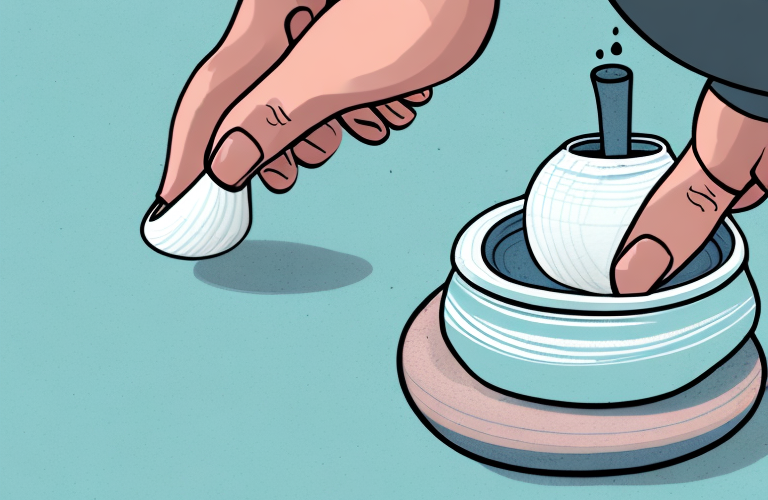


Pottery is an ancient art form, with vessels dating back to around 10,000 BC. Not only is pottery a vital part of many cultures, but it is also incredibly diverse and versatile, with each type of pottery having its own distinct characteristics. In this article, we will explore the four main types of pottery: earthenware, stoneware, porcelain, and bone china.
History and Origins of Pottery
The earliest known instance of pottery was found in Japan and dates back to 10,000 BC. Since then, pottery has been used for a variety of purposes, from decorative and functional vessels, to sculptures. Early pieces were made using a wedge technique and it wasn’t until around 4000BC that kilns began to be used to fire them. One of the most popular uses of pottery over the years has been for food storage and cooking vessels.
Pottery has been used in many cultures throughout history, with some of the most famous examples coming from Ancient Greece and Rome. In more recent times, pottery has been used to create decorative items such as vases, plates, and figurines. Pottery is still a popular art form today, with many people creating their own pieces in their homes or taking classes to learn the craft.
Types of Pottery by Form and Function
The four main categories of pottery are earthenware, stoneware, porcelain, and bone china. Each type of pottery has its own distinct characteristics and uses. Earthenware is the most common type of pottery and is typically lightweight and porous. It is usually fired at a lower temperature and can be glazed. Stoneware is more durable than earthenware and fired at a higher temperature. It is usually thick and heavy and ideal for functional items like dishes and mugs. Porcelain is made from white clay and is fired at a higher temperature than other types of clay. It is known for its smooth white surface and delicate shape. Finally, bone china is a type of porcelain made with bone ash that is fired at an even higher temperature than other types of pottery. It is strong and chip-resistant and has a subtle translucence.
Pottery is a versatile art form that can be used to create a variety of decorative and functional items. From vases and bowls to mugs and plates, pottery can be used to create beautiful pieces that can be used in the home or given as gifts. Pottery is also a great way to express creativity and explore different techniques and styles. Whether you are a beginner or an experienced potter, there is something for everyone to enjoy.
Decorative Techniques Used in Pottery Making
Putting the finishing touches on a piece of pottery can turn an otherwise mundane object into something truly special. Decorative techniques used in pottery making can range from intricate glazing techniques to detailed painting or engraving. Glazing techniques can include adding textures or colors to the surface of the finished piece, while painting or engraving can bring elements of a design to life.
In addition to glazing and painting, potters can also use a variety of other techniques to decorate their pieces. These techniques can include carving, stamping, and inlaying. Carving can be used to create intricate patterns or designs on the surface of the pottery, while stamping can be used to add a unique texture or pattern. Inlaying can be used to add a variety of materials, such as stones, shells, or glass, to the surface of the pottery.
Glazing and Firing Techniques for Pottery
After the final decorative touches are complete, the pottery is ready to be fired and glazed. The firing process is what gives the piece its final shape, hardness, and strength. Glazing can be used to give pottery a glossy finish as well as additional layers of protection against wear-and-tear. Different firing temperatures are used when firing different types of pottery, with earthenware being the least and bone china being the most.
The glazing process involves applying a thin layer of liquid glaze to the pottery and then firing it in a kiln. The glaze melts and forms a glass-like coating that seals the pottery and gives it a glossy finish. Different glazes can be used to create different colors and textures. Glazing also helps to protect the pottery from scratches and other damage.
Tools of the Trade for Pottery Making
Pottery making is a craft that involves a number of tools and materials. From the basic wheel throwing tools like a clay knife and trimming tools to more complicated tools like pug mills and extruders, potters have all kinds of tools at their disposal. Other materials needed to make pottery can include extra clay for repairs or clay slurry for slip casting.
Inspiration Behind Different Types of Pottery
While the functional aspects of pottery are key, it is also an art form. Potters often draw inspiration from the natural world around them or traditional designs seen in cultures all over the world. Floral motifs, geometric designs, and classic shapes are all frequently seen in pottery pieces.
Resources To Learn More About Pottery
Having read this article, you may want to learn more about pottery and how to make it yourself. There are many resources available to help you on this journey, from books about techniques for wheel throwing and handbuilding pottery, to categories about the science behind firing techniques. You may also want to look into finding a local pottery class or workshop to get practical guidance from an expert.