
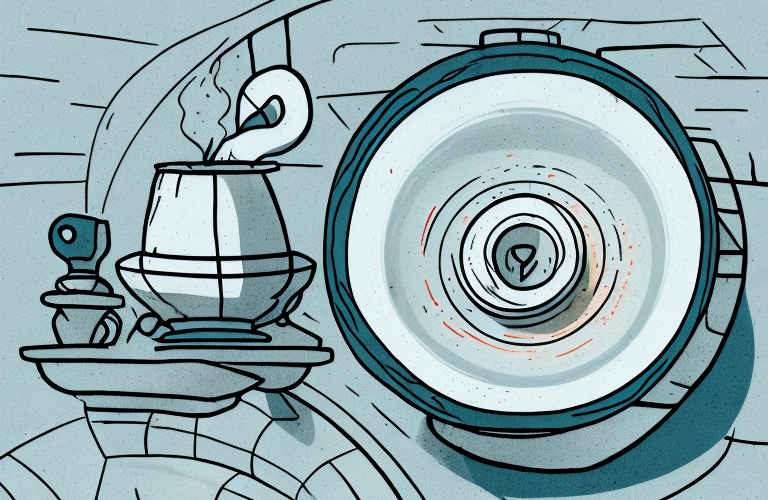
Firing ceramics is a fascinating process that, when done correctly, can bring out all the stunning features of your work. But, when is firing ceramics too much? Can you fire ceramics 3 times? This is a question that many potters, sculptors, and other ceramicists may ask themselves. The answer is yes – you can fire ceramics 3 times, or even more depending on the type of clay and glaze you’re using. But before you get started, it’s important to understand the differences between multiple firing processes, what to look for in your work, and how to troubleshoot any issues that may arise.
What are the Benefits of Firing Ceramics Multiple Times?
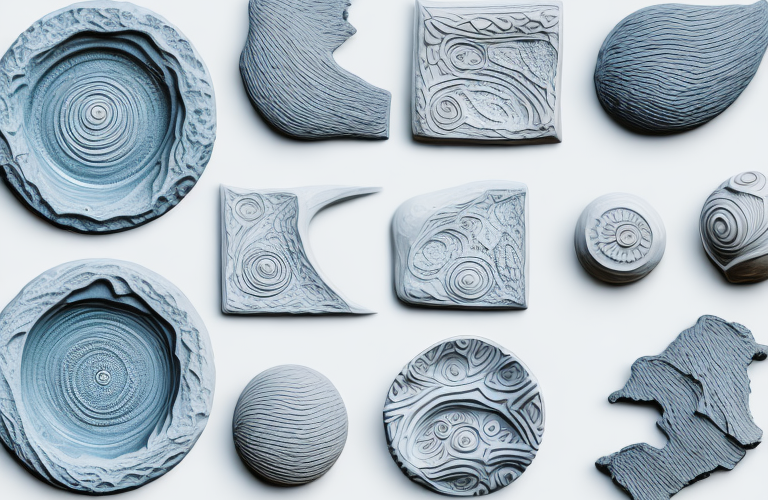
Firing ceramics multiple times is a great way to create intricate and beautiful works. By firing ceramics more than once, you can achieve effects that wouldn’t be possible with a single firing. Some examples of what can be achieved by multiple firings include:
- Layering on glazes to create unique color combos
- Adding a crackled texture to the piece
- Incorporating different temperatures for different finishes
- Creating texture in the clay by fusing particles together
How to Fire Ceramics 3 Times
When it comes to firing ceramics 3 times, it’s important that you properly prepare your work for each firing. This means carefully cleaning the piece, applying any needed glazes, adding any colorants you’d like to use, and making sure the kiln is set to the proper temperature. It’s also important to consider any changes to the piece that come with each firing. For example, if the piece requires a mid-firing cooling process, this should be accounted for before firing the piece again.
Once the piece is ready, it’s time to fire! Begin loading your kiln and make sure to allow for adequate airflow. Once it’s loaded and ready, fire it up! The temperature and timing will depend on your specific piece and goal; refer to the manufacturer recommendations that came with your kiln. After the first firing is finished and cooled, unload the kiln and inspect your work. Make sure nothing fell off or broke from the process, and then clean your piece either mechanically or chemically.
Now you’re ready to prepare your work for the second and third firings. Once it’s ready, follow the same steps as before– load up your kiln, fire it up, unload and inspect– and then you’re done!
What to Consider Before Firing Ceramics a Third Time
Before firing ceramics a third time, there are a few things to consider. It’s important to make sure the kiln is still in good working condition. Checking up on your manufacturer’s recommended kiln maintenance schedule can help make sure everything is working properly. If you’re firing multiple pieces at once make sure they will be compatible with each other in terms of temperature and timing since different pieces have different firing requirements.
Finally, make sure you have sufficient materials handy in case you need to make adjustments or repairs in between firings. Having extra tools and supplies ready can save you time and stress in case something goes wrong.
Types of Firing Processes for Ceramics
Firing ceramics can be broken down into two main processes: Glaze Firing and Bisque Firing. Glaze firing is done at higher temperatures to bond the glaze to the clay. Bisque firing is done at lower temperatures to set the clay itself. Depending on what type of clay is used, you may need to bisque fire it before or after glaze firing. For example, earthenware needs to be bisque fired before glazing, but it can be glaze fired after.
Glaze firings are generally done at higher temperatures, while bisque firings are done at lower temperatures. Depending on your start material and desired outcome, you may need multiple firings at either higher or lower temperatures.
When to Fire Ceramics for a Third Time
When deciding when to fire ceramics for a third time, it’s important to consider a few factors. First, consider how many times you want or need to fire the piece. Some pieces may require multiple firings for different tasks such as glaze application or texture adjustments. Others may only be fired once or twice. Second, consider what kind of kiln you will be using and its capabilities.
Finally, consider how much time you have available. If you’re short on time and have other projects lined up, consider doing multiple firings in one session instead of splitting them up into multiple ones.
Tips for Firing Ceramics Successfully
Firing ceramics successfully requires attention to detail and a few key tips. Make sure to always read the manufacturer instructions closely and follow them exactly, as each kiln performs differently and has its own requirements for successful operation. Consider investing in a pyrometer or thermocouple so that you can accurately measure the temperature of your kiln throughout the firing process.
If you’re working with multiple pieces at once, make sure they are compatible in terms of temperature range. When adding glazes, it’s important to understand which ones can be used together during multiple firings; some glazes may react differently when combined with others.
What to Do After Firing Ceramics Three Times
After firing ceramics three times it’s important to inspect the work closely. Make sure all components have been properly fired; pay special attention to areas that may have been affected by thermal shock or cracks due to excessive heating of the clay.
Once all components are inspected and approved, it’s time to clean any residual glaze off the piece. Depending on the type of glaze used, you may need a specific cleaner such as a cleaner formulated for low-fire glazes. After cleaning, simply polish up the piece with a soft cloth before displaying your work!
Troubleshooting Common Problems with Multiple Firing Rounds
When it comes to troubleshooting common problems with multiple firing rounds, knowing what signs to look for can save you time and effort in the long run. If a piece cracks during firing then its likely too brittle; try switching out the clay next time you fire. If the glaze doesn’t stick properly then it may not have been applied evenly or in the right conditions; make sure to apply more than one layer of glaze when using overglazed transfers.
If pieces turn out dull then its likely due to low-fired bits or underglazed pieces; switch out for higher fired pieces or apply more layers of glaze next time around. Finally, pieces with buried or exposed uncured bits or seams could be due to overfiring; make sure to check for curing marks before putting into the kiln.
Conclusion
Firing ceramics 3 times is possible depending on what type of clay you’re using and what type of effects you’d like to achieve. When firing multiple times take special care when preparing each step so that it is compatible with the overall goal as well as each other step. It’s also important to troubleshoot any potential issues that could arise throughout each firing process. By following these tips, potters and ceramicists can easily add another level of intricacy and beauty to their pieces!