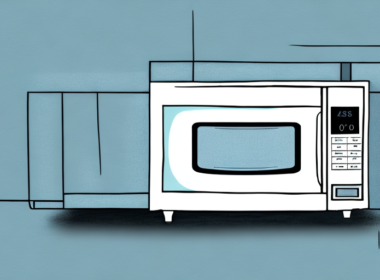

Are you looking for an alternative way to fire your ceramics and glass pieces? If so, you may have heard of using a microwave in place of a traditional kiln. While this idea may seem far fetched, it is actually possible to use a microwave to fire glass and ceramics. In this article, we’ll explore the advantages and disadvantages of using a microwave as a kiln, how to set up and use a microwave as a kiln, safety considerations, tips for successful results, and alternatives to using a microwave kiln.
Advantages of Using a Microwave as a Kiln
One of the advantages of using a microwave as a kiln is the simplicity and affordability. Microwave ovens can be purchased relatively inexpensively, and they take up much less space than a traditional kiln. This makes it possible to easily set up a permanent workspace or use the microwave in different settings such as classrooms or workshops. Additionally, microwaves are energy efficient and provide a steady, consistent heat which helps to ensure consistent results.
Another advantage of using a microwave as a kiln is the speed and convenience. Microwaves can heat up quickly and can be used to fire small pieces of pottery or glass in a fraction of the time it would take to fire them in a traditional kiln. This makes it possible to quickly and easily create unique pieces of art or craft items without having to wait for a traditional kiln to heat up.
Disadvantages of Using a Microwave as a Kiln
The main disadvantage of using a microwave as a kiln is the lack of control compared to a traditional kiln. The firing temperature is limited: ceramic pieces must be fired at 1650 degrees Fahrenheit and glass pieces must be fired at 1500 degrees Fahrenheit. In addition, the working size of microwaves is usually limited to small pieces and because the firing process takes place in an enclosed space, safety is an issue to consider.
Another disadvantage of using a microwave as a kiln is that the firing process is much slower than with a traditional kiln. This can be a problem if you need to fire multiple pieces in a short amount of time. Additionally, the firing process can be unpredictable, as microwaves are not designed to be used as kilns and can produce inconsistent results.
Different Types of Microwaves that Can Be Used as Kilns
When shopping for a microwave to use as a kiln, it’s important to consider the wattage, size and type of containers you will use to fire your pieces. Most microwaves range from 500 to 2100 watts and come in standard sizes like 0.7 cubic feet, 1.0 cubic feet and 1.5 cubic feet. Microwave-safe glass containers such as Pyrex dishes and metal containers such as metal bowls are necessary for firing ceramic and glass pieces.
How to Set Up a Microwave as a Kiln
Once you’ve chosen the right type of microwave, it’s time to set it up to fire your pieces. First, place your container with the piece(s) inside on the tray of the microwave. Place an oven thermometer in the container so you can monitor the temperature. Next, set your microwave on high for 3-4 minutes at a time and check the temperature after each firing. Once the desired temperature is reached, allow the piece to cool off for at least 10 minutes.
Safety Considerations When Using a Microwave as a Kiln
Due to the high temperature used in this process, safety is paramount when using a microwave as a kiln. All pieces should be firmly secured in their container with no loose parts. Wear protective gloves and face masks when working with the microwave and be sure to open the microwave cautiously after firing when it has cooled off. It is also important to ensure that your workspace is well ventilated.
Tips for Successfully Using a Microwave as a Kiln
Be sure to read the instructions for your microwave and follow them carefully. Make sure you use microwave-safe containers only, as ceramic or other dangerous materials can be hazardous if heated in the microwave. Since heating times can vary depending on wattage, size and material of your piece, it is wise to practice with scrap pieces first. You can experiment with the settings to see what firing times work best for your particular material.
What Objects Can You Use in Your Microwave Kiln?
Depending on the wattage of your microwave, you can fire small hollow beads, clay jewelry pieces, tiny sculptures, fused glass cabochons and pendants, decals, and enameled pieces such as earrings or necklaces. Only glass and ceramic objects should be fired in a microwave kiln; material such metal or wood should not be used.
Alternatives to Using a Microwave As A Kiln
If you find that using a microwave to fire your pieces is too difficult or isn’t producing the desired results, there are other methods available. An alternative to using a microwave is an electric kiln. Electric kilns are more expensive than microwaves, but they provide more control over the firing process, are available in various sizes, and can fire both ceramics and glass.
Using a microwave as a kiln may seem daunting at first but with careful planning and practice it can be an effective way to fire small glass and ceramic pieces. While understanding all the safety considerations and necessary setup can be daunting, the time and cost savings over traditional kilns make it an attractive option for many ceramicists.