Pottery is an ancient art form that has been used for thousands of years to make beautiful and functional objects. Firing is an essential part of the pottery-making process, and it involves heating the soft clay at high temperatures until it reaches its permanent form. While this is commonly done in a kiln, it is possible to fire pottery in a fireplace with some safety precautions.
What is the process of firing pottery?
Firing is the process of heating pottery until it reaches its permanently hardened form. Clay must be heated to extreme temperatures in order for it to reach the desired level of strength and rigidity. The firing process causes the clay to expand and contract, which changes the clay’s composition and makes the pottery sturdy and impervious to water.
The firing process can be done in a variety of ways, including in a kiln, over an open flame, or in a pit. The type of firing used will depend on the type of pottery being made and the desired outcome. For example, a low-temperature firing may be used to create a porous pottery, while a high-temperature firing may be used to create a more durable pottery.
What are the steps to safely fire pottery in a fireplace?
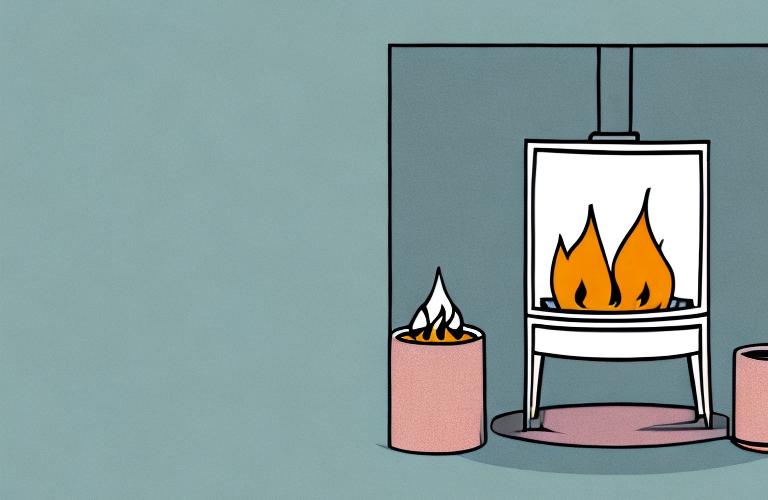
Fireplaces are capable of reaching temperatures close to the range required for firing pottery. To safely fire pottery in a fireplace, you must make sure that the temperatures remain steady throughout the process, and also take necessary safety precautions. Before you start, you must protect your hearth by lining it with insulating firebrick or heatproof pavers. Once your workpieces are ready, place them inside the fireplace on a bed of sand and cover them with fire-resistant ceramic fiber blanket. Carefully light the logs and adjust the airflow by using the damper control on the chimney to maintain the desired temperature. Depending on the type and size of your pottery, you may need to maintain this temperature for up to several hours. When the firing is done, allow some time for the fireplace to cool down before you handle the pieces.
It is important to remember that firing pottery in a fireplace can be dangerous and should only be done with extreme caution. Make sure to wear protective clothing and safety glasses to protect yourself from any potential hazards. Additionally, it is important to keep a fire extinguisher nearby in case of an emergency. With the right safety precautions and careful monitoring, you can safely fire pottery in a fireplace.
What type of clay is best for firing in a fireplace?
The type of clay you use for firing in a fireplace will depend on your desired outcome and also the level of heat you are able to reach in your fireplace. Stoneware clay is best for firings up to 2100°F, while earthenware clays can be fired up to 2000°F. If you are unable to get your fireplace above 2000°F, then you should use a lower temperature clay.
What temperature should you fire pottery at in a fireplace?
The ideal firing temperature will depend on the type of clay and glaze you are using. Most earthenware clay bodies should be fired between 1550°F and 1800°F, while stoneware clays should be fired between 2100°F and 2400°F. Though it is possible to reach these temperatures with a regular size fireplace, it is recommended that you use a kiln for firings over 2000°F.
What safety precautions should you take when firing pottery in a fireplace?
There are several important safety precautions that you should take when firing pottery in a fireplace. Firstly, never leave your work unattended while it is being fired and make sure that children and pets are kept away from the area. It is also important to wear protective clothing, such as a long-sleeved shirt and gloves, and use safety glasses or goggles to protect your eyes. Additionally, you must protect yourself from any possible burns by maintaining a safe distance from the fire itself.
What types of glazes can be applied to pots fired in a fireplace?
For earthenware clays fired in a fireplace, you can use either an alkaline or salt-glazed finish. Alkaline glazes contain a mix of silica, alumina, and sodium oxide, whereas salt-glazes are made from a combination of sodium carbonate and sodium chloride. When fired in a regular-sized fireplace, these glazes can reach temperatures up to around 1300°F.
How should you store fired pottery made in a fireplace?
Once your pottery has been fired, it should be allowed to dry before storing it. Drying your pottery is important to prevent warping and cracking. Once dry, store your pieces in cool, dry places away from direct sunlight.
Are there any potential dangers associated with firing pottery in a fireplace?
There are certain dangers associated with firing pottery in a fireplace, such as the risk of burns and smoke inhalation, so it is important to take proper safety precautions. Additionally, working with clay dust can irritate your eyes and lungs and potentially cause respiratory illnesses.
Can the same techniques be used to fire other materials in a fireplace?
Yes, other materials such as tiles, glass, and metal can also be fired in a fireplace using similar techniques. When firing metals or glass, care must be taken to ensure the proper temperature is achieved throughout the process.