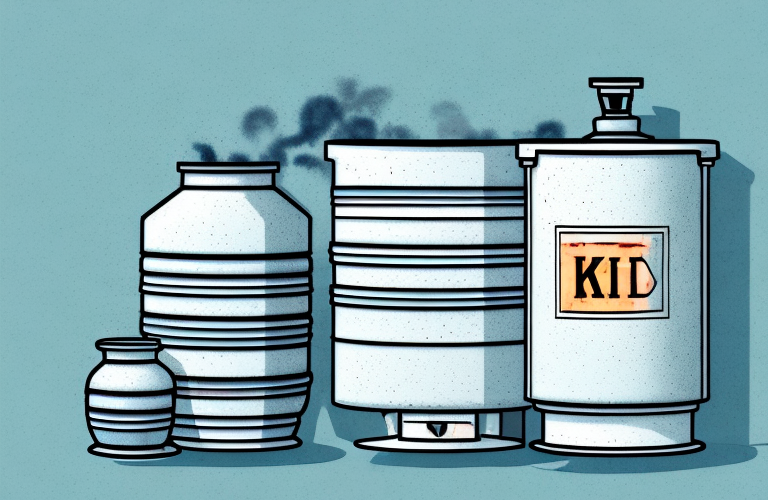
Kiln wash is a crucial part of the ceramic process, providing a great seal and protection to your ware. The question is, can you reuse kiln wash? Let’s take a look!
What is Kiln Wash and What is it Used For?
Kiln wash, also called shelf paper, is a specially formulated mixture of refractory clay and alumina silicate. It is applied to shelves and other items in the kiln to create a barrier between them and the items being fired. This prevents glaze from adhering to the kiln shelf and burning onto it. It also helps to catch spills and drips of glazes and other materials and can help create an even firing.
Kiln wash is typically applied to the shelves with a brush or a sponge. It is important to make sure that the kiln wash is applied evenly and that all areas of the shelf are covered. Once the kiln wash is applied, it should be allowed to dry before the kiln is fired. This will ensure that the kiln wash is properly adhered to the shelf and will not flake off during the firing process.
How to Apply Kiln Wash
Kiln wash should be applied in a thin layer using a soft brush or a mister bottle. If a mister bottle is used, shake it well to make sure the wash is evenly distributed. The kiln must be completely cool before applying the kiln wash, as the heat from the kiln can damage or warp the wash. Once the kiln wash is applied, it should be fired for about 1-2 hours at about 1832°F – not only does this help solidify the wash, but it also helps ensure that the wash soaks into the material as much as possible. After the firin, allow the kiln to cool down completely before unloading.
When applying the kiln wash, it is important to make sure that the layer is even and thin. If the layer is too thick, it can cause the kiln wash to crack or flake off during the firing process. Additionally, it is important to make sure that the kiln wash is applied to all surfaces of the kiln, including the lid, walls, and floor. This will help ensure that the kiln is properly protected from the heat of the firing process.
Reusing Kiln Wash: Pros and Cons
Reusing kiln wash certainly has its advantages. The most obvious one is that it saves time and money – no need to buy a new one every time! It also means that the same shelf can be used in many different firings, which may be important to specialized work. On the other hand, there are also some dangers involved with reusing kiln wash. Over time, particles can start to flake off and mix in with your glazes, leading to unsightly spots or inconsistencies in your work.
Additionally, if the kiln wash is not properly cleaned between firings, it can cause contamination of the kiln and the glazes. This can lead to a variety of problems, including discoloration, bubbling, and even cracking of the glaze. It is important to make sure that the kiln wash is thoroughly cleaned and inspected before each use to avoid these issues.
Tips for Reusing Kiln Wash
If you decide to reuse kiln wash, there are a few tips you should keep in mind. The most important one is to check the shelf for any cracks or chipping before each firing. These can happen over time from repeated firings and should be watched out for. You should also check for any glaze trails in the wash, indicating that the glaze has worked its way through the kiln wash. It might be a good idea to replace the kiln wash periodically if you are continually reusing it.
Additionally, you should always make sure to clean the kiln wash thoroughly after each firing. This will help to ensure that the kiln wash is free of any debris or residue that could affect the quality of your next firing. You should also make sure to store the kiln wash in a cool, dry place to prevent any damage or deterioration.
Cautions When Reusing Kiln Wash
When reusing kiln wash, you should be very careful not to let any particles of the wash mix with your glazes or clays. Even particles that are too small to see can have a noticeable effect on your work. It is also important to clean your shelves thoroughly between firings so that no residue of glaze or kiln wash remains. This will help minimize the chances of contamination.
Alternatives to Reusing Kiln Wash
If you don’t feel comfortable reusing kiln wash, there are various alternatives available. Specialized kiln shelves are available which are coated with a protective layer that catches any glaze that runs off during firing. You could also create your own custom shelf with materials such as brick, ceramic or stone. These materials can last for much longer than sheets of ordinary shelf paper.
Conclusion
Kiln wash is an important part of any ceramicist’s toolkit and should be replaced regularly. While it is possible to reuse kiln wash, it is important to take all due precautions and keep in mind the potential downfalls of reusing it. If going the reusable route does not feel like an option, there are various alternatives available which may suit your needs better.