
For many hobbyists, firing up the kiln in the comfort of your home can be the ultimate convenience, but is it safe to run a kiln indoors? Here, we discuss the pros and cons of using an indoor kiln, as well as safety considerations, tools, materials and maintenance needs.
Benefits and Drawbacks of Using a Kiln Indoors
There are some obvious benefits of using an indoor kiln, such as convenience and being able to monitor your project more closely. Being able to open windows and doors to regulate the temperature makes it easier to focus on the task at hand. If you’re the type of person who prefers to be able to watch the progress of your work, using a kiln indoors can be a great option.
However, there are a few factors to consider before using an indoor kiln. Due to their high temperatures, it is important to use caution when firing in an enclosed space, as there is a risk of creating noxious fumes or even causing a fire. It’s important to properly ventilate the area and ensure that you are using the correct wattage for your space. Additionally, the heat produced by a kiln can create a lot of dust and debris, so it’s best to use a model that is suitable for your space.
Safety Precautions for Using a Kiln Indoors
When operating a kiln indoors, it is essential to take proper safety precautions. Make sure that the area is well-ventilated, either by having an open window or two, or by using an exhaust fan. Additionally, keep flammable items such as drapes, curtains, and fabrics away from the kiln. Lastly, make sure that you have adequate fire safety equipment such as a fire extinguisher, smoke detectors, and a CO2 detector.
What to Consider Before Using a Kiln Indoors
Be sure to read the instructions for your kiln carefully before attempting to use it indoors. Additionally, consider the size and wattage of the kiln you plan to use – smaller kilns tend to produce more heat and can easily ignite materials. Also keep in mind that some types of dust and debris can be corrosive and create noxious fumes when heated. It’s important to research the material you are working with and become acquainted with its safety precautions.
Appropriate Ventilation for an Indoor Kiln
To ensure that your kiln is producing clean air, it’s important to take steps to ensure proper ventilation. In general, one square foot of open space for every 120 square feet of area is adequate for indoor kilns. Additionally, exhaust fans will help to keep smoke and fumes from accumulating in the work area. Finally, be sure to keep the room temperature from getting too high by opening windows or using air conditioning.
Different Types of Indoor Kilns
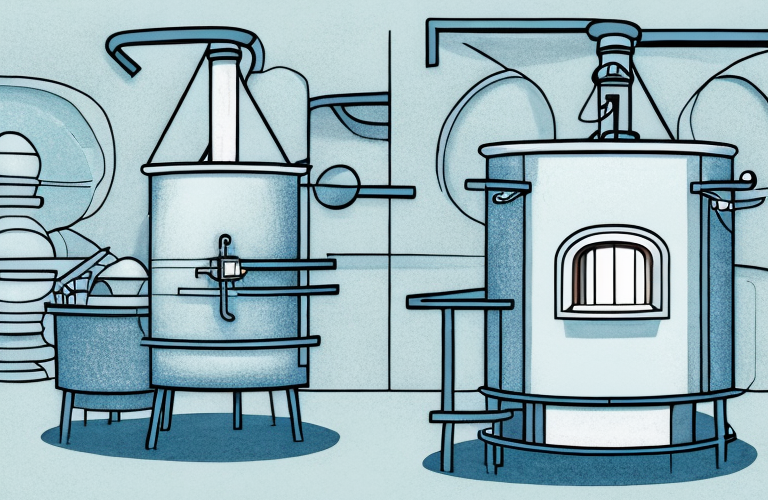
When shopping for an indoor kiln, it’s important to be aware of the various types available and their features. Ceramic kilns are suitable for firing pottery and come in either high- or low-fire settings. Enameling kilns are used for enameling glass and metals and offer both high- and low-fire settings. Finally, heat treating kilns are used for heat treating metals, and they typically offer three high-fire settings.
Pros and Cons of Different Types of Indoor Kilns
The type of indoor kiln you use will largely depend on what type of project you’re working on. Ceramic kilns provide consistent temperatures for firing pottery, whereas enameling kilns do not. Heat treating kilns offer higher temperatures for metal heat treatments than ceramic or enameling kilns, but they can be difficult to control. When deciding which type of kiln to purchase, consider both the benefits and drawbacks before making a final decision.
Recommended Tools and Materials for Working with a Kiln Indoors
Having the right tools and materials on hand is essential for working safely with an indoor kiln. Safety equipment such as face shields and fire retardant clothing are recommended when firing in an enclosed space. Additionally, you should always have fire extinguishers, CO2 detectors, and smoke detectors nearby. Having a dry air source handy can also help prevent the formation of smoke or odors during firing.
Tips for Maintaining an Indoor Kiln
Any type of equipment that produces large amounts of heat can eventually become unsafe if not properly maintained. To ensure that your kiln stays in optimal condition, be sure to regularly clean out any dust or debris that can accumulate during use. Additionally, inspect your kiln regularly for signs of wear and tear, and replace any damaged parts as soon as possible. Finally, make sure that your electrical outlet is up to code and can handle the wattage of your model.
Common Problems with Using an Indoor Kiln
One of the most common problems encountered when using an indoor kiln is dust or debris buildup during firing. In order to prevent this from happening, be sure to designate a “clean zone” around your work area where dust and debris cannot accumulate. Additionally, make sure that you are using the correct wattage for your space and that you are following all safety guidelines for safe operation.
As long as you take all necessary precautions and use the correct tools and materials, using an indoor kiln can be a safe and enjoyable experience. With adequate planning and research, you can enjoy firing up your kiln in the convenience of your own home.