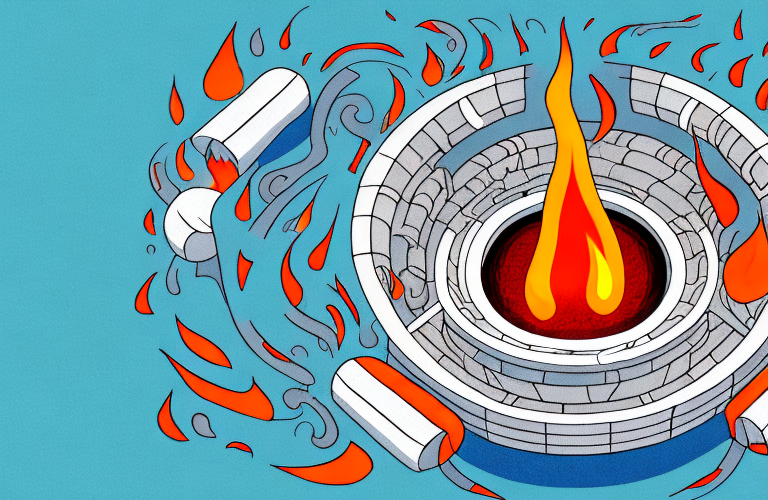

When considering whether or not to install a kiln in your home, safety should always be your number one priority. After all, kilns are furnaces that reach incredibly high temperatures, and need to be installed, used, and stored properly in order to prevent any potential accidents or damage to your property.
Pros and Cons of Having a Kiln in the Home
Having a kiln in the home can have plenty of advantages and disadvantages. On one hand, a kiln allows you to create ceramics in the comfort of your own home. On the other hand, these furnaces have the potential to cause severe burns and start fires if not managed correctly.
When using a kiln, it is important to take the necessary safety precautions. This includes wearing protective clothing, such as gloves and a face mask, and ensuring that the kiln is placed in a well-ventilated area. Additionally, it is important to read the instructions carefully and follow all safety guidelines provided by the manufacturer.
Types of Kilns and Their Safety Features
Kilns come in a variety of shapes and sizes, from large industrial models to smaller tabletop units. However, all kilns feature several safety features to help minimize the risk of any accidents occurring. These features include fire bricks to help shield the kiln from its own heat, thermal couplers to automatically shut off the gas if the temperature gets too high, and ventilation systems to help keep the air inside the kiln from becoming too hot. Some of the newer models also come with digital temperature controls for added accuracy.
In addition to the safety features, kilns also come with a variety of accessories to help make the firing process easier. These accessories include shelves, posts, and stilts to help support the pieces being fired, as well as kiln furniture such as kiln posts and kiln shelves. These accessories can help to ensure that the pieces being fired are properly supported and that the firing process is as efficient as possible.
Common Safety Precautions for Using a Kiln
It’s important to follow all safety precautions when using a kiln. Be sure to read and understand the instruction manual before operating the furnace. Wear protective clothing, including gloves, long pants, and a face shield. Make sure there’s enough ventilation in the room, as the kiln produces harmful fumes when in use. Keep any flammable materials at least three feet away from the kiln. Finally, never leave the kiln unattended while it is running, as this could cause a fire.
Advantages of Having a Kiln in the Home
Having a kiln in your home can allow for much greater flexibility when it comes to crafting ceramics. You won’t be limited by the opening and closing times of a studio, and you can work at any times that suits you best. It also eliminates additional travel costs and expenses associated with working in a studio. And, if you have children who are interested in crafting ceramics, having a kiln in the home offers a great way to get them involved.
Disadvantages of Having a Kiln in the Home
Of course, there are plenty of potential drawbacks to having a kiln installed in your home. For instance, these furnaces are large, heavy, and require their own dedicated space. Additionally, their high temperatures mean they can’t be placed too close to any other furniture or combustible items, leading to further restrictions on space. And, due to the amount of heat they produce, they can contribute to building up excess moisture in the air if proper ventilation isn’t provided.
Safety Tips for Storing a Kiln in the Home
When not in use, it’s important to properly store your kiln. Be sure to turn off all gas lines before moving or cleaning your furnace. Don’t store combustible materials near the kiln, and install smoke detectors and fire extinguishers near the area whenever possible. Finally, keep the keys locked away and out of reach when not in use.
Other Factors to Consider Before Installing a Kiln in Your Home
When purchasing a kiln, make sure you get one with all the necessary safety features. Additionally, make sure you understand all building regulations pertaining to having such furnaces installed in residential locations. You’ll also need to be aware of any installation costs that may be associated with connecting your furnace to the proper ventilation and electrical sources.
Finding an Experienced Professional to Help Install Your Kiln
If you’re looking for help installing your kiln, be sure to find an experienced professional to do so. A knowledgeable technician can make sure that all safety procedures are followed and that your furnace is properly set up for use. They can also perform regular maintenance and repairs if needed down the line.
Conclusion
Installing a kiln safely in your home requires taking several precautionary steps. Be sure to read over the instructions before operating, wear appropriate protective clothing while using it, and ensure proper ventilation when in use. Additionally, make sure you have contacted an experienced professional to help with its installation and maintenance. If all of these safety measures are taken into account, having a kiln in your home can be both enjoyable and rewarding.