
When it comes to pottery, there are two primary techniques that are used: hand building and wheel throwing. While both techniques produce clay creations, they are drastically different in their approach and results. Hand building deals more with molding the clay with your hands and other tools, while wheel throwing is more centered around the spinning of a wheel to form your objects. In this article, we will explore the differences further, discuss the pros and cons of each technique, and provide tips for successful pottery creation with both approaches.
What is hand building?
Hand building is a clay-working technique where clay is manipulated solely by hands or basic tools such as a wooden tool or a sponge. Hand building is done completely off the pottery wheel and begins with rolling, coiling or slab building. Rolling is done by helping the clay into long cylinders with the hands, the slabs are built up with different thicknesses of flattened clay and then carved and molded into the desired designs, and coils are made by winding clay around one another to form sculptures. To create various shapes, artists can cut, layer, compress and trim their clay structures. In cases when clay shrinks during the drying process, artists can wedge pieces together by moistening the surfaces and pressing them together to form a solid bond.
What is wheel throwing?
Wheel throwing is a clay-working technique where the artist uses a pottery wheel to create clay forms. The pottery wheel rotates a lump of clay while the artist applies pressure to the sides to mold it into the desired shape. This technique requires quite a bit of practice, as it involves using both hands in sync to achieve a uniform thickness in the object as well as keep its form over time as it rotates. The artist must learn to center and control the clay on the wheel as well as employ various tools and techniques to shape and finish the vessel or artwork.
The Pros and Cons of Hand Building
Hand building offers a creative outlet for working with clay and allows for maximum flexibility in terms of form. It also gives artists full control over their process and gives them absolute creatives freedom. It also offers an economical option since hand building doesn’t require purchasing an expensive pottery wheel. On the downside, hand building takes more time to make objects and can be physically taxing since it requires lots of repetitive movement with your hands. Additionally, it can be harder to get uniformity in shapes across larger vessels.
The Pros and Cons of Wheel Throwing
Wheel throwing offers artists a faster way to create larger objects compared to hand building. It also creates more uniform shapes since they’re supported by the wheel while they’re spun. There is less physical strain involved as well since only one or two hands are needed. On the other hand, wheel throwing is not as flexible as hand building for small projects or non-traditional shapes and forms, as it relies heavily on traditional designs and doesn’t allow for much creativity when it comes to form. Of course, wheel throwing also requires purchasing an expensive pottery wheel.
Techniques for Hand Building
Hand building can involve a variety of techniques involving different tools that require endless practice and experimentation with different materials. Some common tools and techniques used include pushing, folding and pinching clay; rolling out slabs of clay with a rolling pin; pressing molds into wet clay; creating texture by carving out designs; and adding 3D details like stamps, sprigs or transferred images. When objects are nearly complete, it is common to smooth out the curve of vessels by plastering them with wet tooling techniques, burnishing them with smooth stones, or sanding them with fine grade sandpapers.
Techniques for Wheel Throwing
Wheel throwing requires an intimate understanding of the clay body being used as well as practice for learning how to control the wheel at varying speeds. The main technique for wheel throwing involves centering a lump of clay to the wheel head and then using pressure from both hands to push, pull, or even slap the sides until a uniform form is achieved. Control pressing is also used to hone in on shapes such as cylinders or jars before rib tools are used for further detailed shaping. In addition to basic tools like needles and wires for trimming clay, tools such as rib tools for smoothing forms, templates for cutting into and shaving off clay, and balls of wire for cutting away thick sections of clay can be used.
Examples of Hand Built Pottery
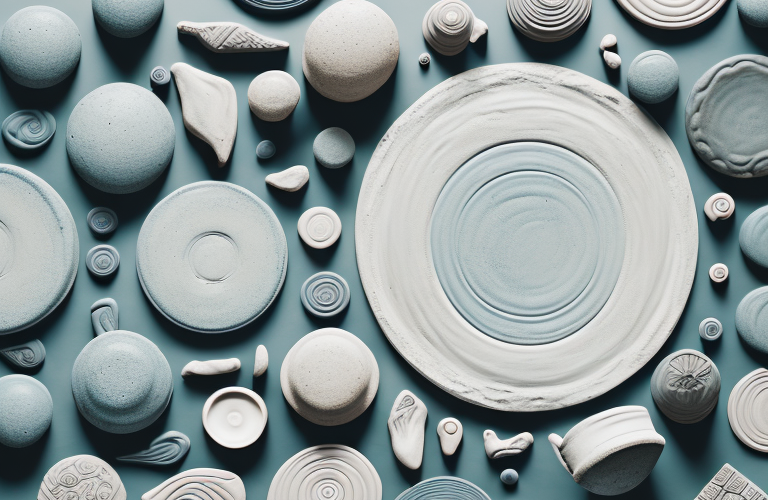
Hand-built pottery can include dishes, bowls, mugs, vases, platters, pitchers, tiles, sculptures and even jewelry. These pieces can vary greatly in size, shape and design. Some examples of hand-built pottery include coil pots formed from long snakes of clay or slab mugs produced from large flat surfaces. Hand-built sculpture and jewelry can range from fantasy creatures, animals and abstract designs.
Examples of Wheel Thrown Pottery
Wheel thrown pottery involves objects created on a pottery wheel such as cups, bowls, mugs, vases and plates. These items are usually circular in shape but can take on various forms based on how they are thrown on the wheel. Even small objects such as jewelry bowls can be designed by shaping clay while rotating on the wheel.
Tools and Materials for Hand Building
The materials used for hand building differ vastly depending on what you decide to make. Common materials include air-drying clays (or “self-hardening clays”), polymer clays (such as Sculpey or Fimo), fondant, plaster and epoxies. In addition to these materials, you will need everyday tools like a rolling pin, knives, rasps, sponges, measuring cups and kitchen tools like forks, tablespoon and eggshells for additional texture. Tools for imprinting shapes or cutting out shapes can also come in useful specially for when creating intricate designs with your hands.
Tools and Materials for Wheel Throwing
In terms of materials for wheel throwing you will need pottery clays like stoneware or porcelain which come in moist or dry forms depending on your preferred method of working. Moist clays are much easier to work with at first since they can be wedged together more easily than their dry counterparts which usually require a process known as “wedging” which involves kneading air bubbles out of the clay. Along with pottery clays you will need a pottery wheel (of course!), various types of shaping tools such as rib tools, cutters and templates
,
Tips for Successful Hand Building and Wheel Throwing
When it comes to working with clay—whether hand building or wheel throwing—there are some basic tips that will help you become successful in your projects:
- It helps when starting out with clay to keep each project simple until you become comfortable with your technique.
- Always make sure your hands are free from lotion before coming into contact with your clay.
- Make sure that your work surface is clean and well-worn so that it doesn’t stick to your work.
- Make sure your clay is well hydrated before working with it so that it doesn’t crack during drying.
- Keep brushes tools handy when hand building; soft brushes are used for wiping cupids or adding texture.
- If using wheel throwing techniques, carefully center your clay before beginning the process; take it slow during this stage to make sure the object keeps its form throughout the spinning process.
- Be patient with yourself when learning new techniques; this process can take time so don’t be discouraged if your projects don’t turn out how you want right away.
- Clean up your workspace after finishing your project to prevent accidents and make sure that any leftover clay doesn’t dry out.
By considering both techniques—hand building and wheel throwing—you can decide which one best suits your projects. If you find yourself wanting versatility in constructing smaller pieces then hand building may be your ideal approach while if you want larger shapes quickly then wheel throwing is probably best. Both techniques require skill and patience so keep practicing until you perfect your craft!