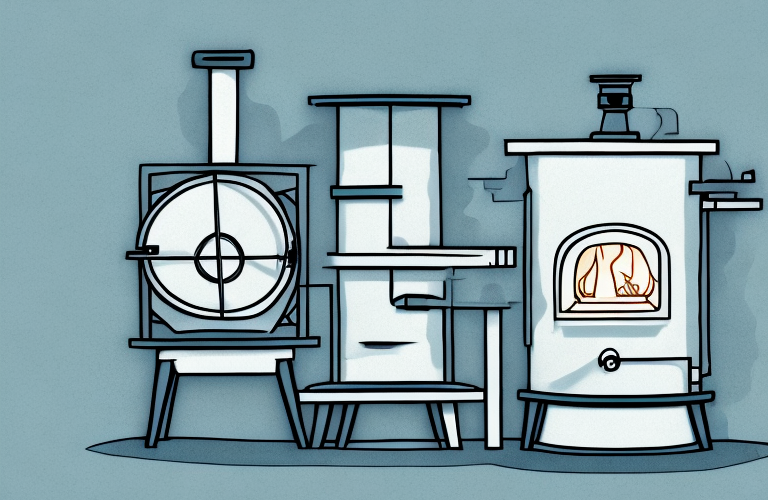
Pottery is a form of art that can date back thousands of years, which allows the expression of creativity through wood and clay. But do you need a kiln to create pottery? Absolutely not! With the right supplies and knowledge, anybody can create pottery without a kiln. But what are the types of pottery without a kiln? What tools do you need? What are the benefits and challenges of creating pottery on your own? Read this article to get all the answers!
Types of pottery without a kiln
There are a number of different types of pottery that can be created without a kiln. Air-dry clay, low fire clay, coil pottery, and pinch pots are all forms of pottery that do not require a kiln in order to be created. Air-dry clay is a clay that is easy to shape at room temperature and dries hard in the air. Low fire clay is a type of clay that is fired at low temperatures to create functional ware. Coil pottery involves building a structure by rolling coils of clay and pinching or smoothing them together. Pinch pots, which are also known as pinch-bowls, are constructed by rolling out flat sheets of clay and pinching or smoothing them into the desired shapes.
What tools do I need for kiln-free pottery?
Creating pottery without a kiln requires a few basic tools. For air-dry clay and low fire clay work, you will need rolling pins, clay knives, and some type of waterproof sealant (such as a brush-on sealant). You’ll also need access to a small oven or large toaster oven that can reach temperatures of up to 325 degrees Celsius in order to bake your pottery. For coil pottery, you will need an armature made out of wire or whatever material you choose to use as the base of your structure. Lastly, for pinch pots, you will need various tools such as ribbed loop tools, scissors, and sponges.
Benefits of pottery without a kiln
The main benefit of creating pottery without a kiln is that it is much cheaper and more accessible to people who don’t have access to or money for kilns. As long as you have supplies like clay, glue, and tools, you can create awesome pieces of art without needing to buy or maintain an expensive kiln. Additionally, with this type of pottery, there is minimal risk of damage due to over-firing or cooling too quickly.
Advantages of using a kiln
Although creating pottery without a kiln does have some advantages, the process does have its limitations. For example, when using air-dry clay, the drying process takes far longer than it would with something that has been fired. Additionally, some glazes and ceramic finishes are not possible to achieve with air-dry clay. Kilns can also help in creating very consistent and uniform pieces that are often not achievable through traditional methods.
Different techniques to try without a kiln
Without a kiln, there are still lots of fun techniques that you can use to create unique pieces of pottery. Coil pottery is a great option as it requires no special tools or expensive materials. You can also use tools like ribbed loop tools, sponges, and scissors to add texture to your pieces. Additionally, you can use glazes and paints to decorate your pieces if you don’t want to fire them at all!
Challenges of creating pottery without a kiln
Creating pottery without a kiln definitely has its challenges. Air-dry clay takes considerably longer to dry than clay that has been fired in a kiln, so patience is key. It’s also harder to get very uniform pieces when you’re working with air-dry clay as it can take some practice to get the technique just right. Additionally, some glazes and ceramic finishes won’t work with air-dry clay so there is less room for experimentation.
Where to find the supplies and materials needed for kiln-free pottery
You can find all the supplies and materials needed for kiln-free pottery at most art supply stores, craft stores, online retailers, or even at some hardware stores. You can also buy ready-to-use kits from many retailers that come with all the supplies needed for making your own pottery. These kits often include air-dry clay, glazes and paints, tools, and even an armature for coil pottery.
Tips for successful pottery-making without a kiln
Here are some helpful tips for successful pottery-making without a kiln:
- Make sure you have all the necessary supplies and materials before you start.
- Be patient while your pieces dry as it can take longer than if you had access to a kiln.
- Practice the techniques you want to use before starting your project.
- Use ribbed loop tools and texture tools for added texture on air-dry clay pieces.
- Experiment with different glazes and paints for unique effects.
Following these tips will help ensure that your pottery-making endeavors without a kiln will be successful!
How to fire pottery without a kiln
Firing pottery without a kiln involves baking it in an oven at high temperatures. However, it’s important to note that this method is not suitable for some types of glaze and may cause damage to delicate pieces. It’s best to research the clays and glazes you are using so that you know what temperatures they can withstand before baking them in an oven. The temperatures needed will depend on the type of clay and glaze used as well as the desired end result; however, temperatures should generally never exceed 325 degrees Celsius.
Pottery-making without a kiln is fun and rewarding! So give it a try! Armed with the right supplies, knowledge, and tips from this article—you’ll be creating beautiful pottery in no time.