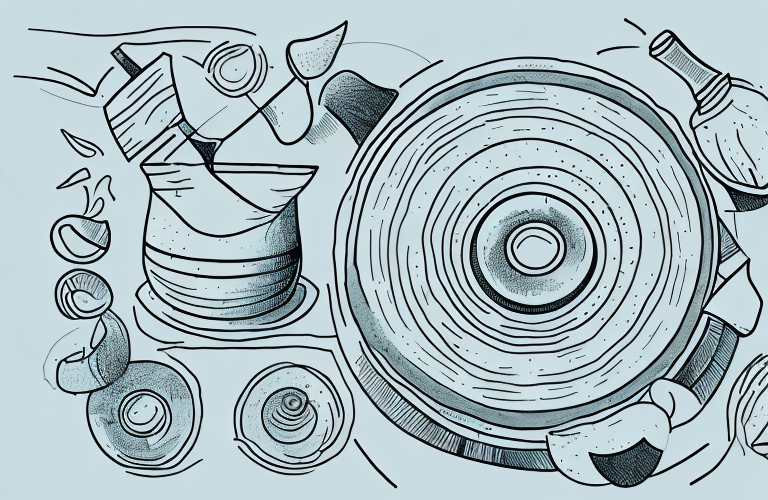

Pottery making is a time-honored craft that has been practiced for centuries. One of the traditional tools still used today is the kick wheel, a manually-operated device that uses human foot power to turn the wheelhead. In this article, we will explore everything you need to know about creating unique pottery with a kick wheel, from the history of this tool to essential techniques, tips and more.
Introduction to Pottery Making with a Kick Wheel
Pottery making with a kick wheel involves a process of shaping and firing clay to produce functional or decorative objects. The kick wheel is operated by placing one foot on the treadle and pushing down with a pumping motion in order to rotate the wheel. With the other foot, the potter applies pressure to shape the wet clay on the wheel head. Once the clay is shaped, it is removed from the kick wheel and fired in a kiln at high temperatures until it becomes hard and durable.
One of the benefits of using a kick wheel for pottery making is that it allows for a more hands-on and tactile experience. Unlike electric pottery wheels, which can be more automated, the kick wheel requires the potter to use their own physical strength and coordination to shape the clay. This can be a rewarding and meditative process, as the potter becomes fully immersed in the creation of their piece.
Another advantage of pottery making with a kick wheel is that it can be a more sustainable and eco-friendly option. Because the kick wheel is powered by the potter’s own energy, it does not require electricity or other external sources of power. Additionally, many potters choose to use locally-sourced clay and natural materials for their glazes, reducing the environmental impact of their craft.
Advantages of Using a Kick Wheel in Pottery Making
The kick wheel has several advantages over other pottery-making tools. One of the main advantages is that it allows you to work at your own pace, without relying on an electric motor or other external energy sources. This enables the potter to develop a strong sense of control and sensitivity over the clay, which can result in unique and creative designs. In addition, due to the manual operation of the kick wheel, it is less noisy than an electric wheel, making it ideal for those who prefer quiet and peaceful environments.
Another advantage of using a kick wheel is that it is more environmentally friendly than an electric wheel. Since it does not require electricity, it does not contribute to carbon emissions or other forms of pollution. This makes it a great option for potters who are conscious about their environmental impact. Additionally, the kick wheel is often more affordable than an electric wheel, making it accessible to a wider range of people who are interested in pottery-making.
History of the Kick Wheel: Origins and Evolution
The kick wheel is an ancient invention that dates back to the earliest civilizations. It has been used for centuries in various cultures around the world, including China, Greece, and Egypt. Over time, the design of the traditional kick wheel has evolved, with the introduction of modern materials and technologies like metal frames, ball bearings, and flywheels. Despite its long history, the kick wheel continues to be a valuable and widely-used tool for pottery makers of all skill levels.
One of the reasons why the kick wheel has remained popular is its simplicity. Unlike electric pottery wheels, which require a power source and can be quite complex, the kick wheel is powered by the potter’s own foot. This makes it a great option for potters who prefer a more hands-on approach to their craft.
Another advantage of the kick wheel is its versatility. It can be used to create a wide range of pottery styles, from small cups and bowls to large vases and urns. Additionally, the kick wheel allows potters to control the speed and direction of the wheel with their foot, giving them greater precision and control over their work.
Kick Wheel vs. Electric Wheel: Which One is Better for Pottery Making?
While both kick wheels and electric wheels are capable of producing beautiful pottery, there are several differences between the two. Electric wheels are generally faster and require less physical effort, making them easier for beginners or those with physical limitations. Kick wheels, on the other hand, require more physical exertion and technique, but offer greater control and sensitivity over the clay. Ultimately, the choice between the two depends on personal preference and the specific needs of the potter.
Another factor to consider when choosing between a kick wheel and an electric wheel is the cost. Electric wheels tend to be more expensive than kick wheels, which can be a deciding factor for those on a tight budget. Additionally, kick wheels do not require electricity, making them a more environmentally friendly option. However, electric wheels offer more consistent speed and can be easier to maintain in the long run.
Essential Tools and Materials for Pottery Making with a Kick Wheel
There are several tools and materials that are essential for pottery making with a kick wheel. These include a kick wheel itself, clay, a basin for water, various shaping tools like ribs, a sponge, and a wire cutter, and a kiln for firing the finished pieces. Other optional tools that can be helpful include a spray bottle to keep the clay moist, a turntable for trimming the bottoms of pots, and a wheel-mounted bat that allows you to remove pots from the wheel without handling them directly.
It is important to note that the type of clay used can greatly affect the outcome of the finished piece. Some potters prefer to use a high-fire clay, while others prefer a low-fire clay. Additionally, the addition of various materials like sand or grog can alter the texture and strength of the clay. It is important to experiment with different types of clay to find the one that works best for your desired outcome.
Techniques for Throwing Clay on a Kick Wheel
Throwing clay on a kick wheel involves several techniques that can take time and practice to master. These include centering the clay on the wheel head, opening up the clay to create the interior of the pot, and pulling up the walls of the pot using various hand positions and pressures. Other important techniques include compressing the clay at the bottom of the pot, trimming and refining the shape of the pot using various tools, and adding decorative details like handles, spouts, and textures.
One important aspect of throwing clay on a kick wheel is understanding the properties of the clay itself. Different types of clay have different levels of plasticity, which affects how easily they can be shaped and manipulated on the wheel. Additionally, the moisture content of the clay can also impact its workability, with wetter clay being easier to shape but more prone to collapsing or warping during the firing process.
Another key factor in successful clay throwing is the use of proper body mechanics. This includes maintaining good posture, using your core muscles to power the wheel, and avoiding excessive strain on your wrists and hands. Over time, developing good throwing habits can help prevent injury and improve the quality of your finished pieces.
How to Center Clay on a Kick Wheel: Step-by-Step Guide
Centering clay on a kick wheel is a fundamental skill in pottery making. To center clay, follow these steps: Start by placing a ball of clay in the center of the wheel head. Wet the clay and your hands. Place your hands on either side of the clay and push down using a moderate amount of pressure. As the wheel spins, use your thumbs and fingers to apply pressure to the top and sides of the clay, keeping it centered. Once the clay is centered, you can begin shaping it into your desired form.
Tips for Creating Unique Shapes and Designs with a Kick Wheel
One of the beauties of kick wheel pottery making is the ability to create unique and interesting shapes and designs. To achieve this, experiment with different hand positions, pressures, and tools. Play around with different shapes and sizes of pots, handles, and spouts. Consider adding different textures to your pots, like ridges or patterns, and experimenting with different glazes and firing techniques to achieve the desired effect.
Decorating and Finishing Techniques for Pottery Made on a Kick Wheel
Once you have thrown and fired your pottery on a kick wheel, there are several decorating and finishing techniques you can use to add the final touches. These include applying glazes or other decorative coatings, sanding or polishing the surface of the pot to achieve a smooth finish, and adding any final decorative touches like painted designs, etchings or carvings. These finishes can greatly enhance the beauty and functionality of your pottery, and make them stand out as unique works of art.
Firing Your Pottery: Kiln Options and Best Practices
Firing your pottery is an essential step in the pottery-making process that transforms your delicate clay creation into a durable and functional piece. Kilns, which are specialized ovens designed for firing pottery, come in various sizes and types that can affect the final appearance and functionality of your pieces. Some of the key factors to consider when firing pottery include temperature, timing, and atmosphere. It is important to follow best practices and safety guidelines when firing your pottery to ensure the best results.
Caring for Your Pottery: Maintenance Tips and Best Practices
Proper care and maintenance is crucial for ensuring the longevity and durability of your pottery. This includes cleaning your pieces regularly and handling them with care to prevent breakage. It is also important to store your pottery properly, avoiding exposure to extreme temperatures or moisture. Proper maintenance can help your pottery last for years or even centuries, becoming treasured family heirlooms to be passed down for generations to come.
Selling Your Unique Pottery: Marketing Strategies and Tips.
If you are interested in selling your unique pottery, there are several marketing strategies and tips to consider. These include setting up an online shop or social media presence, attending craft fairs or art shows, and reaching out to local businesses or galleries that may be interested in displaying or selling your work. It is also important to price your pottery carefully, considering factors such as materials, time spent, and market value. With the right approach, you can turn your passion for pottery into a profitable business.
Conclusion: The Joy of Creating Unique Pottery with a Kick Wheel
Creating unique pottery with a kick wheel is a rewarding and creative activity that has been enjoyed by countless generations. Whether you are a beginner or a seasoned potter, there is always something new to learn and explore. From mastering the basics of centering clay to pushing the boundaries of shape and design, kick wheel pottery making is a beautiful and timeless art form that brings joy and satisfaction to those who practice it.