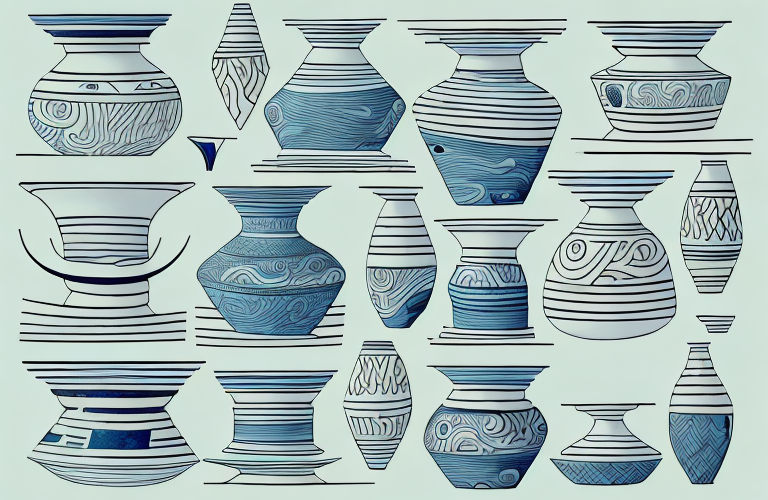

If you’re a lover of beautiful pottery and want to try your hand at creating your own, then investing in a table wheel is an excellent choice. A table wheel can help you create stunning pottery pieces that are both functional and decorative. From vases and bowls to plates and cups, a table wheel is an excellent tool for pottery making. In this guide, we’ll take a detailed look at using a table wheel for pottery making, from the history of pottery making with a table wheel to advanced techniques and projects.
The History of Pottery Making with a Table Wheel
The use of a table wheel for pottery making dates back to ancient times. In ancient Egypt, for example, the Egyptians used a rotating wheel to make pottery. The first table wheel used in Europe was invented by the Greeks in the fifth century BC. This invention and its spread around the world marked the start of pottery as we know it today. Since then, potters have improved and refined the technique over time, from using manual foot-powered wheels to electrical ones.
Today, pottery making with a table wheel is still a popular art form and hobby. Many people enjoy the tactile experience of molding clay into beautiful and functional objects. In addition to traditional pottery, modern artists have also experimented with new techniques and styles, such as using the wheel to create intricate patterns and designs. With the continued evolution of technology, it will be interesting to see how pottery making with a table wheel will continue to develop in the future.
The Advantages of Using a Table Wheel for Pottery Making
A table wheel has numerous advantages over other pottery-making techniques, making it an excellent choice for anyone looking to create unique and beautiful pottery pieces. One advantage is precision: a table wheel allows you to create perfectly symmetrical shapes with ease. Other advantages include the ability to create uniform thickness across your pottery piece and the ability to adjust your speed to get the desired results easily. A table wheel allows you to produce more pottery pieces in less time than if you were using other methods, making it a cost-effective choice.
Another advantage of using a table wheel is the ability to work with larger pieces of clay. With other techniques, it can be difficult to handle larger pieces of clay, but a table wheel allows you to work with larger amounts of clay with ease. This means you can create larger and more complex pottery pieces that would be difficult or impossible to make with other methods.
Additionally, using a table wheel can be a more comfortable and ergonomic option for pottery making. Other techniques, such as hand-building, can be physically demanding and put strain on your hands and wrists. With a table wheel, you can sit comfortably and use your body weight to control the wheel, reducing the strain on your hands and wrists. This makes it a great option for people with physical limitations or those who want to avoid injury while creating pottery.
Understanding the Different Types of Clay for Table Wheel Pottery
Before you start using your table wheel, it’s essential to understand the different types of clay used in pottery. Different types of clay affect the texture and color of your pottery, and you’ll need to choose the right type to achieve the desired results. Some popular types of clay include earthenware, stoneware, and porcelain. Earthenware is the easiest to manipulate while stoneware is denser making it more difficult to shape. Porcelain, on the other hand, has a hard and smooth surface great for creating fine details on your pottery.
Another type of clay that is gaining popularity among potters is ball clay. It is a fine-grained clay that is highly plastic and has a high level of binding power. This makes it ideal for creating intricate designs and shapes. Ball clay is also known for its ability to retain moisture, which makes it perfect for throwing on the wheel.
It’s important to note that the type of clay you choose will also affect the firing temperature and the glaze you use. Earthenware is typically fired at a lower temperature and is often glazed with bright colors, while stoneware and porcelain are fired at higher temperatures and are often left unglazed or glazed with more muted colors. Understanding the different types of clay and their properties will help you create beautiful and functional pottery that will last for years to come.
Preparing Your Workspace for Table Wheel Pottery Making
Before you begin using your table wheel, it’s essential to prepare your workspace properly. Make sure you have a clean and tidy workspace, free from any objects that could fall onto your pottery or interfere with your work. You’ll also need to ensure you have adequate lighting and ventilation to make it comfortable, wear appropriate clothing and fasten back long or loose hair. Additionally, cover your table with a drop cloth or newspaper to catch any excess clay, which can be messy.
Another important aspect of preparing your workspace for table wheel pottery making is to have all the necessary tools and materials within reach. This includes clay, water, a sponge, trimming tools, and a wire cutter. Having everything you need close by will save you time and prevent you from having to stop and search for items mid-process.
Finally, it’s important to take breaks and stretch your muscles during the pottery-making process. Sitting in one position for an extended period can cause strain on your back, neck, and shoulders. Take a few minutes every hour to stand up, stretch, and walk around to prevent any discomfort or injury.
Essential Tools and Supplies for Table Wheel Pottery
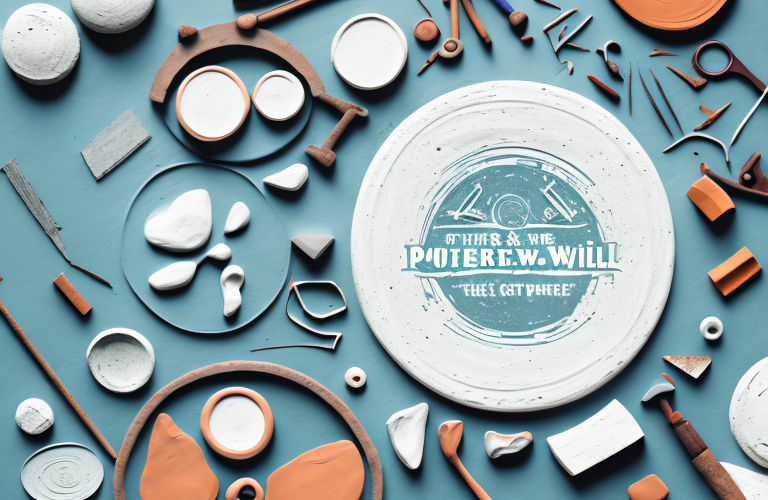
Using a table wheel requires several essential tools and supplies. Some of the necessary items include a table wheel, a bat (a round disc on which you place your clay for spinning), clay, sponges, water buckets, trimming tools, cutting wires, and a clay cutter. You may also want to invest in additional items like rubber ribs, calipers, and potters’ needles. Ensure you have all the necessary equipment before you start working.
It is important to note that the quality of your tools and supplies can greatly impact the outcome of your pottery. Investing in high-quality clay and tools can make a significant difference in the final product. Additionally, it is important to keep your tools clean and well-maintained to ensure they last longer and continue to produce quality work. Regularly cleaning your wheel, bat, and tools with a damp sponge or cloth can help prevent clay buildup and prolong the life of your equipment.
Step-by-Step Guide to Throwing Basic Shapes on a Table Wheel
Before you start creating your pottery masterpiece on your table wheel, it’s essential to learn the basics of throwing basic shapes. To begin, wedge your clay, the process in which you knead and smack the clay to remove any air bubbles. When your clay is ready, center it on your bat and make a conical shape. From there, you’ll create a bowl or cylinder shape by pulling up the walls, using water and a sponge to keep the clay moist as you work.
Adding Texture and Design to Your Table Wheel Pottery Creations
Once you’ve mastered basic shapes, you can start adding textures and designs to your pottery. There are many ways to add texture and design to your pottery, such as using various tools like stamps, brushes, and sgraffito. These techniques allow you to create unique and interesting patterns on your pottery, making each piece truly one-of-a-kind.
Tips and Techniques for Trimming and Finishing Your Pottery on a Table Wheel
After creating your pottery piece, it’s time to trim and finish your work. Trimming is the process that involves removing any excess clay and smoothing the edges of your pottery. Although there are many trimming tools to choose from, a sharp and flexible metal wire works best. You can finish your pottery with a variety of methods, including adding glazes or painting on top of your pottery piece to enhance its beauty.
Decorating and Glazing Your Table Wheel Pottery for Stunning Results
Decorating and glazing your pottery is where you can let your creativity shine. Glazes are colorful, glass-like coatings that give your pottery a shiny, finished look. Adding a glaze to your pottery piece requires you to follow specific procedures to achieve the best result. Techniques such as layering, spraying or dipping, and wax resist can all produce unique effects.
Troubleshooting Common Issues in Table Wheel Pottery Making
Even experienced potters couldn’t avoid some issues when making pottery. Knowing how to solve common issues such as cracking, warping, and uneven shapes can significantly improve your output. Perhaps the most prevalent problem that crop up is trapping air bubbles in your finished piece. However, with the right technique and tools, you can address and prevent these issues.
The Benefits of Joining a Community of Table Wheel Potters
Joining a community of table wheel potters can be a great way to learn new and advanced techniques and tips for pottery making. Whether you join a local club or an online community, you can find mentors and like-minded peers who can provide guidance and support. Additionally, having a group of people who share similar interests can d you more access to kilns and other tools and supplies.
Showcasing Your Beautiful Table Wheel Pottery Creations: Best Display Ideas
Once you’ve created your pottery masterpiece, it’s time to showcase it. There are many ways to display your pottery, from using shelves and plates or stands to creating a display cabinet. With the right display, you can turn your pottery into a statement piece that enhances your home decor.
Taking Your Table Wheel Pottery to the Next Level: Advanced Techniques and Projects
Once you’ve mastered the basics of table wheel pottery, you can move on to more advanced techniques and projects. Some of these advanced techniques include glazing, slip-trailing, and carving. You can also tackle more complex forms like teapots and lidded jars. The possibilities are endless, and with practice and patience, you can create complex and stunning pottery projects.
Conclusion: The Joy and Satisfaction of Creating Beautiful Pottery on a Table Wheel
Creating beautiful pottery on a table wheel is a rewarding and satisfying hobby. With the right tools, techniques, and practice, you can create one-of-a-kind pieces that truly showcase your creativity and talent. Whether you’re a beginner or an experienced potter, using a table wheel for pottery making is a journey that you’ll find both enjoyable and enriching. So why not give it a try today?