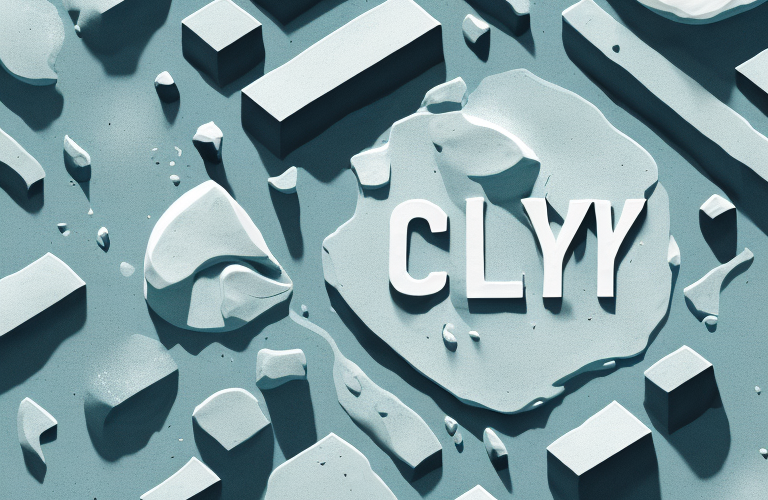

Have you ever wanted to sculpt something beautiful out of clay but weren’t sure what type of clay will stand up to the test of time? There are certain types of clay that have a high resistance to breaking and can be great for creating lasting sculptures, pottery, and other creative projects. Before diving in and creating something out of clay, it’s important to understand the properties that make certain types of clay difficult to break and the benefits of using it. In this article, we’ll cover the properties of clay that make it resistant to breaking, the types of clay that are difficult to break, techniques for increasing the strength of clay, how to test the durability of clay, examples of projects utilizing clay that is difficult to break, benefits of using clay that does not break easily, and some common misconceptions about clay and its durability.
Properties of Clay that Make it Resistant to Breaking
Clay is a type of sedimentary material composed of fine-grained particles of various minerals. Different types of clay vary in their hardness, texture, and durability. Clay is manipulated into different shapes and forms by pressing and sculpting, and the heat and pressure accelerate the bond between the particles. This makes certain forms of clay very resistant to breaking. Some clays contain more sand or grog than others, which helps ensure resistance to cracking.
Types of Clay that are Difficult to Break
The most common type of clay for pottery and sculpture is earthenware clay, which is packaged and available in a variety of colors. Earthenware clays tend to be more prone to breakage than other types of clay. However, some of the more durable clays include stoneware, porcelain, fireclay, terracotta, and cement. Stoneware clays are much denser and harder than earthenware clays, while porcelain is even denser and more durable. Fireclay is a type of clay found in brickmaking, while terracotta and cement are ideal for outdoor sculpture and architecture due to their strength and resistance to the elements.
Techniques for Increasing the Strength of Clay
The properties inherent to different types of clays are responsible for their strength and durability, however there are also techniques available to help enhance whatever strength and durability the clay may already have. Be sure to avoid any large air gaps in your work as air bubbles create an easy pathway for moisture and cause problems with strength and durability. Having one’s pieces correctly bisque fired also helps ensure strength as it removes all moisture content from the clay. Another technique is to add fiber-like pieces of cotton or fiberglass tape before forming it into final shape; these will add strength without impacting the aesthetic.
How to Test the Durability of Clay
It’s always a good idea to test out any new type of clay you plan on using before investing time into a project. To test any type of clay’s durability try bending a small piece until it breaks. If it requires more force to break than expected, then this is a good indicator that this particular type of clay is more durable than others. You can also press your fingernail into soft clay – if your fingernail makes a permanent imprint then the clay is too soft for sculpting but might be fine for pottery.
Examples of Projects Utilizing Clay That is Difficult to Break
Many projects require a strong, durable material that can stand up against the elements. Clay can be used to create unique sculptures, pottery, tiles, building foundations and walls, roofing systems, drainage systems, and more. For example, terracotta sculptures are often used outdoors since they are very resistant to the weather. Clay can also be combined with other materials like wood or concrete to create unique shapes and structures.
Benefits of Using Clay That Does Not Break Easily
Using harder, durable clays comes with many advantages. These types of clay tend to last longer since they are more resistant to wear and tear than softer clays. When fired in a kiln at high temperatures, these types of clay become even stronger and more reliable. On top of this, if you’re intending on creating something functional like pottery or roof tiles the stronger the clay is meaning it’s more likely to hold up over time.
Common Misconceptions about Clay and Its Durability
It’s important to remember that not all clays are created equally and not all clays have the same durability as each other. Some people believe that any type of clay is durable simply because it is fired in a kiln; however, this isn’t always the case as some clays may still crack or break if not fired correctly. It’s also common to assume that all sculptures made from clay will be strong enough to last a long time when this isn’t necessarily true – it takes a special combination between technique used when forming the object and certain types of clay to ensure a lasting work.
Making sure to understand the properties that make certain types of clay difficult to break as well as understanding what techniques will enhance any existing strength they may possess can help anyone create truly unique pieces of pottery or sculptures utilizing durable clay. Knowing what type of clay best suits your project and understanding how to test its durability can help ensure that you end up with something beautiful that will stand up over time.