Clay firing is an important process in the art of pottery and jewelry making. It is a delicate process that takes plenty of practice and patience to master. But understanding the different stages of firing is essential to the success of any clay project. Knowing how many times you need to fire clay depends largely on the type of clay and the desired outcome.
What are the benefits of firing clay?
The process of firing clay results in a much more durable and permanent material than raw clay. Firing clay also changes its color and strengthens the clay, making it much stronger and less likely to shatter. Clay firing also allows for intricate details in the clay’s surface to stay intact.
Firing clay also makes it more resistant to water and other elements, making it a great choice for outdoor sculptures and other pieces that will be exposed to the elements. Additionally, firing clay can also be used to create glazes and other decorative finishes, allowing for a wide range of creative possibilities.
Understanding the Different Types of Clay Firing
When it comes to firing clay, there are two main types: biscuit firing and glaze firing. Biscuit firing is the first step of clay firing. This type of firing usually takes place at about cone 04 (1128°C). During biscuit firing, excess moisture is removed from the clay, making it hard and stable. This type of firing also gives clay its characteristic color.
Glaze firing is the second step of clay firing. During this step, colors, glazes, and other decorative material are applied to the surface of the clay. Once these glazes are applied, the clay must be fired at a much higher temperature (cone 5-6, 1193°C-1397°C). The result of glaze firing is a unique, glossy look to your piece.
It is important to note that the type of clay used will determine the type of firing that is necessary. For example, earthenware clay requires biscuit firing, while stoneware clay requires both biscuit and glaze firing. Additionally, the type of glaze used will also affect the firing temperature. Different glazes require different temperatures in order to achieve the desired results.
What Temperature is Appropriate for Firing Clay?
The temperature necessary to fire clay depends on the type and size of your piece. For instance, small pieces (like rings) will require a lower temperature than large pieces (like jugs). Generally, biscuit firing requires temperatures around 1128°C (cone 04), while glaze firing requires temperatures around 1397°C (cone 5-6). Firing at a lower temperature than necessary can cause cracking and other problems with your pieces.
Prepping Your Clay for Firing
Before you fire you clay, you need to make sure that it is prepared for the process. This involves drying the clay thoroughly before putting it into the kiln and making sure that the clay does not have any air bubbles or cracks. Additionally, you should make sure that your clay is free from any foreign substances (like dust or dirt).
Safety Tips for Firing Clay
Safety should always be a top priority when firing clay. Clay is flammable, so it is important to use proper ventilation when working with it. Always wear protective clothing and ensure that your workspace is well-ventilated. You should also make sure that you have an appropriate fire extinguisher handy in case any accidents occur.
How to Avoid Common Mistakes During Firing
Firing clay is a delicate process and mistakes can easily occur if not done properly. Some of the most common mistakes are related to temperature and moisture levels. If your kiln does not reach high enough temperatures, your pieces may not turn out well. Additionally, if the clay is not dried properly before being fired, you may end up with cracked or warped pieces. It is important to take your time when firing clay and make sure that you get it right.
Finishing Techniques After Firing Clay
Once your pieces have been fired, they will need to be finished with some additional materials and techniques. You can use oils or waxes to seal and add additional shine to baked pieces. Additionally, you can use sandpaper or other abrasive materials to give your pieces a textured look. These finishing touches can help make your finished pieces look even more professional.
What Tools Do You Need to Fire Clay?
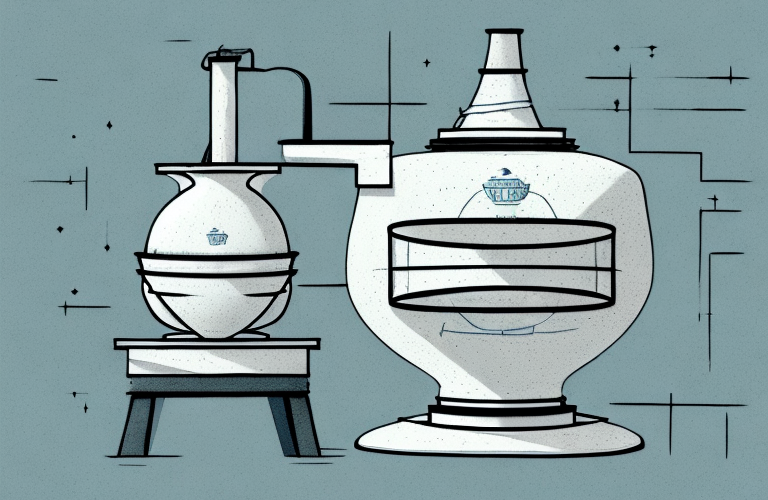
The tools necessary for firing clay depend on the type of kiln you choose to use. Most small-scale pottery makers opt to use electric kilns, which make use of heat coils to heat up the kiln to suitable temperatures. Alternatively, some pottery makers prefer gas kilns, which run off natural gas or propane and require a specially-equipped building with a nearby exhaust system.
Troubleshooting Problems with Firing Clay
Sometimes, even when all precautions are taken, mistakes or accidents can occur during the firing process. If your pieces do not turn out as expected, you should check for common problems like uneven heat distribution, incorrect temperature settings, or too much moisture in the clay before your unfired pieces were put in the kiln.
Overall, understanding the process of how many times you fire clay is key to success in pottery and jewelry making. With patience and practice, anyone can master this technique and create beautiful pieces that will last a lifetime.