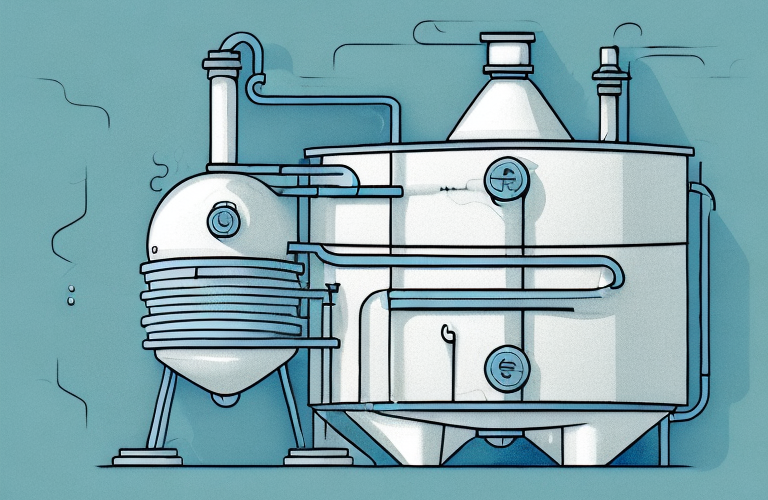

Using an oven as a kiln can be an economical and efficient way to fire a variety of different projects. It can also be dangerous and difficult, so before you try to use yours as a kiln, it’s important to understand the advantages and disadvantages, as well as the tools and safety considerations involved.
Advantages of Using an Oven as a Kiln
One of the key advantages of using an oven as a kiln is the cost. Compared to the price of buying a separate kiln specifically for the purpose of firing projects, buying a regular oven is much cheaper, and can be perfect for small-scale use. It’s also incredibly convenient. There’s no need to fiddle with setting up a kiln – you can simply pop items in the oven without having to buy extra supplies. Another benefit of using an oven is that you can use it to fire projects made from materials that require different temperatures.
Disadvantages of Using an Oven as a Kiln
Using an oven as a kiln does come with its downsides. One of the major disadvantages is that it’s difficult to precisely control temperatures. An oven does not provide the range of temperatures that kilns are capable of providing, which means firing objects at a higher temperature – like ceramics – can be almost impossible. It’s also hugely important to consider safety when firing kilns, and an oven is not designed to fire objects at these temperatures and may not be as safe as a kiln would be.
What Tools Are Needed to Use an Oven as a Kiln?
Using an oven as a kiln will require different tools than using a typical kiln. You will need a kiln shelf, kiln stilts, and kiln posts to set up your oven and ensure that your project pieces are properly distanced from the heating elements inside your oven. Most ovens will have a limited range of adjustable temperatures, so you may need to purchase an independent thermometer that sits inside the oven in order to more accurately measure the temperature of your firing environment.
What Types of Projects Can Be Completed Using an Oven as a Kiln?
Although an oven is much more limited than a typical kiln, many projects can still be fired in an oven at lower temperatures, including glass pieces, jewelry, and pewter. However, it should never be used for firing ceramics, which requires higher temperatures than most domestic ovens are capable of providing.
How to Use an Oven as a Kiln
Using an oven as a kiln is relatively straightforward, but still needs to be done carefully to ensure safety. Firstly, check that your setup meets your requirements – check that your kiln shelf, stilts and posts are all in place and that everything is securely connected. Then, turn your oven on and adjust it to the desired temperature. You can check the internal temperature using an external thermometer – make sure this is just out of reach of the heat sources inside the oven. Once the oven reaches the right temperature, place your object on the shelf and let it fire. Make sure you are actively monitoring it at all times, and adjust the temperature if necessary. Finally, after firing is complete, turn off the oven and allow the piece to cool down before taking it out.
Tips For Using an Oven as a Kiln
When using an oven as a kiln, it’s important to remember to keep safety at the forefront of your mind. Make sure your setup is firmly secured, wear safety goggles and gloves, and keep everything away from open flames or sparks. Also, it’s important to keep an eye on your internal temperature. An independent thermometer can help with this. Finally, it’s important to remember that an oven is much more limited than a traditional kiln in terms of temperature range – make sure you are not firing projects that require greater temperatures than your oven can provide.
Safety Considerations When Using An Oven As A Kiln
When using an oven as a kiln, it’s essential to take all necessary safety precautions to avoid any risks. This includes wearing safety goggles and gloves when handling materials at high temperatures or dealing with sharp or fragile pieces. Make sure you are using proper ventilation and avoid any open flames or sparks near the oven. Finally, never leave the project unattended – make sure someone is monitoring it at all times.
Alternatives to Using An Oven as A Kiln
If you’re looking for alternatives to using an oven as a kiln, there are three main options available. The first is to buy or build an appropriate kiln that meets your needs in terms of size, shape, temperature range and cost. The second option is to look for access to community kilns or those in educational institutions. The third option is to look for local services that offer kiln-firing services – this could be a cheaper option than buying or building your own.
When it comes to firing projects at home, using an oven as a kiln can be cheaper, quicker and easier than buying or building your own kiln. However, it’s important to understand the disadvantages and safety considerations that come with this option before you try to fire anything at home. By following all necessary safety precautions and understanding what projects are suitable for firing in an oven, you can ensure that your projects turn out perfectly every time.