

When it comes to ceramics, pottery, and other crafting projects, the kiln is an essential tool. But can you leave a kiln unattended while in operation? While there are certain safety risks involved, it’s possible to leave a kiln unattended with the right precautions. In this article, we’ll take a deeper look into the types of kilns available, the safety risks of leaving a kiln unattended, and how to set up an automated system for controlling the temperature of a kiln.
What is a kiln?
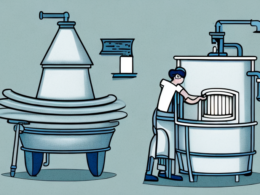
A kiln is an oven-like device that’s used to heat materials in order to dry or shape them. They’re a common tool for crafters and are used for a wide variety of tasks, such as firing pottery, glazing ceramic pieces, and drying wood for carving. Kilns come in different shapes and sizes, as well as different types, depending on the type of project being done.
Kilns are typically heated by electricity, gas, or wood, and the temperature can be adjusted depending on the project. For example, pottery is usually fired at temperatures between 1,000 and 2,000 degrees Fahrenheit, while wood is usually dried at temperatures between 150 and 200 degrees Fahrenheit. The type of kiln used will also depend on the project, as some kilns are designed to reach higher temperatures than others.
What are the safety risks of leaving a kiln unattended?
Leaving a kiln unattended while it’s in operation can increase the risk of fire or explosion. It’s essential to keep the area surrounding the kiln free of flammable materials and combustible items. The kiln must also be placed in an area that is ventilated properly and away from any sources of heat or fire. Additionally, electric kilns should never be left unattended for long periods of time.
What type of kiln should be used for what tasks?
The type of kiln you use should depend on the type of materials you’re working with. If you’re using clay, you’ll need an electric kiln that can reach high temperatures quickly and evenly. For woodworking projects, a gas kiln is typically recommended because it offers more control over the heat and can reach lower temperatures for drying wood. For glass projects, an oven-type kiln may be required.
Are there any precautions to take when leaving a kiln unattended?
When leaving a kiln unattended, it’s important to ensure the area is properly ventilated and free of flammable materials. Additionally, if you’re leaving an electric kiln unattended for an extended period of time, it’s best to disconnect it or have it monitored remotely. And finally, it’s important to use caution when turning the kiln off, as materials may still be cooling inside and require extra time to shut down.
How long can a kiln be safely left unattended?
It’s safest to leave a kiln unattended for a maximum of two hours. The exact amount of time can vary based on the type and size of the kiln, as well as the amount of material being heated, so it’s important to take these factors into consideration. Additionally, electric kilns should never be left unattended for long periods of time.
What are the benefits of leaving a kiln unattended?
Leaving a kiln unattended can be beneficial in some cases as it can help free up time while allowing projects to work their magic. This is particularly helpful when working with projects that require longer baking times, such as ceramics or pottery. It also allows craftsmen to have more control over the temperature and moisture levels of their project.
How to set up an automated system for controlling the temperature of a kiln?
Setting up an automated temperature control system for a kiln isn’t as difficult as it may seem. Most modern electric kilns come with thermocouples and thermostats built in, which allow the temperature of the kiln to be monitored and switched on and off remotely. Additionally, many kilns come with features such as timer programs, so craftsmen can set their fire-up and shut-off times ahead of time.
What are the different types of kilns used for different tasks?
The type of kiln that you use will depend on what kind of material you’re working with. For example, an electric kiln would be best for clay items, while a gas-fired kiln would be better suited for woodworking projects. For glasswork, an oven-type kiln may be required. Some craftspeople may also opt for a multi-purpose kiln that can accommodate all three types of material.
Is it possible to monitor a kiln remotely while it is unattended?
Yes, it is possible to monitor a kiln remotely while it’s unattended. Most modern electric kilns come with thermocouples and thermostats built in which allow for remote monitoring of the temperature. Additionally, many modern kilns come with features such as timer programs so craftsmen can set up their fire-up and shut-off times ahead of time. This can help reduce the risk of leaving a kiln unattended while still ensuring it works properly.
We hope this article has provided you with a better understanding of leaving a kiln unattended. With the right precautions, it’s possible to leave your kiln unattended while still ensuring safety. Remember to pay attention to the type of material you’re working with and make sure your area is properly ventilated and free of combustible materials.