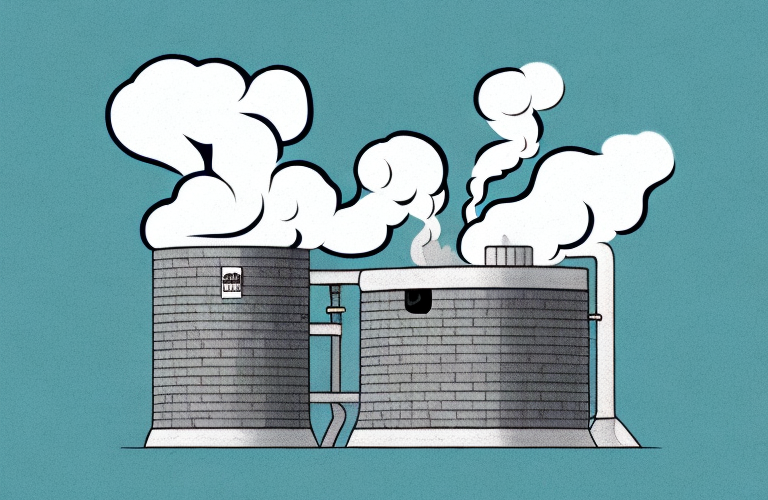

Electric kilns are commonly used by artists and potters to heat clay and ceramics to a high temperature, hardening them permanently. This is an essential process in a wide range of creative crafts, and is itself a form of artifice. But when using an electric kiln, it is important to remain mindful of potential safety hazards – one of which is carbon monoxide, an invisible gas that is deadly to humans.
What is carbon monoxide?
Carbon monoxide is an odorless, tasteless and colorless gas. It is produced when the fuel used in engines and stoves starts to burn incompletely. It is potentially hazardous when released into confined spaces, as it can cause dizziness, confusion and death with prolonged exposure. At low levels, it is also known to cause headaches, nausea and difficulty concentrating.
Carbon monoxide is a major air pollutant and is the leading cause of accidental poisoning deaths in the United States. It is important to be aware of the potential dangers of carbon monoxide and to take steps to reduce exposure. This includes installing carbon monoxide detectors in your home, having your fuel-burning appliances inspected regularly, and ensuring that your home is well-ventilated.
What is an electric kiln and how does it work?
Electric kilns are devices that uses electric current to produce high temperatures of up to 2000°F (1093°C). Inside the kiln, clay and other materials are heated to a high temperature for a pre-determined period of time before the cycle completes. Electric kilns are typically quite efficient, but they can also be prone to releasing high levels of carbon monoxide if operated incorrectly or poorly maintained.
Electric kilns are used in a variety of industries, including pottery, ceramics, and metalworking. They are also used in the production of glass, enamels, and other materials. Electric kilns are typically powered by either a single-phase or three-phase power supply, and they can be used to fire a variety of materials, including clay, porcelain, stoneware, and earthenware.
Are electric kilns safe to use?
When operated correctly and with the correct safety precautions in place, electric kilns are generally safe to use. Regular maintenance is necessary to ensure that the kiln is performing effectively and that all safeguards are up to date. For example, the kiln must be plugged into an outlet that has been properly grounded – something that should be checked before use.
It is also important to wear protective gear when using an electric kiln, such as safety glasses, gloves, and a face mask. Additionally, the kiln should be placed in a well-ventilated area to reduce the risk of fumes and smoke. Finally, it is important to read and follow the manufacturer’s instructions for use and safety.
What are the potential dangers of using an electric kiln?
One of the biggest potential dangers of using an electric kiln is the release of carbon monoxide. This invisible, odorless gas can quickly build up in enclosed areas, potentially causing dizziness, confusion and, at high concentrations, death. It is important to remember that without an effective ventilation system, carbon monoxide levels can quickly become hazardous.
In addition to carbon monoxide, electric kilns can also produce other hazardous gases, such as sulfur dioxide and nitrogen dioxide. These gases can cause respiratory irritation and other health problems. It is important to ensure that the kiln is properly ventilated to reduce the risk of exposure to these gases.
How can electric kiln users protect themselves from carbon monoxide exposure?
Proper ventilation and regular maintenance are essential for protecting against carbon monoxide exposure in electric kilns. Regularly check for any gas leaks or other faults that could be causing incomplete combustion, and install proper ventilation equipment if necessary. Additionally, limit the amount of time spent working in the kiln room, and make sure to open windows if you’re operating an electric kiln indoors.
What safety measures should be taken when operating an electric kiln?
Aside from proper ventilation and regular maintenance, there are several safety measures that must be taken when operating an electric kiln. Placing fire alarms near the kiln room is a good idea, as is installing a reliable carbon monoxide detector. Additionally, never operate an electric kiln without first wearing protective clothing, eye protection and gloves.
Are there regulations for electric kilns and carbon monoxide emissions?
In most countries and regions, there are laws and regulations in place regarding the safe operation of electric kilns and the release of carbon monoxide. Generally, these laws require specific ventilation equipment and regular maintenance checks. Additionally, they often mandate the installation of smoke alarms and carbon monoxide detectors near the kiln room.
What are the environmental impacts of electric kilns?
Electric kilns are generally very efficient, with low emissions of both particulates and carbon monoxide. However, improper operation or maintenance can lead to increased emissions of these pollutants, potentially putting both people and the environment at risk. Regular maintenance can help reduce emissions, as can the installation of effective ventilation systems.
Conclusion
Electric kilns are great tools for artists and potters, allowing them to harden materials to a specific temperature with accuracy and precision. They are also generally very efficient, with minimal environmental impacts. However, when using an electric kiln, it is important to follow safety precautions and make sure all ventilation systems are in good working order —this will help ensure that you avoid dangerous levels of carbon monoxide exposure.