The regular maintenance of your kiln is essential to its longevity and effectiveness. To keep your kiln in optimal condition, it is important to periodically clean and care for the interior of the kiln. Whether you are tackling a major clean-up or a simple wipe-down, there are best practices for cleaning the inside of a kiln that will help ensure your kiln remains in excellent shape.
What Kinds of Cleaning Products are Best for Kiln Maintenance?
The first step to properly maintaining your kiln is to choose an appropriate cleaning product. Your local ceramics shop may be able to provide you with a specialized ceramic or kiln cleaner. These cleaners are specially formulated to be safe for use in the interior of the kiln. If such cleaners are not available, look for a non-abrasive, non-alcoholic cleaner or a vinegar solution instead. In either case, it is important to always read the instructions on the product to make sure it is safe to use inside the kiln.
When cleaning the interior of the kiln, it is important to use a soft cloth or brush to avoid scratching the surface. Additionally, it is important to make sure that the kiln is completely dry before firing it again. If the kiln is not completely dry, it can cause damage to the kiln and the pieces inside.
Step-by-Step Instructions for Cleaning the Interior of a Kiln
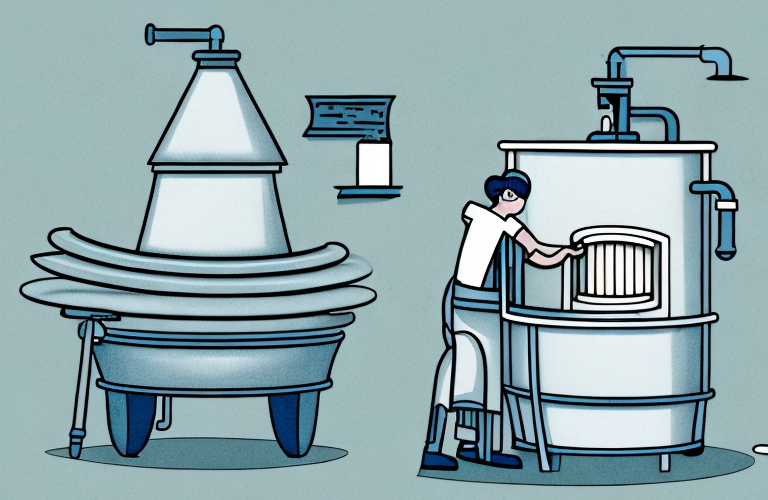
Now that you have your cleaning product ready, it is time to begin the process. Start by unplugging the kiln and allowing it to cool. Once the kiln is cool, remove the shelves and other elements from the interior. Use a soft cloth or paint brush to gently brush away loose debris from the kiln walls and base. Next, dampen a rag or paper towel with your cleaning solution and use it to wipe down all surfaces inside the kiln. Give special attention to door seals and control housings as these areas tend to trap dirt and grime. Once you’ve completed this step, be sure to wipe down all surfaces with a clean damp rag to remove any remaining residue of cleaning solution.
Finally, allow the kiln to dry completely before replacing the shelves and other elements. Once the kiln is dry, plug it back in and you are ready to begin firing again. Regular cleaning of the interior of your kiln is essential for maintaining its performance and ensuring that your pieces come out looking their best.
Important Safety Precautions for Cleaning a Kiln
Before you begin the actual cleaning process, be sure to take the necessary safety precautions. Wear protective glasses or goggles and a face mask to ensure that you are fully protected from cleaning fumes, dust, and debris. In addition, be sure to keep children and pets away from the kiln during the cleaning process. Working with high levels of heat can be dangerous and should not be attempted by untrained personnel. If you have any doubts about cleaning your kiln safely, be sure to contact a professional.
Techniques for Removing Stubborn Residue and Spillage from the Interior of a Kiln
When it comes to removing stubborn build-ups of glaze, slips, or other residues from the interior of a kiln, there are various techniques that can be employed. You can use nylon bristle brushes or plastic putty knives to scratch away build-ups without damaging the interior of your kiln. If residues are still not budging, you may need to use a strong cleaner or special abrasive powder like Bar Keepers Friend. Be sure to read the instructions on the product before use.
Benefits of Regularly Cleaning the Inside of a Kiln
Regularly cleaning your kiln is important for both performance and safety reasons. Not only does it ensure that your kiln continues to fire properly and efficiently, but it also helps prevent dangerous build-ups of debris that could cause explosions or fires. A clean kiln is also much easier to fire and can produce higher-quality results.
Tips for Drying and Caring for the Interior of a Kiln
Once you’ve finished cleaning the interior of your kiln, a few simple steps can help keep your kiln in top condition. Always be sure to dry out any wet surfaces thoroughly as moisture can cause corrosion in the kiln components. You should also oil any exposed metal parts in order to prevent rusting and extend their life. Finally, inspect the kiln for any broken sealants or cracks in the bricks and conduct any necessary repairs.
Warnings About Cleaning Solutions And Gases In A Kiln
Some cleaning solutions and chemicals can be dangerous when used in an enclosed space such as a kiln. Be sure to use cleaning products designed for safely cleaning an interior kiln space; if you need help selecting an appropriate product, consult a ceramic technician or your local pottery supply store. It is also important to note that some glazes contain hazardous materials such as lead and arsenic, so care should be taken when using such glazes in your kiln. Make sure you read all product information thoroughly before using any glaze or cleaning product in or around your kiln.
Cleaning and caring for the interior of your kiln doesn’t have to be a daunting or complicated task. By following these simple instructions and safety precautions, you can ensure that your kiln continues to fire efficiently and effectively.