
Opening a kiln is the exciting moment that potters and ceramicists both eagerly await after a long firing process. But for those who are new to the pottery-making process, it can be difficult to know exactly when to open the kiln. To ensure a successful kiln firing, it is important to understand the safety considerations and timing of when to open the kiln after firing. In this article, we will guide you step-by-step through the process of understanding how soon you can open a kiln after firing, as well as explore some common issues and troubleshooting tips.
Safety Considerations for Opening Kilns
Before we look at the ideal time to open a kiln, let’s first explore some safety considerations. Opening a kiln during or shortly after firing is not recommended as it can be a dangerous endeavor. All types of kilns produce high temperatures during the firing process, which can remain inside the kiln for many hours after the firing has ended. It is important to note that hot gases and particles can escape from an open kiln and affect anyone in the vicinity. Additionally, opening the kiln too soon can damage your ceramic ware and cause the heat to cause damage to your kiln or workspace. Therefore, it is essential to always wait until an appropriate time to safely open your kiln.
Determining the Ideal Time to Open a Kiln
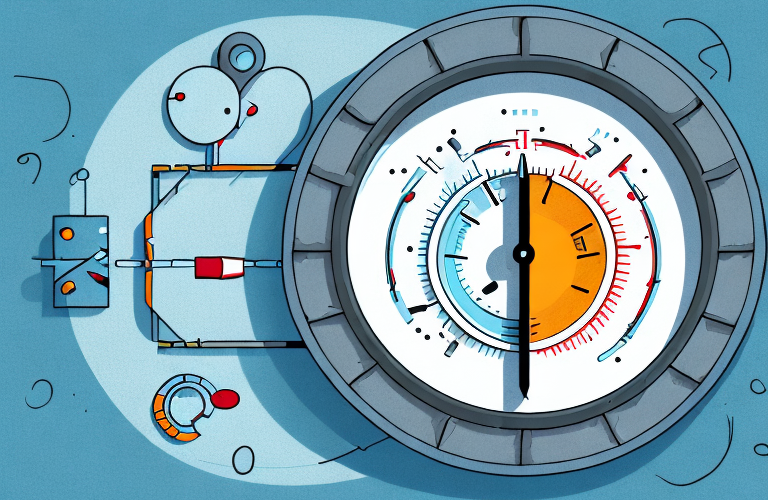
Now that we have discussed the safety considerations, let’s discuss how to determine the ideal time to open a kiln after firing. The most popular method used by pottery makers for determining when to open the kiln is by using the heat of the kiln walls itself. When the heat of the kiln walls has cooled down to approximately 150 to 160 degrees Fahrenheit (65 to 71 degrees Celsius), it is usually safe to open the kiln. However, it is important to allow ample time for cooling, as air rushing in from outside can cause instability in the heat within.
Factors that Affect Kiln Cool-Down Time
In addition to knowing when to open the kiln, it is also important to know what factors can affect the cool-down time of your kiln. One of the main factors affecting cool-down time is the type of clay and glaze used in your pieces as well as the size, shape and weight of your pieces. Heavy and large pieces will take longer to cool than smaller pieces. Additionally, different types of glazes and clay will have different cooling properties and may take longer or shorter time periods to cool. The type of kiln used can also have an effect on cool-down time, as electric kilns tend to cool down faster than gas kilns.
The Effects of Opening a Kiln Too Soon
Opening a kiln too soon is never recommended. Not only can it be dangerous for those near the kiln, it can also lead to issues with your finished pieces. Opening the kiln too soon can result in wood and metal pieces becoming damaged or distorted due to the intense heat still inside the kiln. Additionally, opening the kiln too soon can cause glazes to run or become mis-shapen, as well as cause deforming or cracking of your pieces. It is therefore always important to follow manufacturer recommendations and wait until the kiln has cooled down to safe temperatures before opening.
Preparing the Kiln for Opening
Before you open your kiln, there are a few steps you should take in order to ensure a safe opening process. Firstly, it is important to make sure that any combustible materials are away from the kiln before you open it. This includes any combustible gases, liquids or materials such as dust or paper towels that could potentially ignite when exposed to high temperatures. Additionally, ensure that there are no flammable objects in and around your workspace, as they could be ignited by hot sparks and gases that may escape during opening.
Tips for a Smooth Kiln Opening Process
Once your kiln is ready for opening, there are some tips that can help make this process smoother and safer. Always wear protective gloves when opening so that your hands are not exposed to hot metal surfaces. Additionally, be prepared for smoke when you open the door, as this is normal. To reduce any risk of damage, use a kiln opener tool such as long-handled tongs or a clay claw, as these can help reduce any sudden exposure of cold air rushing into the hot environment of a recently fired kiln.
Troubleshooting Common Issues with Opening a Kiln
Finally, if you encounter any issues when attempting to open your kiln, here are some troubleshooting tips that may help:
- Make sure that all combustibles have been removed from near your workspace.
- Allow ample time for cooling before trying to open.
- Check that there are no flammable objects in and around the area.
- Ensure that you have protective gloves on when opening.
- Use an appropriate opener tool such as clay claws or tongs.
Following these tips can help ensure that you open your kiln safely and successfully. By following these steps and understanding when it is safe and appropriate to open a kiln, you will be one step closer to creating beautiful pottery pieces.