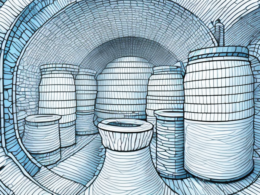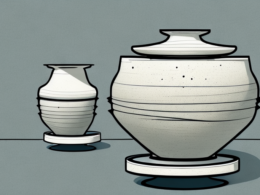
Making pottery is an immensely rewarding creative process; for those interested in crafting their own ceramic masterpieces, one of the most important steps is bisque firing the clay. Bisque firing is the initial round of firing of clay in an oven, and while it doesn’t reach the high temperatures necessary for glaze firing, it is an absolutely essential process. But what if you don’t bisque fire your clay? Let’s find out.
The Benefits of Bisque Firing
Bisque firing is the first critical step in the ceramic-firing process. This first round of heat helps strengthen the bonds within the clay, causing it to become solid, sturdy, and ready for long-term use. This process also improves your pottery’s overall durability and color. Bisque firing can also hold several important differences in how you form your pottery piece, depending on how you want to shape your craft.
Bisque firing can also help to create a more even surface texture on your pottery. This is because the heat helps to even out any inconsistencies in the clay, resulting in a smoother finish. Additionally, bisque firing can help to create a more vibrant color in your pottery. The heat helps to bring out the natural colors of the clay, resulting in a more vibrant and eye-catching piece.
What Happens to Clay Without Bisque Firing?
If you fail to bisque fire your clay before glazing, the clay will be too weak to properly hold its form as it is baked with a glaze. This can result in an uneven or distorted structure and a potential breakage disaster. Even at temperatures much lower than those a glaze requires, the shock of heat can cause the clay to crack or crumble. In the worst cases, ceramic artists who have failed to bisque fire can end up with ruined projects that are simply not fixable.
Bisque firing is an important step in the ceramic process, as it helps to strengthen the clay and make it more durable. It also helps to remove any impurities that may be present in the clay, such as air bubbles or excess moisture. By bisque firing the clay, you can ensure that your project will be strong and durable enough to withstand the higher temperatures of glaze firing.
What Can You Do With Unbisqued Clay?
Although it’s not ideal, unbisqued clay can still be used. If you need to work quickly or have limited space or resources, you can create lightweight items with air-dried clay that doesn’t require an oven or bisque firing. Obviously, air-dried pottery will not be as strong as bisqued pieces; this kind of clay should only be used for decorative purposes and does not stand up to heavy use such as everyday tasks.
Understanding the Difference Between Bisque and Glaze Firing
Bisque firing and glaze firing are two distinct processes in the pottery-making process. Bisque firing is the process of heating clay to a relatively low temperature and hardening it to a point where it won’t lose its shape when handled or moved. Glaze firing is a much more involved process, requiring greatly increased temperatures to fix the glaze and bring out its colors and textures.
Preparing to Bisque Fire Your Clay Pieces
Once you’re familiar with the different stages of firing clay, you can begin preparing for your own bisque firing session. Before you begin, make sure that all pieces are completely dry and that no excess clay or water is left on them. You should also make sure your pieces are clean, free from cracks or deformations, and sized correctly for the kiln they will be fired in.
Tips for Successful Bisque Firing
Once you start the bisque firing process, it’s important that you take all the steps necessary to get the most out of your firing session. Make sure to properly preheat the kiln before placing your pieces inside; a slow preheat is often recommended. This helps make sure the piece takes shape properly. If a piece requires additional time to achieve full hardening, make sure to allow for that extra time.
Troubleshooting Issues During Bisque Firing
As with anything, issues can arise during bisque firing. Pieces may not take shape as desired or may require additional time to harden completely. In cases such as these, keep in mind that there isn’t always a single perfect temperature or result; depending on your project, you may need to change up small details or techniques in order to get the perfect bisque fired clay.
Finishing Touches After a Successful Bisque Fire
Once your pieces have been successfully bisque fired and cooled, do a final inspection and make any necessary modifications. If a piece requires an additional layer of glaze after bisque firing, you should be able to tell during your inspection and make adjustments as needed. Be sure to store pieces in a safe place and away from moisture to prevent damage.
Bisque firing is an essential part of making beautiful ceramic pieces. Knowing the basics of what happens if you don’t bisque fire and what steps should be taken to prepare for a successful session can help artists get the best outcome with their projects. If you have any questions or concerns while preparing to bisque fire, don’t hesitate to ask an experienced potter or ceramic expert.