
Firing up a home kiln can be an exciting prospect, but how much will you be spending? Fortunately, kilns aren’t too hard on the wallet compared to other hobbies. Depending on the size and type of kiln, you might have to make a substantial investment up front. After that, most of the costs will be covered with materials and supplies as needed.
What type of kiln should I get for my home?
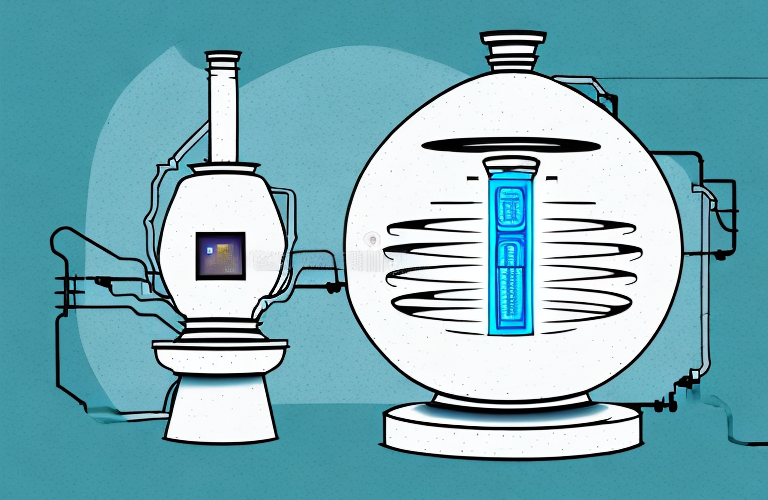
First and foremost, it’s essential that you choose the right kiln for the job. Kilns come in all shapes and sizes, and knowing the type of pieces you plan to fire will help determine which kiln is best. For larger pieces and higher temperatures, a gas-fired kiln is typically recommended. Ceramic artists may opt for an electric kiln, while glass workers usually require a small blast furnace.
When selecting a kiln, it’s important to consider the size of the pieces you plan to fire, as well as the temperature range you need. Additionally, you should consider the cost of the kiln, as well as the cost of fuel or electricity to power it. Finally, you should also consider the safety features of the kiln, such as a built-in shut-off switch or a timer.
What are the pros and cons of using a home kiln?
One of the advantages of having a home kiln is that it allows you to work on projects at your own pace. You no longer have to depend on a commercial firing facility and its schedule. Additionally, many artists enjoy the independence of firing and cooling pieces in their own workspace. The downside is that these smaller furnaces lack the high temperatures necessary for certain projects.
Another disadvantage of using a home kiln is the cost. Home kilns can be expensive to purchase and maintain, and they require a dedicated space for installation. Additionally, they require a significant amount of electricity to operate, which can add to the cost of using a home kiln. Finally, the process of firing and cooling can be time-consuming, and it requires a certain level of skill and knowledge to do it correctly.
What materials can a home kiln be used to fire?
The materials you can fire in a home kiln are wide-ranging. Depending on the size and fuel source, ceramics, glass, enamel, bronze and even some metals can be fired. However, if you’re planning to fire precious metals or other expensive items, it may be best to research material-specific kilns or prefer using a professional firing facility.
When firing in a home kiln, it is important to be aware of the temperature range and the type of fuel used. Different materials require different temperatures and fuel sources to ensure that they are fired correctly. Additionally, it is important to be aware of the safety precautions that need to be taken when firing in a home kiln, such as wearing protective gear and ensuring that the kiln is properly ventilated.
What safety precautions should I take when using a home kiln?
Kilns can get incredibly hot and are often built of materials that are flammable. Always wear protective gear such as heat-resistant gloves, safety glasses and clothing when working with a kiln. Additionally, it’s important that your workspace is well ventilated to protect against smoke and fumes. Be cautious when opening the kiln, as jets of steam and heat can be released.
What materials and supplies do I need to use a home kiln?
Using a home kiln will require proper supplies and materials. Ceramic supplies such as clay, glazes and molds will be necessary for most projects. For gas-fired kilns, soldering supplies and protective gas masks may also be needed. Additionally, if you’re working with glass, you may need a third-hand device to steady the object being fired.
How much electricity does a home kiln require?
Electricity demands for home kilns vary based on size, spec and firing rate. High-powered electric kilns can use as much electricity as an entire household in a day. Portable electric kilns usually come with standard outlet plugs and are better suited for small projects; however, they may require energy upgrades if they’re purchased with higher power ratings.
How can I save money on running a home kiln?
Luckily, there are several simple ways to cut costs when firing up a home kiln. Investing in energy-efficient pieces or models can go a long way in reducing electricity bills. Additionally, consider investing in a neutral gas or multi-fueled kiln; this way, you don’t have to buy specific gas cans for each firing. Lastly, it’s always wise to check for deals from manufacturers or store discounts.
What are the different types of fuel used to fire a home kiln?
The type of fuel needed for your home kiln depends heavily on the size and purpose for which it was built. Gas-fired kilns usually run on propane or natural gas; however, multi-fueled models can burn wood chips, alcohol or even coal.Electric kilns are generally plug-and-play appliances that use traditional wall outlets.
What are the most common mistakes when using a home kiln?
When first starting out firing in a home kiln, it’s important to be aware of some common errors which could lead to costly mistakes. One of the biggest mistakes is not reading through the user’s manual thoroughly before using the equipment. Firing at too high of a temperature can also lead to wasting fuel or damaged pieces. Lastly, be mindful of any dangerous fumes that may arise from the firing process; these should be addressed quickly or evacuated from the premises immediately.