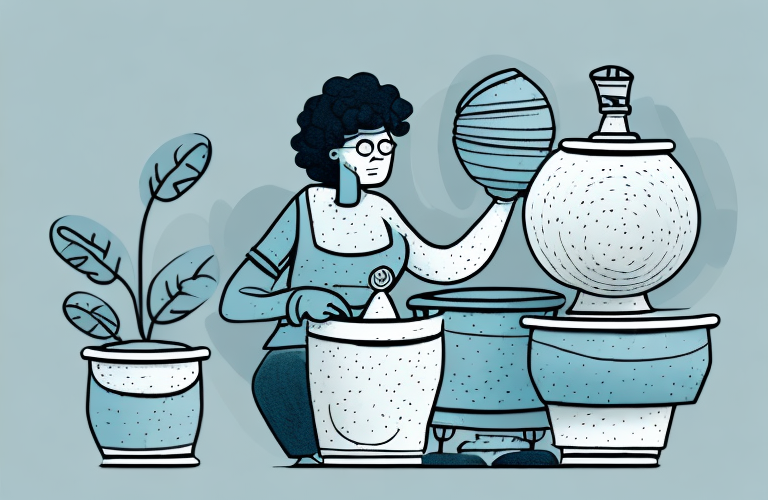
Pottery is an ancient art form that has been passed down and kept alive across the centuries. Working with clay is extremely rewarding, and many people enjoy the freedom to create one-of-a-kind pieces through hand-building or using a pottery wheel.When beginning your pottery journey, it’s important to understand the tools and materials needed to get started.
Types of Materials Used by Potters
Clay is the main material used in pottery, and there are several varieties to choose from. Coarser clays, such as earthenware, are typically used for more rustic pieces, and can be painted or glazed. Porcelain is a finer type of clay, and is denser than earthenware. It’s often used for more delicate pieces and requires special tools, such as a needle tool, to create detailed designs. Other materials that are used in pottery include slip, or liquid clay, and glazes.
Tools and Equipment Needed for Clay Work
Potters need a variety of tools to create their pieces. The most essential tool is a pottery wheel, which is used to shape the clay into functional items such as mugs, vases, and bowls. In addition to a pottery wheel, you will likely need other tools such as a Needle Tool, to add detail to your work; a Wire Cutter; and a Spatula for smoothing the surfaces of your projects. These tools help to create intricate designs, precisely cut edges, and achieve a smooth, even finish on the finished product.
How to Choose the Right Clay for Your Projects
Your choice of clay should be based on the type of project you are creating. For example, if you’re making purely decorative pieces, you may wish to work with a type of clay such as loam or paper clay, which can be dried and fired in an oven. If you’re looking to create functional items such as plates or mugs, then you may wish to select a stoneware clay that can be fired in a kiln. The type of clay chosen affects the characteristics of the final product, so it’s important to choose the right one for the project.
The Process of Shaping and Decorating Pottery
Once you have chosen the right type of clay, you begin the process of shaping and decorating your pottery. Depending on the type of project you are undertaking, there are several methods of forming pieces. Hand-building is the most common method, involving shaping pieces by hand with informed strokes of a tool called a rib. For complex pieces, potters often turn to the use of a pottery wheel. This technique requires precise movements and an appreciation for physics in order for pieces to become symmetrical and properly shaped.
The next step of the process is decorating your pottery piece. This involves adding texture, color, or interesting designs to make each piece unique. Many potters achieve this through slip-casting, which essentially involves creating small models out of liquid clay (slip) and then pressing it into the main piece to make impressions or patterns.
Glazing Techniques Used in Pottery
Glazing is the final stage of pottery-making and involves adding a waterproof coating to protect the clay from weathering and daily use. There are different glazing techniques used by potters such as painting, dipping and spraying. Painting involves applying a brush full of glaze onto pieces while dipping involves submerging pieces in a container full of glaze solution. Spraying glaze involves using an airbrush to apply multiple layers of glaze until desired results are achieved.
Benefits of Working with Clay
Creating pottery can bring a variety of physical and mental benefits to the Potter. Working with clay helps to reduce stress and anxiety levels due to its natural calming effect. It can also help to improve creativity by allowing you to express yourself and use your imagination while working with your hands. The process of creating pottery also entails an element of mindfulness that can help foster patience and focus.
Popular Pottery Projects and Ideas
Potters may choose to either make functional items such as mugs or plates, or purely decorative pieces like wall hangings or sculptures. The flexibility of working with clay means there is no shortage of ideas and possibilities for projects. Popular ideas include making jewelry from clay beads or proving artful decorations for plants. Many potters also find joy in creating multicolored bowls or intricately patterned vases.
Where to Buy Supplies for Pottery
Finding supplies for your pottery project can be challenging but there are multiple options for doing so. You can purchase clay from your local ware supplier or online from companies that specialize in selling supplies for potters. For tools, some hardware stores also carry basic equipment such as rolling pins or plaster bats.
Safety Tips When Working with Clay
Working with clay is not without dangers, and there are some important safety measures to consider when working with this material. Long sleeves and protective goggles should be worn when throwing or working with clay on a wheel to protect yourself against flying particles. It’s important to make sure your workshop is well ventilated and that you wear a dust mask while working with dry clay.
When firing your pottery pieces in a kiln, it’s important to check the firing instructions on the clay carefully. Pottery that is not fired correctly may crack or lose color due to improper heat distribution. Additionally, it’s safety practice to burn off any excess lint or glue before firing your work.
Pottery is an enjoyable and rewarding experience for many individuals. With these tips in mind, you should have a better understanding of the tools, supplies and processes involved when working with clay. With some practice and patience, you too can start creating beautiful pots and sculptures in no time!